Pastinaca, Genus, spp., Multiple species,
- Genus
- Multiple species
parsnip
Overview
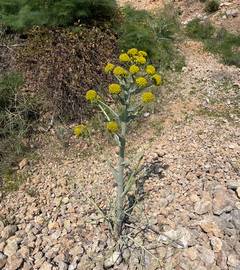
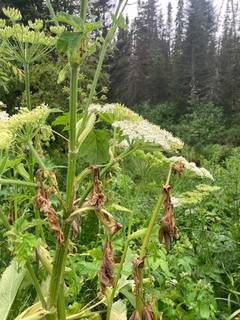
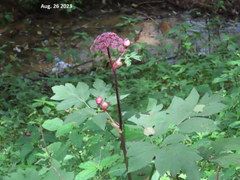
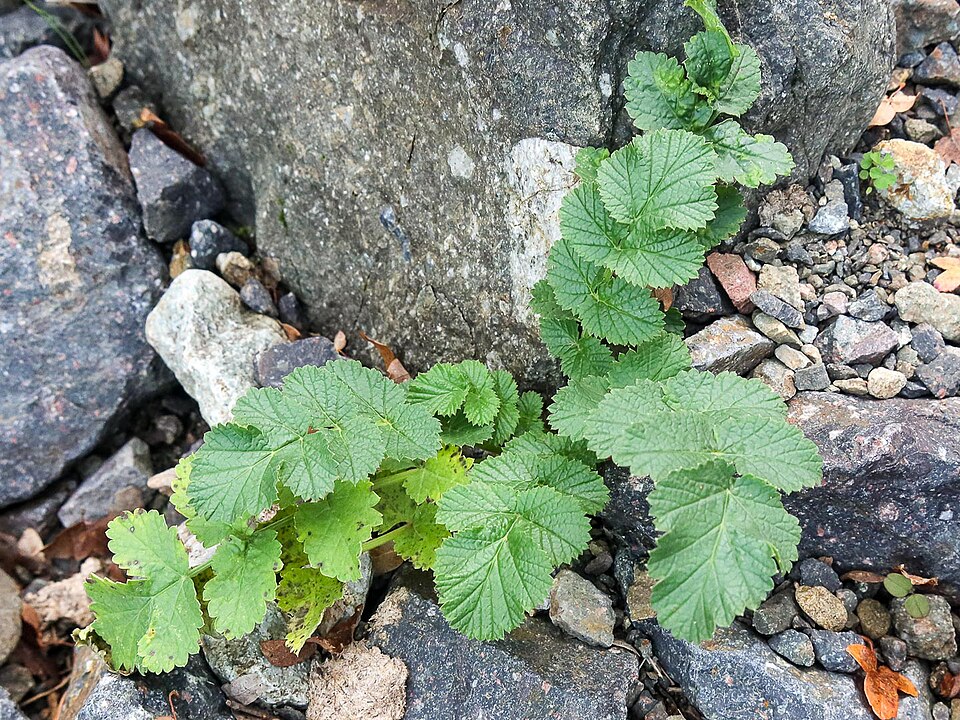
Pastinaca is a genus of about 14 biennial and perennial herbs in the carrot family (Apiaceae), native to Europe and Asia. The most familiar species, Pastinaca sativa, is the parsnip, grown for its sweet, starchy taproot and also widespread as a roadside weed. In the first year, plants form a low rosette of pinnate, coarsely toothed leaves above a thick, fleshy, pale taproot; in the second year a grooved, hollow flowering stem rises 2-5 ft (0.6-1.5 m), branching into flat-topped compound umbels of small yellow flowers. The flowers give way to flat, winged, aromatic seeds. The sap contains furanocoumarins that, combined with sunlight, cause phytophotodermatitis, a blistering skin reaction that leaves lingering brown stains. Plants self-seed heavily, and wild parsnip is classed as a noxious weed in parts of North America. Roots accumulate more sugar after autumn frost.
Native Range
Pastinaca is native to temperate Europe and western and central Asia, growing in grasslands, meadows, roadsides, and disturbed ground on calcareous soils. P. sativa has naturalized widely across North America, where it spreads along roadsides, fields, and waste places.Suggested Uses
Pastinaca is grown chiefly as P. sativa for its edible autumn and winter root in vegetable gardens and allotments. Seeds are sown in rows and thinned to 4-6 in (10-15 cm) apart. The yellow summer umbels also draw beneficial insects to the kitchen garden.How to Identify
Appearance
Size & Dimensions
Height2' - 5'
Width/Spread1' - 1'6"
Bloom Information
Flowering occurs in the second year, from early to midsummer, generally June to August. Flat-topped umbels of tiny yellow flowers draw many small insects. Seeds ripen in late summer, after which the plant dies, completing its biennial cycle.
Detailed Descriptions
Foliage Description
GreenGrowing Conditions
Sun Requirements
Requires 6-10 hours of direct sunlight daily
• Full Sun: 6+ hours of direct sunlight
• Partial Shade: 3-6 hours of direct sunlight
• Full Shade: Less than 3 hours of direct sunlight
Care & Maintenance
Care Guide
Pastinaca grows in full sun in deep, loose, stone-free soil with a pH of 6.0-7.0, which lets the taproot develop straight and unforked. As a hardy biennial, parsnip is direct-sown in spring for roots lifted from autumn into winter across USDA zones 3-9. Seed germinates slowly and erratically and stays viable for only about a year. Even moisture prevents the roots from splitting, while fresh manure and stony ground cause forking. The sap can blister skin exposed to sunlight, so contact with cut foliage and stems is a hazard in bright weather. Few pests trouble the crop beyond carrot fly and canker.Pruning
Pastinaca is not pruned as a root crop. Spent or bolting plants are pulled before seed sets to limit self-sowing. In the wild, taking off flower heads before seed ripens reduces spread.Container Growing
Suitable for container growing
Minimum container size: 5 gallons