Image 1 of 4
1 / 4
Plant Reference
Hacquetia, Genus, epipactis, Species,
- Genus & species
hacqetia
Central and southeastern Europe — the Alps, Carpathians, Balkans, and Apennines; moist deciduous forests and shaded limestone slopes
Overview
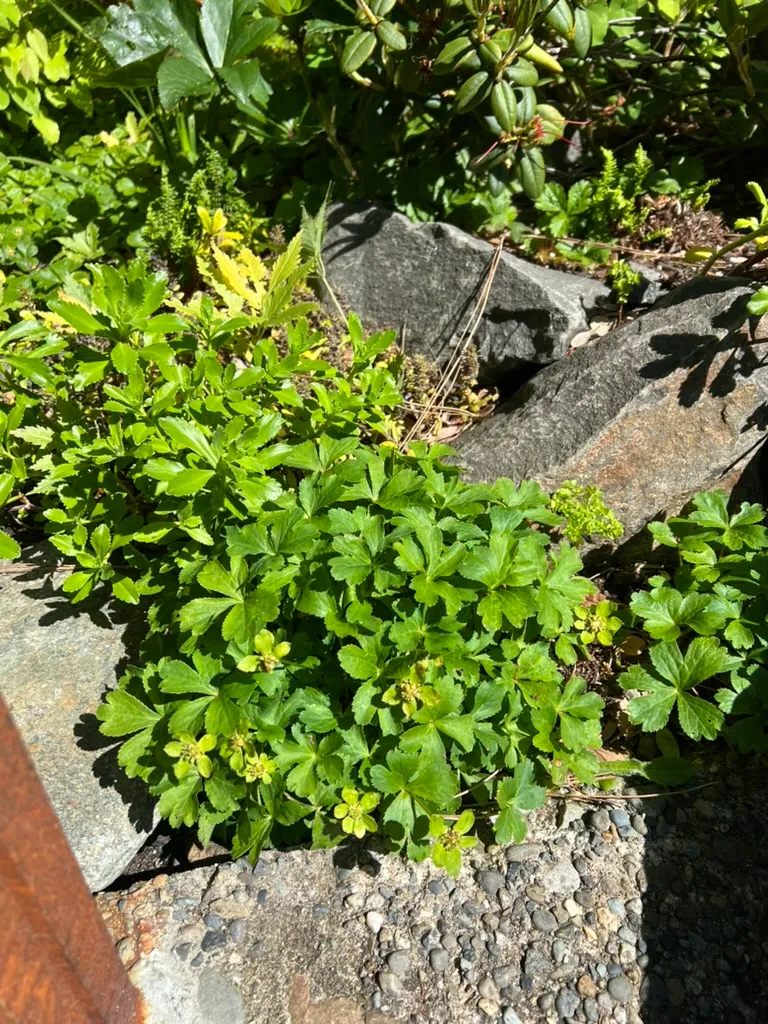
Hacquetia epipactis is hacquetia, a small clumping deciduous perennial growing 6-10 inches (15-25 cm) tall and 8-12 inches (20-30 cm) wide. Tiny yellow florets in a tight central cluster surrounded by bright lime-green petal-like bracts 1-1.5 inches (2.5-4 cm) from January through April (8 weeks). The bracts create the color — the true flowers are the tiny yellow florets at the center. Glossy mid-green palmately 3-lobed toothed leaves 2-4 inches (5-10 cm) emerge after or with the flowers. In Apiaceae. A monotypic genus — H. epipactis is the only species. Named for Belsazar Hacquet. Native to central and southeastern Europe in moist deciduous forests and shaded limestone slopes. Very slow to establish — 3-5 years to form a small clump from a single division. This extremely slow growth rate is the primary limitation. Not drought-tolerant — requires consistently moist shade. The lime-green bracts persist for weeks after the central florets finish, providing a long display period. The cultivar 'Thor' has cream-variegated leaf margins. Deer-resistant. Non-toxic. Zones 5-9. Part shade to full shade. Growth rate is very slow.
Native Range
Native to central and southeastern Europe — the Alps, Carpathians, Balkans, and Apennines. Found in moist deciduous forests and shaded limestone slopes.Suggested Uses
Grown in woodland gardens, shade rock gardens, and in containers of at least 3 gallons (11 L), spaced 8-12 inches (20-30 cm). Very early bloom (January-April). Lime-green bracts. Extremely slow-growing. Non-toxic. Zones 5-9.How to Identify
Appearance
Size & Dimensions
Height6" - 10"
Width/Spread8" - 1'
Bloom Information
Detailed Descriptions
Flower Description
Tiny yellow florets in a tight central cluster surrounded by bright lime-green petal-like bracts 1-1.5 inches (2.5-4 cm) across — the bracts create the color display, not the tiny true flowersFoliage Description
Glossy mid-green, palmately 3-lobed with toothed margins, 2-4 inches (5-10 cm) across; the leaves emerge after or with the flowers and expand through spring and summerGrowing Conditions
Sun Requirements
Requires 1-4 hours of direct sunlight daily
• Full Sun: 6+ hours of direct sunlight
• Partial Shade: 3-6 hours of direct sunlight
• Full Shade: Less than 3 hours of direct sunlight
Care & Maintenance
Care Guide
Part shade to full shade (1-4 hours). Moist humus-rich soil pH 5.5-7.5 (tolerates limestone). Not drought-tolerant. Very slow to establish (3-5 years). Do not disturb. Remove dead foliage in late fall (November-December). Deer-resistant. Non-toxic. Zones 5-9.Pruning
Remove dead foliage in late fall (November-December). No other pruning needed. Do not divide or disturb until well-established (5+ years).Pruning Schedule
Prune: November–December
fall
Container Growing
Suitable for container growing
Minimum container size: 3 gallons