Angelica, Genus, gigas, Species,
- Genus & species
Korean angelica
Overview
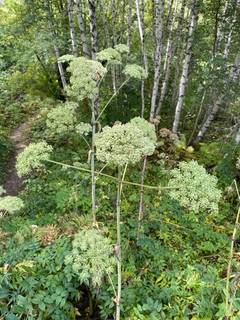
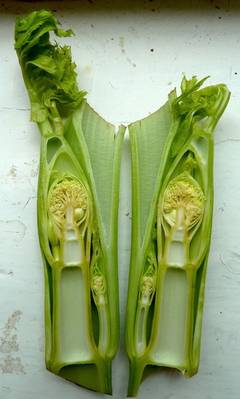
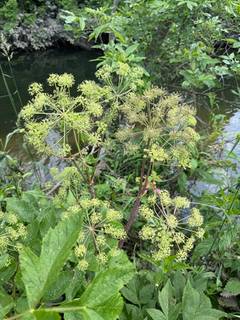
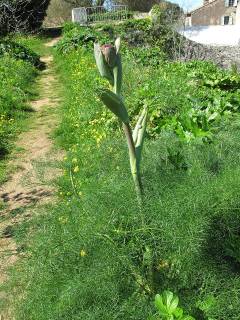
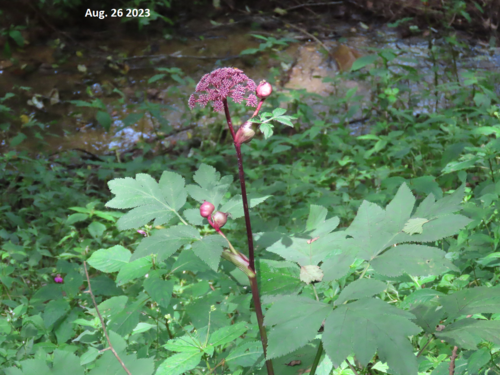
Angelica gigas is a monocarpic perennial (dies after flowering) reaching 48–72 inches (120–180 cm) tall and 36–48 inches (90–120 cm) wide at peak flowering. Plants form a basal rosette of large, compound bipinnate to tripinnate leaves in the first year. Individual leaves are 12–24 inches (30–60 cm) long, with dark green blades on stems and petioles often flushed reddish-purple. In the second or third year, stout, hollow, purple-flushed flowering stems emerge bearing compound umbels 4–8 inches (10–20 cm) across. Flowers are deep reddish-purple to burgundy — an unexpected color in the Apiaceae, where white, greenish-white, or yellow predominate. Bloom occurs July through September. Inflorescences emerge from inflated, balloon-like bracts (spathe-like sheaths) that split open as the umbel expands. Plants die after flowering and setting seed; persistence depends on self-seeding, which is prolific in moist, open soils. Seedlings take 2–3 years to reach flowering size. All parts release a celery-like fragrance when bruised. Sap contains furanocoumarins, which cause phytophotodermatitis — skin contact with cut sap, followed by sunlight exposure, produces skin burns lasting days to weeks.
Native Range
Native to Korea, northern China, and Japan, occurring in moist mountain meadows, forest clearings, and stream margins at 1,500–6,000 feet (450–1,800 m) elevation. The dried root is used in traditional Korean and Chinese medicine.Suggested Uses
Planted in mixed borders, cottage-style gardens, and naturalistic plantings at 24–36 inch (60–90 cm) spacing. Self-seeding colonies produce a rotating display over successive years. Late-season bloom fills a gap when few other large-scale perennials are in flower. Not suited to dry soils, formal plantings requiring predictable annual performance, or high-traffic locations where phytophotodermatitis from sap contact is a concern.How to Identify
Appearance
Size & Dimensions
Height4' - 6'
Width/Spread3' - 4'
Bloom Information
Flowers July through September in zones 4–8. Individual umbels last 2–3 weeks; successive heads extend the total bloom to 4 weeks. Bloom occurs in the second or third year from seed; plants then die after setting seed.
Detailed Descriptions
Flower Description
deep reddish-purple to burgundyFoliage Description
dark green, compound, bipinnate to tripinnate with toothed leafletsGrowing Conditions
Sun Requirements
Requires 4-8 hours of direct sunlight daily
• Full Sun: 6+ hours of direct sunlight
• Partial Shade: 3-6 hours of direct sunlight
• Full Shade: Less than 3 hours of direct sunlight
Care & Maintenance
Care Guide
Plant in moist, humus-rich soil with a pH of 5.5–7.0 in full sun to partial shade. Afternoon shade reduces heat stress in zones 7–8. Plants require consistent moisture and wilt rapidly when the soil dries. Allowing some flower heads to set seed maintains a persistent self-sown colony; staggering plantings by sowing fresh seed annually produces flowering plants every year, since the species is monocarpic. Sap contains furanocoumarins that cause phytophotodermatitis on sunlit skin after contact. Aphids cluster on developing flower buds and stems in early summer.Pruning
Remove spent flowering stems in early spring (March) after seeds have dropped. First-year rosettes require no pruning. Plants die after flowering and do not regrow from the same crown; new plants arise from self-sown seedlings.Pruning Schedule
Prune: March
early spring