Angelica, Genus, spp., Multiple species,
- Genus
- Multiple species
angelicas
Temperate and subarctic Europe, Asia, and North America
Overview
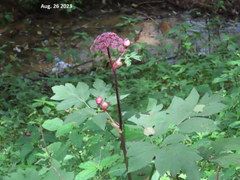
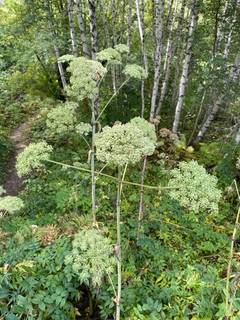
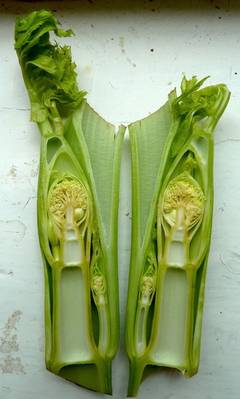
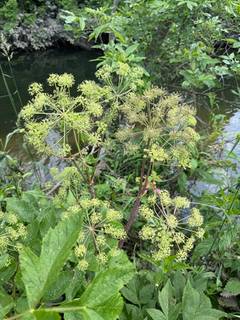
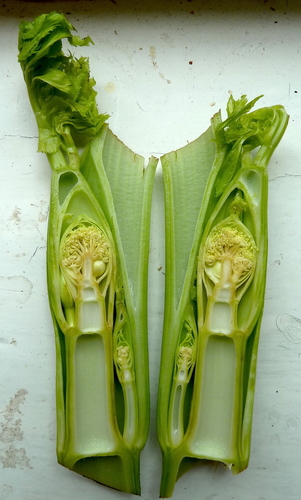
Angelica is a genus of about 60 to 100 stout biennial and perennial herbs in the carrot family (Apiaceae), native to the cooler parts of the Northern Hemisphere. Plants form a large clump of bold, divided leaves in the first years, then send up hollow, ribbed flowering stems 2-8 ft (0.6-2.4 m) tall, often tinged purple. The compound leaves are two to three times divided into broad, toothed leaflets, and the stems carry large, rounded or dome-shaped compound umbels of many small flowers in white, greenish-white, or, in A. gigas, deep red-purple. Flat winged seeds follow. Most species are monocarpic, flowering once after two or more years and then dying, while leaving seedlings behind. A. archangelica is grown for its aromatic, candied stems and as an ornamental, and A. gigas for its dark flower heads. The foliage and roots are aromatic. Several species resemble poison hemlock, and the sap can make skin sensitive to sunlight in some people.
Native Range
Angelica is native across temperate and subarctic Europe, Asia, and North America, growing in damp meadows, streambanks, woodland clearings, and mountain slopes. A. archangelica comes from northern and eastern Europe, A. gigas from Korea and nearby Asia, and A. atropurpurea from eastern North America. The genus favors cool, moist, partly shaded ground.Suggested Uses
Grown in damp borders, bog and streamside plantings, herb gardens, and wild or pollinator gardens, where the tall stems and large umbels give bold structure. A. archangelica is grown for candied stems and flavoring, and the flowers feed many beneficial insects. Spaced 18-36 in (45-90 cm) apart in moist, rich ground.How to Identify
Appearance
Size & Dimensions
Height2' - 8'
Width/Spread2' - 4'
Bloom Information
Angelica flowers in summer, generally June to August, in the year the plant matures, which is usually its second or a later year. The domed umbels open over several weeks and draw large numbers of bees, wasps, flies, and beetles. After flowering, monocarpic plants set seed and die.
Detailed Descriptions
Flower Description
White, greenish-white, to deep red-purpleFoliage Description
Green, stems often purple-tingedGrowing Conditions
Sun Requirements
Requires 4-8 hours of direct sunlight daily
• Full Sun: 6+ hours of direct sunlight
• Partial Shade: 3-6 hours of direct sunlight
• Full Shade: Less than 3 hours of direct sunlight