Angelica, Genus, archangelica, Species,
- Genus & species
garden angelica
Northern and eastern Europe to Russia; Iceland and Greenland
Overview
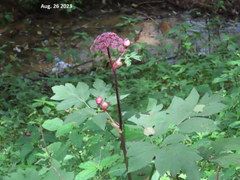
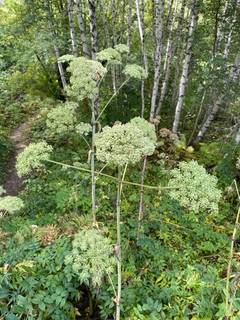
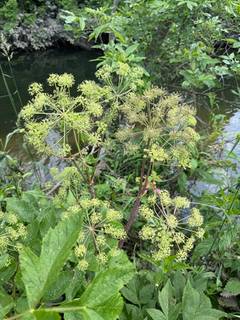
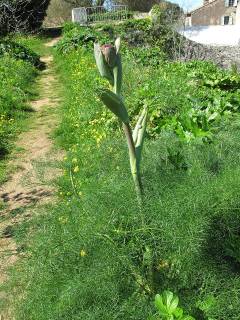
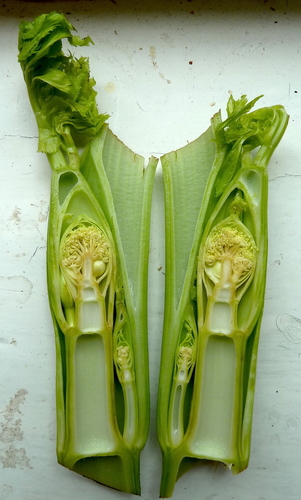
Angelica archangelica, garden angelica, is a stout, aromatic biennial or short-lived monocarpic herb in the carrot family (Apiaceae). In its first year it forms a rosette of large, divided leaves; in the second it sends up a hollow, ridged, often purple-flushed stem 39-98 inches (1-2.5 m) tall before flowering and dying. The bright green leaves are two to three times pinnately divided into broad, toothed leaflets, with the stalk bases swollen into conspicuous inflated sheaths that clasp the stem. Large rounded compound umbels 4-10 inches (10-25 cm) across carry many tiny greenish-white to cream flowers in early to mid summer, followed by pale, oblong, winged fruits. The whole plant is strongly aromatic, and the stems, leaf stalks, and seeds have long been used in cooking and flavouring, including candied stems and as a flavouring for liqueurs. All parts contain furanocoumarins, and contact between the sap and skin followed by sunlight can cause reddening and blistering in sensitive people. It grows in damp, fertile ground and dies after setting seed, though removing the flower stalks can carry the plant over for another year.
Native Range
Angelica archangelica is native to northern and eastern Europe, from Iceland, Greenland, and Scandinavia across to Russia and the Himalayas, growing wild in damp meadows, riverbanks, and mountain ravines. It has naturalised in parts of temperate North America and Britain.Suggested Uses
Grown in herb gardens, damp borders, and wildlife or pollinator plantings as a tall structural accent, spaced about 24-36 inches (60-90 cm) apart. The stems and leaf stalks are candied and the aromatic seeds and roots flavour liqueurs and confectionery.How to Identify
Appearance
Size & Dimensions
Height3'3" - 8'2"
Width/Spread2' - 4'
Bloom Information
Flowering occurs in the second year, in early to mid summer (June to August), when the plant produces its large compound umbels of small greenish-white flowers. The blooms draw many bees, hoverflies, and other insects to their open nectar. Seed ripens by late summer, after which the plant normally dies. Cutting the developing flower heads early can prevent seeding and occasionally lets the root survive for a further season.
Detailed Descriptions
Flower Description
greenish-white to creamFoliage Description
bright greenGrowing Conditions
Sun Requirements
Requires 4-8 hours of direct sunlight daily
• Full Sun: 6+ hours of direct sunlight
• Partial Shade: 3-6 hours of direct sunlight
• Full Shade: Less than 3 hours of direct sunlight