Oenanthe, Genus, sarmentosa, Species,
- Genus & species
Water parsley
British Columbia south through Washington and Oregon to California; marshes, swamps, pond margins, wet ditches, and slow-moving streams
Overview
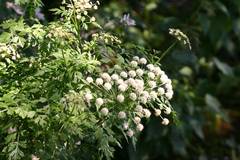
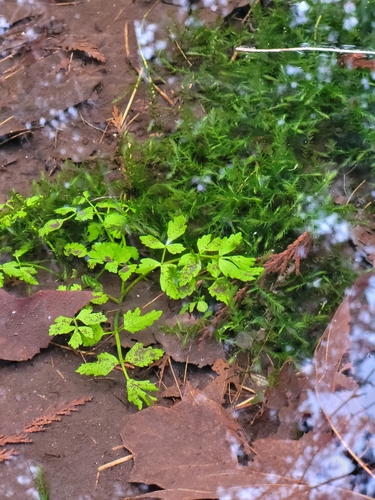
Oenanthe sarmentosa is a low trailing semi-aquatic deciduous perennial reaching 1-3 feet (30-90 cm) tall and 2-4 feet (60-120 cm) wide. Sprawling or floating stems often tinged purple are hollow and root at the nodes wherever they contact wet soil or shallow water (sarmentosa = producing runners). Pinnately to bipinnately compound leaves bear ovate toothed leaflets 0.5-2 inches (13-50 mm) long. Small white five-petaled flowers gather in compound umbels 1.5-3 inches (4-7.5 cm) wide from June through August over 8 weeks — the typical Apiaceae structure. Native to North America from British Columbia south through Washington and Oregon to California. Found in marshes, swamps, pond margins, wet ditches, and along slow-moving streams as an obligate wetland specialist. The genus Oenanthe (water dropworts and water parsleys) ranks with the more dangerous genera in the Apiaceae: plants contain oenanthotoxin and other convulsant polyacetylenes that cause violent convulsions, respiratory failure, and death in humans, livestock, and pets even at small doses. All parts are toxic, with roots especially dangerous. The European species O. crocata (hemlock water dropwort) has been responsible for fatal poisonings when its tuberous roots were mistaken for parsnips or wild carrots. Foliage turns yellow in fall. Hardy in USDA zones 5-9.
Native Range
Native to North America from British Columbia south through Washington and Oregon to California. Found in marshes, swamps, pond margins, wet ditches, and along slow-moving streams. An obligate wetland specialist.Suggested Uses
Used in naturalistic wetland restoration plantings, pond margins, and educational native plant collections, spaced 2-4 feet (60-120 cm). Toxicity of all parts (roots especially dangerous) is relevant where plantings are sited near food gardens, livestock, pets, or children. Restricted to wet conditions; fails in conventional well-drained soil.How to Identify
Appearance
Size & Dimensions
Height1' - 3'
Width/Spread2' - 4'
Bloom Information
Small white five-petaled flowers in compound umbels 1.5-3 inches (4-7.5 cm) appear from June through August over 8 weeks — the typical Apiaceae structure. Bee-pollinated. Bloom timing varies with site moisture; populations in saturated substrate flower for the full 8 weeks while plants in drying margins may bloom only 4-5 weeks.
Detailed Descriptions
Flower Description
White, small five-petaled flowers in compound umbels 1.5-3 inches (4-7.5 cm) — the typical Apiaceae structure; June-August. The genus Oenanthe contains oenanthotoxin and convulsant polyacetylenes; all plant parts are toxic, with the roots being especially dangerous. Ingestion causes violent convulsions and death in humans, livestock, and pets.Foliage Description
Medium green; pinnately to bipinnately compound with ovate toothed leaflets 0.5-2 inches (13-50 mm); the stems are hollow, often purplish-tinged, sprawling or floating, and root at the nodes in wet soil — sarmentosa = producing runners; turns yellow in fallGrowing Conditions
Sun Requirements
Requires 2-8 hours of direct sunlight daily
• Full Sun: 6+ hours of direct sunlight
• Partial Shade: 3-6 hours of direct sunlight
• Full Shade: Less than 3 hours of direct sunlight
Care & Maintenance
Care Guide
Grows in part sun to full sun with 2-8 hours direct light. Requires consistently wet substrate at pH 5.5-7.5 — clay, silt, or peat — and standing or saturated water at the root zone. Hardy in USDA zones 5-9. The species ranks with the more dangerous members of the Apiaceae: all parts contain oenanthotoxin and convulsant polyacetylenes, with roots especially dangerous. Ingestion causes violent convulsions, respiratory failure, and death in humans, livestock, and pets. Foliage is rarely browsed by deer.Pruning
No regular pruning required. Cut back any winter-damaged stems in February or March before new growth emerges.Pruning Schedule
Prune: February–March
early spring