Paeonia, Genus, 'Krinkled White', Cultivar,
- Genus
- Cultivar
Krinkled white peony
Cultivar of garden origin; garden peonies derive from {Paeonia lactiflora}, native to China, Mongolia, and Siberia; {Paeonia 'Krinkled White'} was bred by Brand in 1928 and is the most famous single white peony, named for the crinkled petal texture that is the cultivar signature
Overview
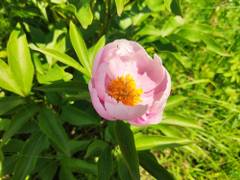
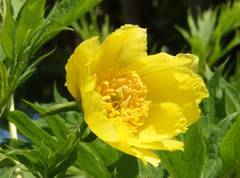
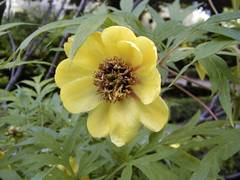
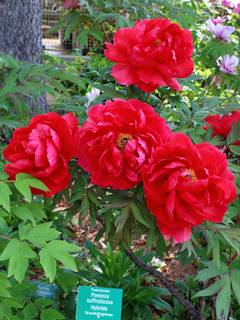
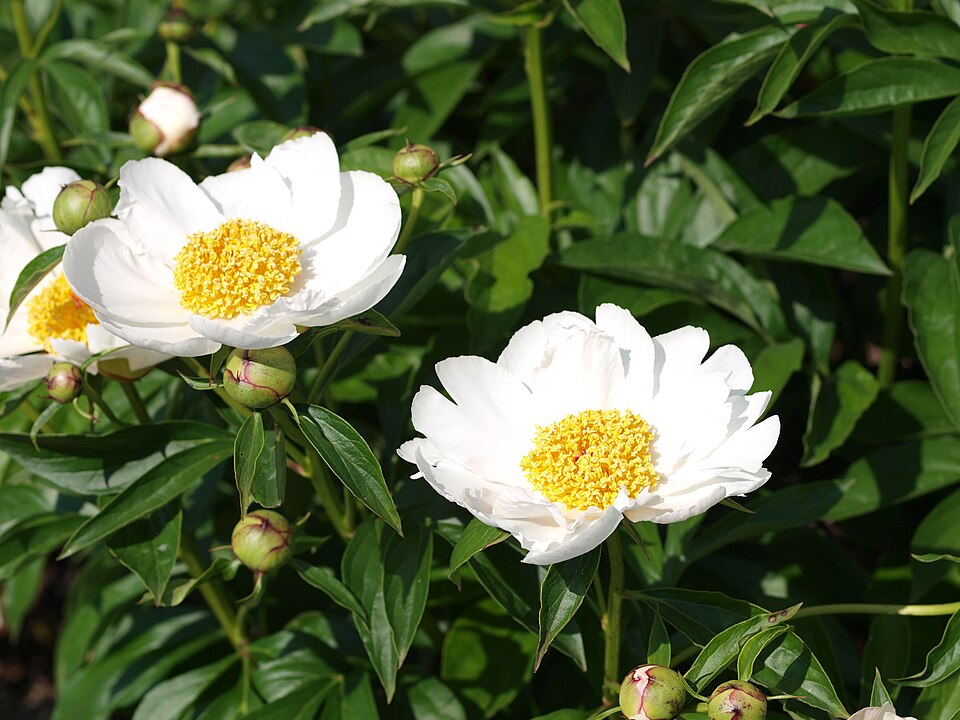
Paeonia 'Krinkled White' is a single-flowered herbaceous peony bred by Brand in 1928, growing 28-34 inches (70-85 cm) tall and wide. Large pure white single flowers 5-6 inches (13-15 cm) across have a single ring of broad, distinctly crinkled (krinkled) petals surrounding a prominent golden stamen center. The single form is the simplest peony flower type — one ring of petals with a fully visible stamen center — and Paeonia 'Krinkled White' is the most famous single white. The crinkled petal texture adds visual interest and a handmade textured quality that smooth-petaled singles lack. The visible golden stamen center gives pollinators easy access, making single peonies more pollinator-friendly than full doubles that bury the stamens. The single form is also the lightest in weight, so the stems are fully self-supporting — no peony ring is needed. This no-staking quality places Paeonia 'Krinkled White' among the more practical peonies. Early bloom timing — 1-2 weeks before most lactiflora doubles. A light sweet fragrance. Dark green glossy compound foliage. Same care as all herbaceous peonies. Can live 50+ years. Mildly toxic.
Native Range
Garden peonies derive from Paeonia lactiflora. Paeonia 'Krinkled White' was bred by Brand, 1928.Suggested Uses
Used in perennial borders, naturalistic plantings, and cottage gardens. The single form suits gardeners who prefer simple elegance over double opulence. The self-supporting habit and early bloom extend the peony season. More pollinator-friendly than doubles. The crinkled texture adds character.How to Identify
Appearance
Size & Dimensions
Height2'4" - 2'10"
Width/Spread2'4" - 2'10"
Colors
Bloom Information
Flowering in May to early June, approximately 2 weeks. Early bloom — before most doubles. Self-supporting single flowers with crinkled white petals and golden centers.
Detailed Descriptions
Flower Description
Large pure white single flowers 5-6 inches (13-15 cm) across with a single ring of broad, distinctly crinkled (krinkled) petals surrounding a prominent golden stamen centerFoliage Description
Dark green deeply divided glossy compound foliage forms a substantial mound through summerGrowing Conditions
Sun Requirements
Requires 5-8 hours of direct sunlight daily
• Full Sun: 6+ hours of direct sunlight
• Partial Shade: 3-6 hours of direct sunlight
• Full Shade: Less than 3 hours of direct sunlight
Care & Maintenance
Care Guide
Plant in full sun to partial shade. Well-drained humus-rich soil. Eyes no more than 2 inches (5 cm) deep. No staking needed — the lightweight single form is self-supporting. Remove spent heads. Leave foliage until frost. Mildly toxic.Pruning
Remove spent flower heads. Cut all stems to ground level in late October-November.Pruning Schedule
Prune: October–November
fall