Osmanthus, Genus, fragrans, Species,
- Genus & species
sweet osmanthus
China and Southeast Asia — the 'fragrans' means 'fragrant'; cultivated in China for 2,500+ years; the city flower of Hangzhou
Overview
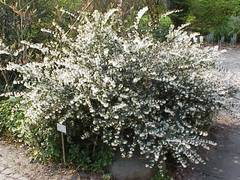
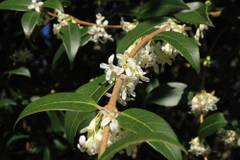
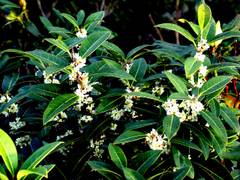
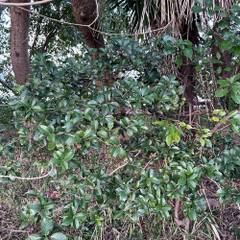
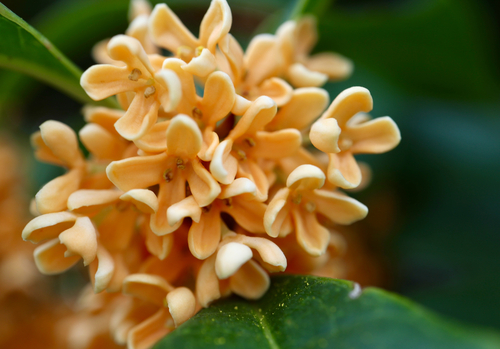
Osmanthus fragrans is sweet osmanthus (tea olive), growing 120–240 inches (300–600 cm) tall and 72–120 inches (180–300 cm) wide. Tiny white to cream flowers 0.25 inch (6 mm) across in axillary clusters in fall — the flowers are inconspicuous visually but produce a strong sweet fragrance with apricot-peach notes that carries on the air. The species name 'fragrans' means 'fragrant.' Cultivated in China for over 2,500 years — designated the city flower of Hangzhou. The flowers are edible and form the basis of osmanthus tea (桂花茶, guìhuā chá) in Chinese culture, as well as osmanthus-flavored pastries, jellies, and rice wine. The orange-flowered variety (var. aurantiacus) has a more concentrated fragrance than the white-flowered type. Evergreen glossy dark green leaves 2–5 inches (5–13 cm) long. Deer-resistant. Non-toxic. Zones 7–10 (some damage below 10°F / −12°C). Native to the Himalayas, China, and Japan. Growth rate is moderate to slow — 6–12 inches (15–30 cm) per year. The dense evergreen form can be maintained as a hedge with annual pruning. Blooms on old wood — prune after flowering if needed. Prefers acidic to neutral soil (pH 5.5–7.0). Scale insects are the primary pest.
Native Range
Osmanthus fragrans is native to China and Southeast Asia. Cultivated for 2,500+ years.Suggested Uses
Grown as a specimen, hedge, or screen in zones 7–10, spaced 48–72 inches (120–180 cm) apart for hedging. Position near doorways, windows, patios, and walkways where the fall fragrance is noticeable. Containers of 10–15 gallons (40–60 liters) for patio use. Deer-resistant. Non-toxic.How to Identify
Appearance
Size & Dimensions
Height10' - 20'
Width/Spread6' - 12'
Colors
Bloom Information
Fall (September–November depending on zone). Tiny flowers in axillary clusters. The orange-flowered variety (var. aurantiacus) has a more concentrated fragrance. Blooms on old wood.
Detailed Descriptions
Flower Description
Tiny white to cream (or orange in var. aurantiacus), INTENSELY FRAGRANT — one of the most intoxicating fragrances in the plant worldFoliage Description
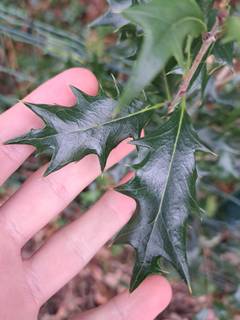
Dark green, glossy, leathery, finely serrated, evergreenGrowing Conditions
Sun Requirements
Requires 4-8 hours of direct sunlight daily
• Full Sun: 6+ hours of direct sunlight
• Partial Shade: 3-6 hours of direct sunlight
• Full Shade: Less than 3 hours of direct sunlight
Care & Maintenance
Care Guide
Full sun to partial shade. Acidic to neutral soil pH 5.5–7.0. Moderate watering — avoid waterlogged conditions. Blooms on old wood — prune after fall flowering if shape is needed. Deer-resistant. Non-toxic. Edible flowers. Zones 7–10.Pruning
Prune after fall flowering if shape control is needed. Blooms on old wood — pruning at other times removes flower buds. Maintains a dense form with annual light trimming. Can be maintained as a formal hedge.Pruning Schedule
Prune: February–March
late winter
Container Growing
Suitable for container growing
Minimum container size: 15 gallons