Osmanthus, Genus, spp., Multiple species,
- Genus
- Multiple species
sweet olives
Eastern Asia, Pacific islands, and southeastern United States
Overview
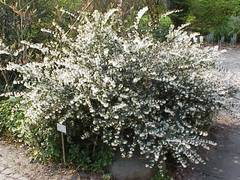
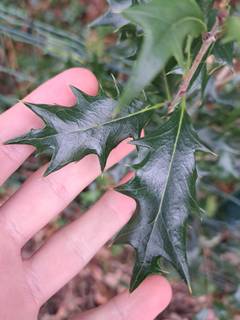
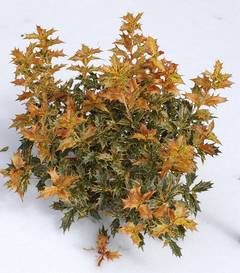
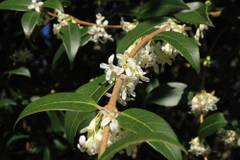
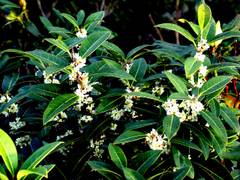
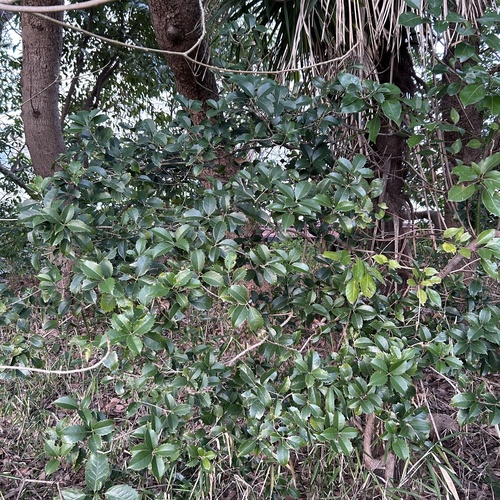
Osmanthus is a genus of evergreen shrubs and small trees in the olive family (Oleaceae), with about thirty species native to eastern Asia, the Pacific, and the southern United States. Plants reach 2–12 m (6–40 ft) tall, with leathery, opposite leaves 3–12 cm (1.2–5 in) long that are smooth-edged or spiny-toothed and resemble holly on some species. Small four-lobed tubular flowers, 4–10 mm (0.2–0.4 in) across, are clustered in the leaf axils and range from white to cream, yellow, or orange. Their scent is strong and carries widely, often compared to apricot, even though the individual flowers are small and partly hidden among the foliage. Many species flower in autumn, and some, such as O. fragrans, bloom in repeated flushes from autumn into spring. Bluish-black fruits follow on pollinated plants. Osmanthus grows in full sun to part shade on moist, well-drained soil and tolerates pruning, shade, and coastal conditions, but the broadleaf evergreen foliage is damaged by hard freezes below about -12 °C (10 °F). Growth is slow to moderate, and dense branching makes the genus suited to clipped hedges.
Native Range
Osmanthus species are native to eastern and southeastern Asia, especially China, Japan, and the Himalayas, with outliers in the Pacific islands and one species, O. americanus, in the southeastern United States. They grow as understorey and woodland-edge plants in warm-temperate to subtropical forests.Suggested Uses
Grown as fragrant evergreen hedges, screens, and foundation plantings, and clipped as specimens near doors, paths, and seating. Used in courtyards and containers where the autumn scent carries. Suited to mild-winter gardens rather than cold inland sites.How to Identify
Appearance
Size & Dimensions
Height6' - 40'
Width/Spread6' - 20'
Bloom Information
Most Osmanthus flower in autumn, generally September to November, with O. fragrans repeating in flushes from autumn through spring in mild climates. Each flush lasts one to three weeks and fills the surrounding air with scent. Spring-flowering species such as O. delavayi bloom from March to April.
Detailed Descriptions
Flower Description
white to orangeFoliage Description
dark greenGrowing Conditions
Sun Requirements
Requires 4-8 hours of direct sunlight daily
• Full Sun: 6+ hours of direct sunlight
• Partial Shade: 3-6 hours of direct sunlight
• Full Shade: Less than 3 hours of direct sunlight
Care & Maintenance
Care Guide
Grow Osmanthus in full sun to part shade on moist, fertile, well-drained soil. It tolerates a pH range of about 5.5 to 7.5, drought once established, coastal exposure, and regular clipping. Foliage scorches in cold drying winds, and the broadleaf evergreen leaves are injured by hard frost below about -12 °C (10 °F). Most species are hardy in USDA zones 7 to 10, with O. heterophyllus hardy to the coldest part of that range. Water young plants through dry spells until the root system is established. Feed lightly in spring to support dense growth.Pruning
Osmanthus tolerates hard pruning and shearing and regrows from old wood. Trim hedges after the main flush of bloom, in late spring to early summer, to preserve the next round of flowers. Remove dead or crossing branches at the same time. Slow regrowth means shaping cuts hold their form for months.Pruning Schedule
Prune: May–June
late springsummer
Container Growing
Suitable for container growing
Minimum container size: 7 gallons