Image 1 of 4
1 / 4
Plant Reference
Osmanthus, Genus, heterophyllus, Species,
- Genus & species
holly-leaved osmanthus
Japan (Honshu, Shikoku, Kyushu) and Taiwan; mountain forests and thickets
Overview
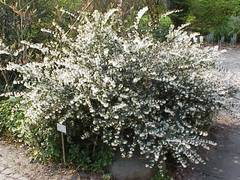
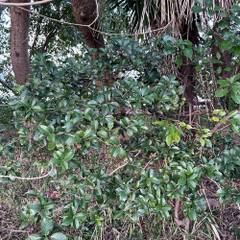
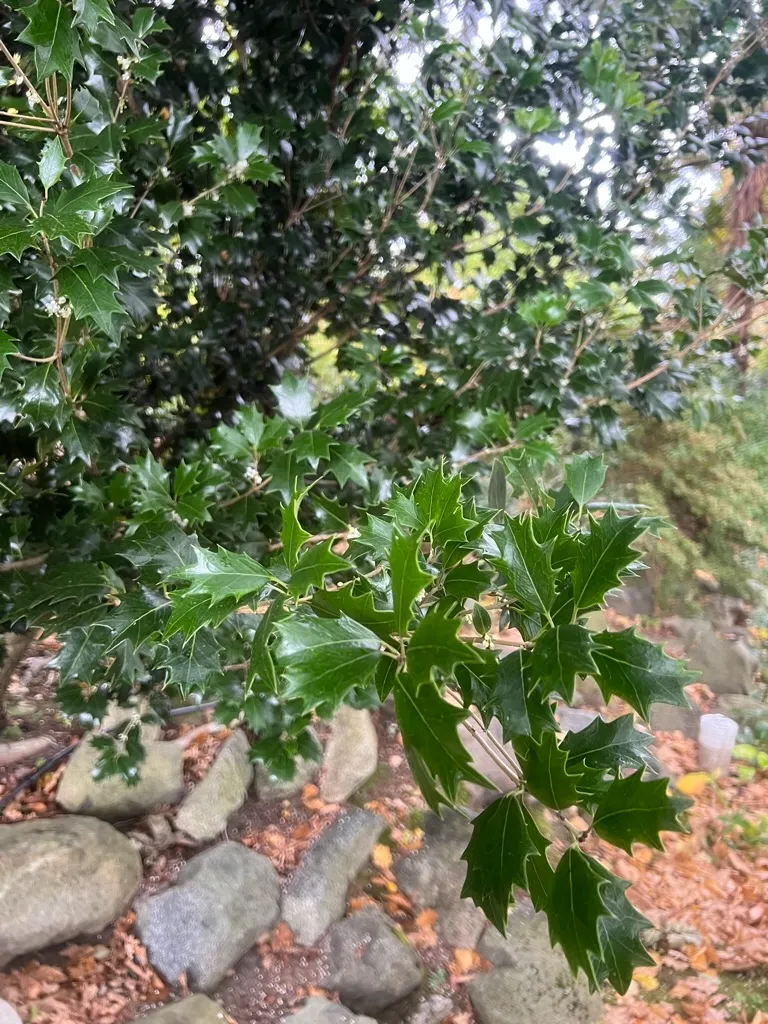
Osmanthus heterophyllus is holly-leaved osmanthus (holly tea olive), an upright evergreen shrub growing 8-15 feet (2.4-4.5 m) tall and 6-12 feet (1.8-3.6 m) wide. Tiny white tubular 4-lobed flowers 0.2 inch (5 mm) in axillary clusters in October-November (3 weeks). Strongly fragrant (sweet, apricot-like). Glossy dark green leathery leaves 1.5-2.5 inches (4-6 cm); dimorphic — spiny holly-like margins on lower/juvenile leaves, smooth margins on upper/mature leaves. In Oleaceae. Heterophyllus = different leaves. A holly lookalike — distinguished from Ilex by opposite leaf arrangement (Ilex = alternate). Native to Japan and Taiwan. The fall fragrance fills a season when few shrubs bloom. Slow-growing — 8-12 years to mature size. This slow growth is the primary limitation. Tolerates formal hedging. Drought-tolerant once established. Deer-resistant. Non-toxic. Zones 6-9. Part sun to full sun or full shade. Growth rate is slow.
Native Range
Native to Japan (Honshu, Shikoku, Kyushu) and Taiwan. Found in mountain forests and thickets.Suggested Uses
Grown as an evergreen hedge, screen, foundation planting, or holly substitute, and in containers of at least 10 gallons (38 L), spaced 6-12 feet (1.8-3.6 m). Fall fragrance. Holly lookalike. Formal hedging. Non-toxic. Zones 6-9.How to Identify
Appearance
Size & Dimensions
Height8' - 15'
Width/Spread6' - 12'
Bloom Information
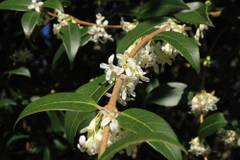
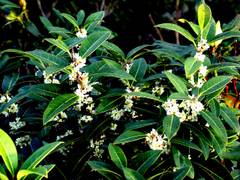
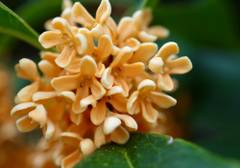
Fall (October-November). White tubular 4-lobed flowers 0.2 inch (5 mm) in axillary clusters of 3-7. Strongly fragrant (sweet, apricot-like). 3 weeks. Bee-visited. Blue-black drupes follow in spring.
Detailed Descriptions
Flower Description
White, tiny, tubular, 0.2 inch (5 mm), 4-lobed, in axillary clusters of 3-7; October-November; strongly fragrant (sweet, apricot-like — among the most intensely fragrant of any fall-flowering shrub); followed by blue-black drupes 0.5 inch (1.3 cm) in springFoliage Description
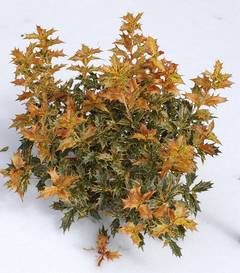
Glossy dark green, ovate, 1.5-2.5 inches (4-6 cm), leathery; dimorphic — lower and juvenile leaves have spiny holly-like margins (heterophyllus = different leaves); upper and mature leaves are smooth-margined (entire); the dimorphic leaf trait is shared with Ilex aquifolium (English holly) but the opposite leaf arrangement distinguishes Osmanthus (opposite) from Ilex (alternate)Growing Conditions
Sun Requirements
Requires 2-8 hours of direct sunlight daily
• Full Sun: 6+ hours of direct sunlight
• Partial Shade: 3-6 hours of direct sunlight
• Full Shade: Less than 3 hours of direct sunlight
Care & Maintenance
Care Guide
Part sun to full sun or full shade (2-8 hours). Well-drained soil pH 5.5-7.5. Drought-tolerant once established. Slow-growing (8-12 years to mature). Tolerates formal hedging. Prune in early spring (February-March). Fall-fragrant. Non-toxic. Deer-resistant. Zones 6-9.Pruning
Prune in early spring (February-March) to shape. Tolerates formal hedging and repeated shearing. The slow growth rate means infrequent pruning is needed in most settings.Pruning Schedule
Prune: February–March
early spring
Container Growing
Suitable for container growing
Minimum container size: 10 gallons