Oenothera, Genus, tetragona, Species,
- Genus & species
sundrops
Overview
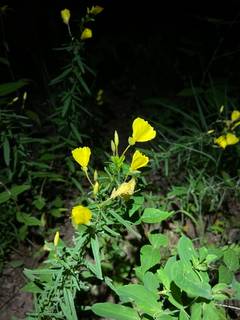
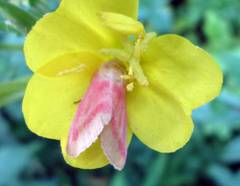
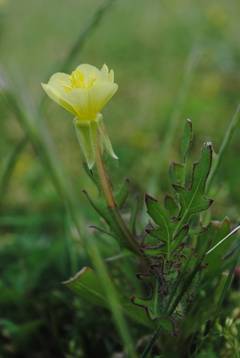
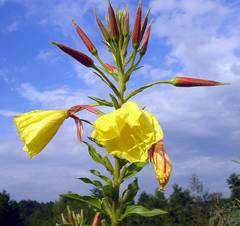
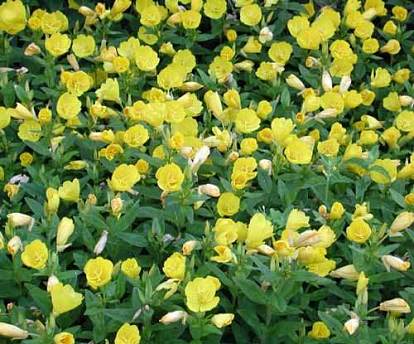
Oenothera tetragona, also treated as Oenothera fruticosa ssp. glauca, is a clump-forming herbaceous perennial in the evening primrose family, growing 12-24 inches (30-60 cm) tall. Unlike the night-opening evening primroses, its flowers open by day. Upright reddish stems carry lance-shaped green leaves 1.5-3 inches (4-7.5 cm) long, and the basal rosette often turns red-bronze in cool weather. From June through August, cup-shaped yellow flowers 1.5-2 inches (4-5 cm) across open at the stem tips from red-tinged buds. Each flower lasts a day or two, with a succession over several weeks. The plant spreads by short rhizomes and surface offsets to form a colony 18-24 inches (45-60 cm) wide and can crowd smaller neighbors as the clump widens. Foliage dies back to a basal rosette in winter.
Native Range
Native to eastern North America, from the eastern United States into adjacent Canada. Grows in open woods, meadows, prairies, and roadsides on well-drained soils in full sun.Suggested Uses
Planted in sunny borders, gravel gardens, wildflower meadows, and as edging at 12-18 inch (30-45 cm) spacing. Used in naturalistic and prairie-style plantings. The spreading habit can overtake smaller plants in mixed borders.How to Identify
Appearance
Size & Dimensions
Height1' - 2'
Width/Spread1'6" - 2'
Bloom Information
Flowers from June through August, with each flower lasting one to two days and the overall display continuing 4-6 weeks. Flowers open in daylight rather than at dusk. Bloom is heaviest in full sun.
Detailed Descriptions
Foliage Description
Green, reddening in cool weatherGrowing Conditions
Sun Requirements
Requires 6-12 hours of direct sunlight daily
• Full Sun: 6+ hours of direct sunlight
• Partial Shade: 3-6 hours of direct sunlight
• Full Shade: Less than 3 hours of direct sunlight
Care & Maintenance
Care Guide
Grows in full sun in average, well-drained soil and tolerates poor, dry, and sandy ground. Performs poorly in rich, moist, or shaded sites, where stems grow soft and flop. Water during establishment in dry spells; established plants tolerate drought. Spreads by rhizomes and offsets to form a colony that can crowd smaller plants. Powdery mildew develops on crowded foliage in humid conditions. Foliage dies back to a red-tinged basal rosette over winter.Pruning
Cut spent flowering stems back after bloom to limit self-seeding and tidy the clump. Remove dead stems at the base in late autumn or early spring. Lift and divide the clump every 2-3 years to control its spread.Pruning Schedule
Prune: March & August
summerearly spring
Container Growing
Suitable for container growing
Minimum container size: 2 gallons