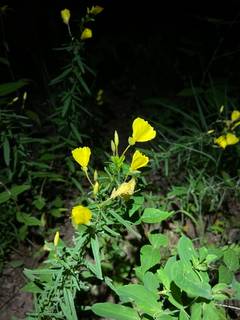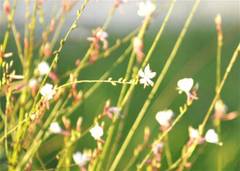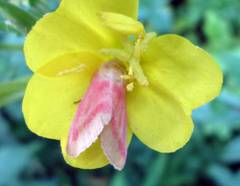
Oenothera, Genus, cespitosa, Species,
- Genus & species
fragrant evening primrose
Overview
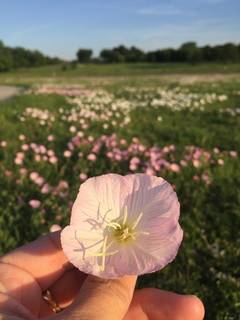
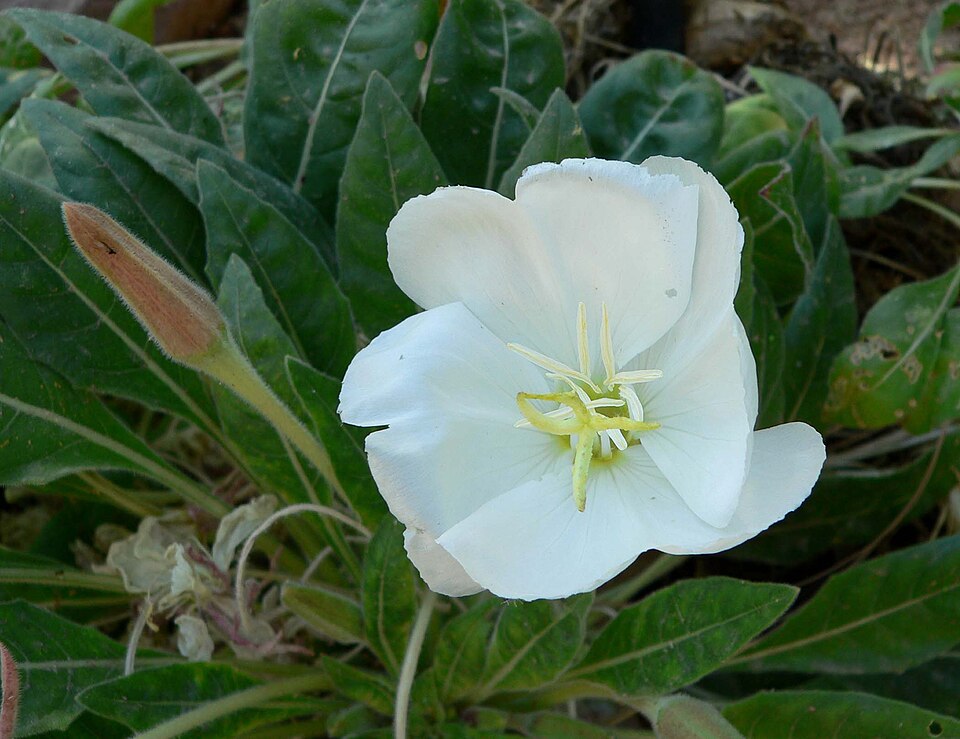
Oenothera cespitosa is a low, nearly stemless perennial in the evening primrose family, native to dry, open country across western North America. Plants form a basal tuft of gray-green, lance-shaped leaves 2-6 inches (5-15 cm) long, often with wavy or toothed margins. From spring into summer, large white flowers open at dusk, each 2-4 inches (5-10 cm) wide with four broad petals and a long floral tube that rises from the rosette nearly at ground level. The flowers release a sweet scent and are pollinated by night-flying hawkmoths; by the next afternoon they fade to pink and wilt. Bloom continues over many weeks as new buds open each evening. The species grows in full sun on sandy, gravelly, and rocky soils, including dry clay and alkaline ground, and withstands heat and drought once established. It needs sharp drainage and rots in heavy, wet soil. Foliage forms a flat rosette that persists in mild winters. Tufted evening primrose is short-lived but self-sows where the soil stays open.
Native Range
Native to western North America, from the Great Plains and Rocky Mountains west to California and north into Canada, south to northern Mexico. It grows in deserts, dry grasslands, rocky slopes, and roadsides.Suggested Uses
Grown in rock gardens, gravel gardens, xeriscapes, and dry native plantings. Spaced 12-18 inches (30-45 cm) apart, plants form low rosettes that flower at ground level. Used along paths and walls where the evening fragrance is noticed.How to Identify
Appearance
Size & Dimensions
Height4" - 10"
Width/Spread8" - 1'6"
Bloom Information
Detailed Descriptions
Flower Description
Large white four-petaled flowers aging to pinkFoliage Description
Gray-green, lance-shaped, in a basal rosetteGrowing Conditions
Sun Requirements
Requires 6-12 hours of direct sunlight daily
• Full Sun: 6+ hours of direct sunlight
• Partial Shade: 3-6 hours of direct sunlight
• Full Shade: Less than 3 hours of direct sunlight
Care & Maintenance
Care Guide
Grows in full sun on sandy, gravelly, or rocky soil with sharp drainage, including dry, alkaline ground. Water sparingly; established plants are drought-tolerant and rot in heavy, wet soil. No fertilizer is needed, and rich soil shortens the plant's life. Remove faded flowers and seed capsules to extend bloom and limit self-seeding. The basal rosette persists over mild winters and resprouts in spring. Plants are short-lived but renew from self-sown seedlings where the ground stays open.Pruning
Remove spent flowers and developing seed capsules to prolong bloom and reduce self-seeding. Cut back tattered foliage in autumn. No other pruning is required.Pruning Schedule
Prune: September
fall
Container Growing
Suitable for container growing
Minimum container size: 1 gallons