Odontonema, Genus, spp., Multiple species,
- Genus
- Multiple species
Firespike
Overview
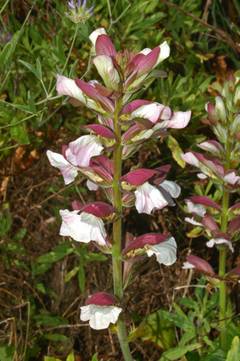
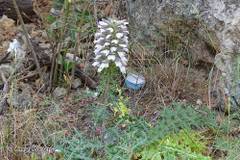
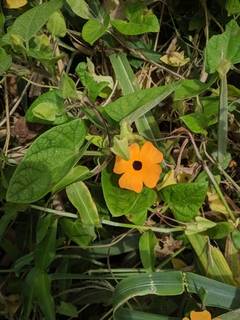
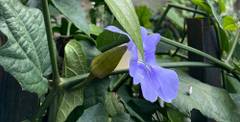
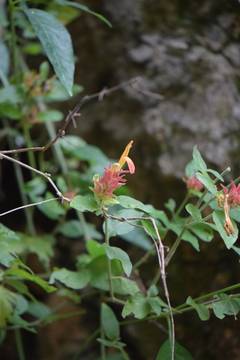
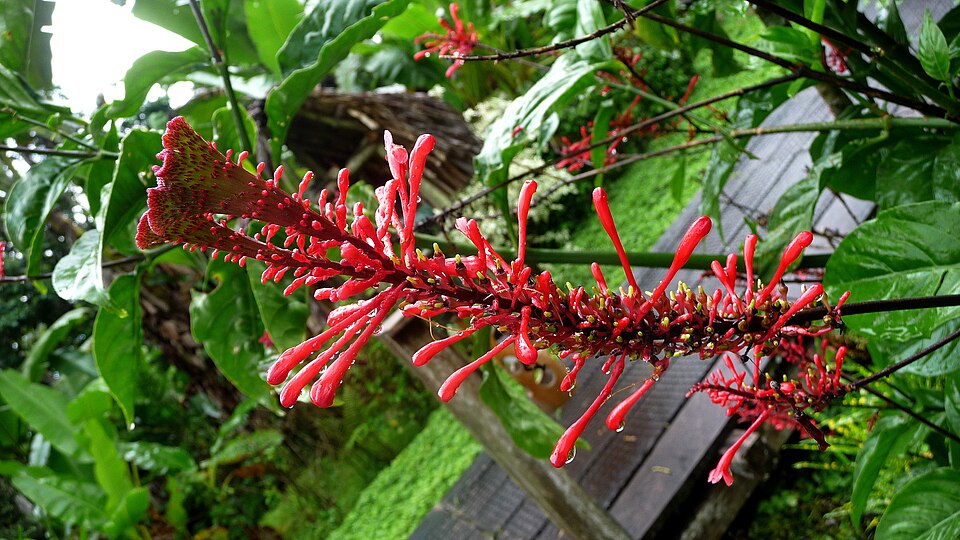
Odontonema is a genus of roughly 25 to 30 species of evergreen shrubs and subshrubs in the family Acanthaceae, native to tropical regions of the Americas from Mexico through Central America to northern South America and the Caribbean. Plants reach 2-10 ft (0.6-3 m) tall depending on species, with erect, branching stems that become woody toward the base. The leaves are opposite, ovate to lance-shaped, 4-8 in (10-20 cm) long, with smooth margins and a glossy dark green surface. Flowering occurs in terminal panicles or spikes 8-14 in (20-35 cm) long, carrying many slender tubular flowers. Flower color is most often red, as in O. cuspidatum, though some species produce pink, purple, or white blooms. The tubular form and saturated color draw hummingbirds and butterflies. Most species flower from late summer into winter in frost-free climates. Odontonema grows only in frost-free conditions and is damaged or killed by temperatures below about 28F (-2C), which limits year-round outdoor cultivation to USDA zones 9-11. In cooler regions it is grown in containers and moved indoors, or treated as a warm-season annual. Several species spread by suckering and form dense clumps over time.
Native Range
Native to the tropical Americas, Odontonema ranges from Mexico and the Caribbean through Central America to Colombia, Venezuela, and Brazil. Species grow in moist forest understories, forest edges, and disturbed clearings at low to middle elevations.Suggested Uses
Odontonema is grown as a flowering shrub in tropical and subtropical gardens, in mixed borders, and as an informal hedge. The red-flowered species are planted in hummingbird and pollinator plantings. In temperate regions it is grown as a container plant and overwintered indoors.How to Identify
Appearance
Size & Dimensions
Height2' - 10'
Width/Spread2' - 5'
Bloom Information
Most Odontonema species flower from late summer through winter in frost-free climates, with O. cuspidatum flowering heavily from October to February. Individual spikes open over several weeks, the tubular flowers opening from the base of the spike upward. Where plants are grown under glass in cooler regions, bloom timing shifts toward the warmest months.
Detailed Descriptions
Flower Description
most often red, with pink, purple, or white in some speciesFoliage Description
dark greenGrowing Conditions
Sun Requirements
Requires 4-8 hours of direct sunlight daily
• Full Sun: 6+ hours of direct sunlight
• Partial Shade: 3-6 hours of direct sunlight
• Full Shade: Less than 3 hours of direct sunlight
Care & Maintenance
Care Guide
Grow Odontonema in full sun to partial shade in moist, fertile, well-drained soil. Plants need steady moisture during active growth and tolerate brief dry spells once established, though prolonged drought reduces flowering. Hardiness is limited to USDA zones 9-11, and temperatures below about 28F (-2C) damage stems and foliage. In zone 8 and cooler, plants are kept in containers and overwintered indoors above 50F (10C). A balanced fertilizer during the growing season supports repeat flowering. Spider mites and whiteflies can affect plants grown under glass.Pruning
Plants respond to cutting back after flowering, which maintains a compact habit and encourages branching. Stems are typically shortened by one-third to one-half in late winter or early spring before new growth begins. Removing spent flower spikes during the season lengthens the flowering period.Container Growing
Suitable for container growing
Minimum container size: 5 gallons