Image 1 of 10
1 / 10
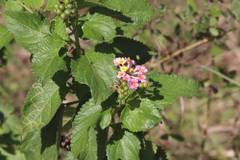
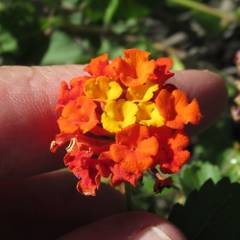
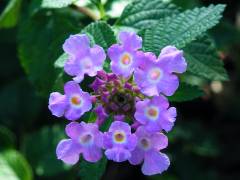
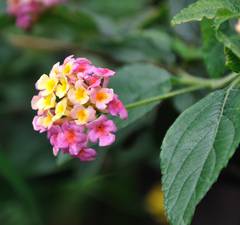
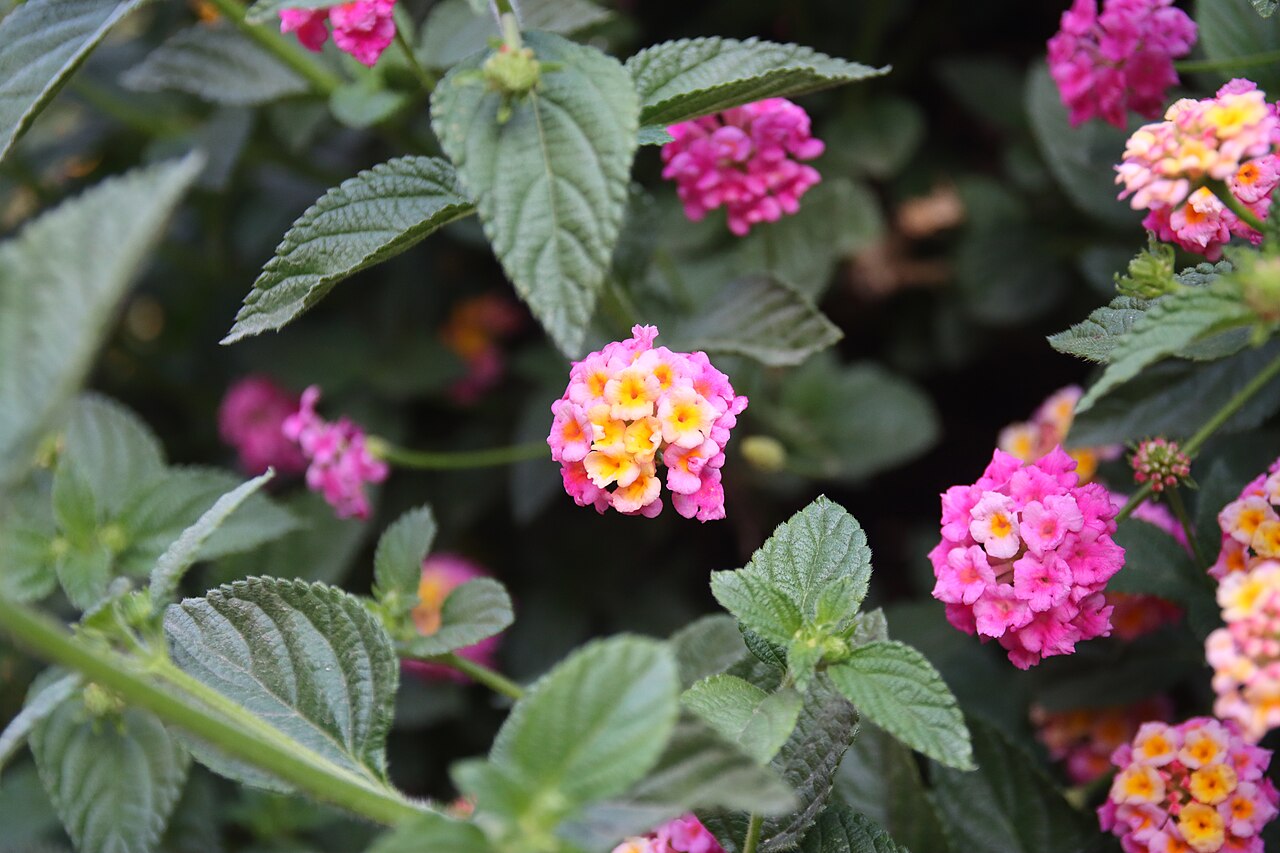
Species photo — your cultivar may vary
© Draceane, some rights reserved (CC-BY-SA) · Wikimedia Commons
Lantana, Genus, camara, Species, 'New Gold', Cultivar,
- Genus & species
- Cultivar
New Gold Lantana
West Indies, Mexico, Central America, tropical South America (species)
Overview
Lantana camara 'New Gold' is a tender evergreen sub-shrub grown as an annual or short-lived perennial, reaching 18-24 inches (45-60 cm) tall and spreading 36-48 inches (90-120 cm) wide. The habit is low and mounding to spreading, with arching stems that root along the ground in warm climates. Leaves are opposite, ovate, 1-2.5 inches (2.5-6 cm) long, mid-green with rough sandpapery texture and a pungent scent when crushed. Flat-topped flower clusters 1-2 inches (2.5-5 cm) across appear continuously from late spring through first frost; individual flowers are five-lobed, 0.25-0.5 inch (6-12 mm) across, opening clear yellow and aging to deeper gold without color shifts to orange or red. The cultivar is largely sterile, producing few or no berries, which reduces the self-seeding behavior associated with the seed-fertile species. Foliage is evergreen in zones 9-11 and damaged by frost in zones 8 and below. All parts are toxic if ingested, including unripe berries that contain triterpenoid lantadenes causing gastrointestinal and hepatic effects in humans, dogs, cats, and livestock. Plants are short-lived in container culture, typically replaced every 2-3 years.
Native Range
Lantana camara, the species, is native to the West Indies, Mexico, Central America, and tropical South America in dry scrub, coastal thickets, and disturbed open ground from sea level to 6,500 feet (2,000 m) elevation. 'New Gold' is a horticultural selection without natural distribution; it is grown worldwide in subtropical and warm-temperate climates. L. camara is regulated as invasive in Florida, Hawaii, parts of Australia, India, and Africa.Suggested Uses
Used as a low groundcover, container plant, and slope or border filler at 30-36 inch (75-90 cm) spacing in zones 8-11. Planted as an annual bedding plant in zones 3-7, where each plant covers approximately 9-12 square feet (0.8-1.1 m²) by season's end. Container plantings require pots of at least 5 gallons (19 L) with full drainage; plants in smaller containers dry out within 24 hours during summer heat.How to Identify
Appearance
Size & Dimensions
Height18–24 inches (45–60 cm)
Width/Spread36–48 inches (90–120 cm)
Height45–60 cm (18–24 inches)
Width/Spread90–120 cm (36–48 inches)
Bloom Information
Flowers from late spring through first frost in zones 8-11, typically May or June through November in southern gardens. In zones 7 and below, where the cultivar is grown as an annual, bloom begins 4-6 weeks after planting out and continues until frost in October or November. Individual flower clusters last 7-14 days; new clusters open continuously from the stem tips. Bloom is reduced or paused during temperatures above 100°F (38°C) in desert climates, resuming when nighttime temperatures fall.
Detailed Descriptions
Flower Description
clear yellow aging to deeper goldFoliage Description
mid-greenGrowing Conditions
Sun Requirements
Requires 6-12 hours of direct sunlight daily
• Full Sun: 6+ hours of direct sunlight
• Partial Shade: 3-6 hours of direct sunlight
• Full Shade: Less than 3 hours of direct sunlight
Care & Maintenance
Care Guide
Water deeply once or twice weekly during establishment in the first 6-8 weeks; established plants tolerate 2-3 weeks without rain in warm climates. Apply a balanced slow-release fertilizer at planting and once mid-season; excessive nitrogen reduces flowering and produces leggy growth. Whitefly and lantana lace bug develop in late summer in the southeastern United States, with lace bug damage producing stippled bronze foliage. Powdery mildew develops in humid conditions with poor air circulation. In zones 8-9, plants die back partially in winter and resprout from the crown in spring; replace stock every 3-4 years as plants become woody and bloom less heavily.Pruning
Cut back to 6 inches (15 cm) above ground in late winter or early spring before new growth begins; this removes frost-damaged stems and encourages dense regrowth. Light shearing of the canopy by 1-2 inches (2.5-5 cm) every 4-6 weeks during the growing season maintains a tidy mound and promotes continuous bloom. In annual culture, no winter pruning is required as plants are removed at first hard frost.Pruning Schedule
Prune: February–March
early spring
Container Growing
Suitable for container growing
Minimum container size: 5 gallons (19 liters)19 liters