Lantana, Genus, ×, Hybrid, hybrida, Species,
- Genus & species
- Hybrid
new gold lantana
Garden origin; parent species from tropical Americas
Overview
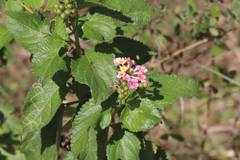
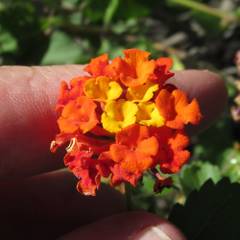
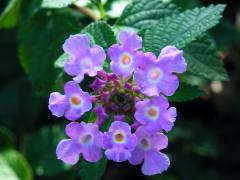
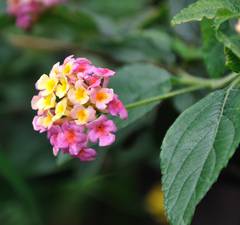
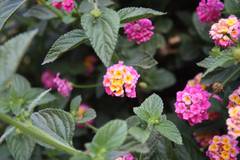
Lantana × hybrida 'New Gold' is a low, spreading evergreen shrub reaching 1–2 feet (30–60 cm) tall and 2–4 feet (60–120 cm) wide, grown as a warm-season annual where winters are cold. It is a near-sterile hybrid that produces flat-topped clusters 1–2 inches (2.5–5 cm) across of small golden-yellow flowers from late spring until frost. Because the hybrid sets little to no seed, flowering continues without the pause that follows berry set in seed-bearing lantanas. The leaves are rough-textured, deep green, 1–2 inches (2.5–5 cm) long, with toothed margins, and release a pungent scent when crushed. Stems are low and trailing, rooting where they touch moist soil, forming a dense groundcover mat. The plant tolerates heat, drought, and coastal salt once established but is damaged below about 28°F (−2°C) and killed by hard freeze. Flowering slows in cool weather and in shade. Foliage and any green berries contain triterpenoid compounds that are toxic if eaten. In frost-free regions plants persist year-round and can spread by rooting stems.
Native Range
Lantana × hybrida 'New Gold' is a cultivated hybrid of garden origin with no wild range. Its parent stock derives from Lantana species native to the American tropics and subtropics, including Central and South America. The named selection arose in cultivation and is propagated from cuttings.Suggested Uses
Used as a groundcover, in mass plantings on slopes, and as a trailing filler in containers and hanging baskets, spaced 18–24 inches (45–60 cm) apart. It is planted in butterfly and pollinator gardens and in hot, dry roadside beds. The trailing stems spill over walls and raised-bed edges.How to Identify
Appearance
Size & Dimensions
Height1' - 2'
Width/Spread2' - 4'
Bloom Information
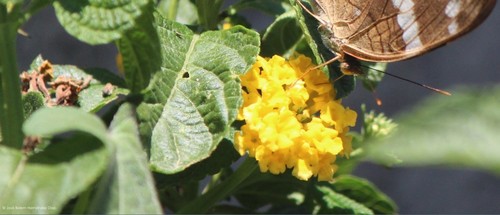
Bloom runs from late spring through fall, continuing until the first frost, and year-round in frost-free climates. Flat clusters open golden-yellow and hold their color rather than shifting through orange and red. Because the plant sets almost no seed, it flowers steadily without interruption. Butterflies and bees work the flowers throughout the season.
Detailed Descriptions
Foliage Description
deep greenGrowing Conditions
Sun Requirements
Requires 6-10 hours of direct sunlight daily
• Full Sun: 6+ hours of direct sunlight
• Partial Shade: 3-6 hours of direct sunlight
• Full Shade: Less than 3 hours of direct sunlight
Care & Maintenance
Care Guide
Full sun and well-drained soil produce the heaviest bloom, and flowering thins in shade. The plant grows in soil pH 6.0–7.5 and tolerates sandy, rocky, and lean soils. Regular water during establishment helps roots form, after which the plant is drought-tolerant and needs only occasional deep watering. Soggy soil and overhead shade encourage root rot and powdery mildew. It is hardy in USDA zones 8–11 and grown as an annual in colder zones, set out after the last frost. Light feeding supports bloom, while heavy nitrogen produces foliage at the expense of flowers.Pruning
A shearing by one-third in midsummer removes spent clusters and renews bloom on plants that have grown leggy. In frost-free regions a hard cutback in late winter, to 6–8 inches (15–20 cm), restores a compact mound. Pinching the stem tips of young plants increases branching and density.Pruning Schedule
Prune: February & July
summerwinter
Container Growing
Suitable for container growing
Minimum container size: 2 gallons