Lantana, Genus, spp., Multiple species,
- Genus
- Multiple species
lantanas
Tropical Americas and tropical Africa
Overview
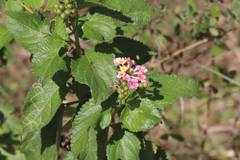
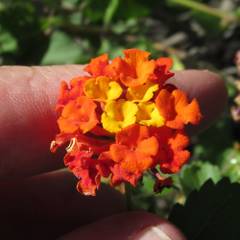
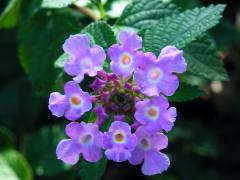
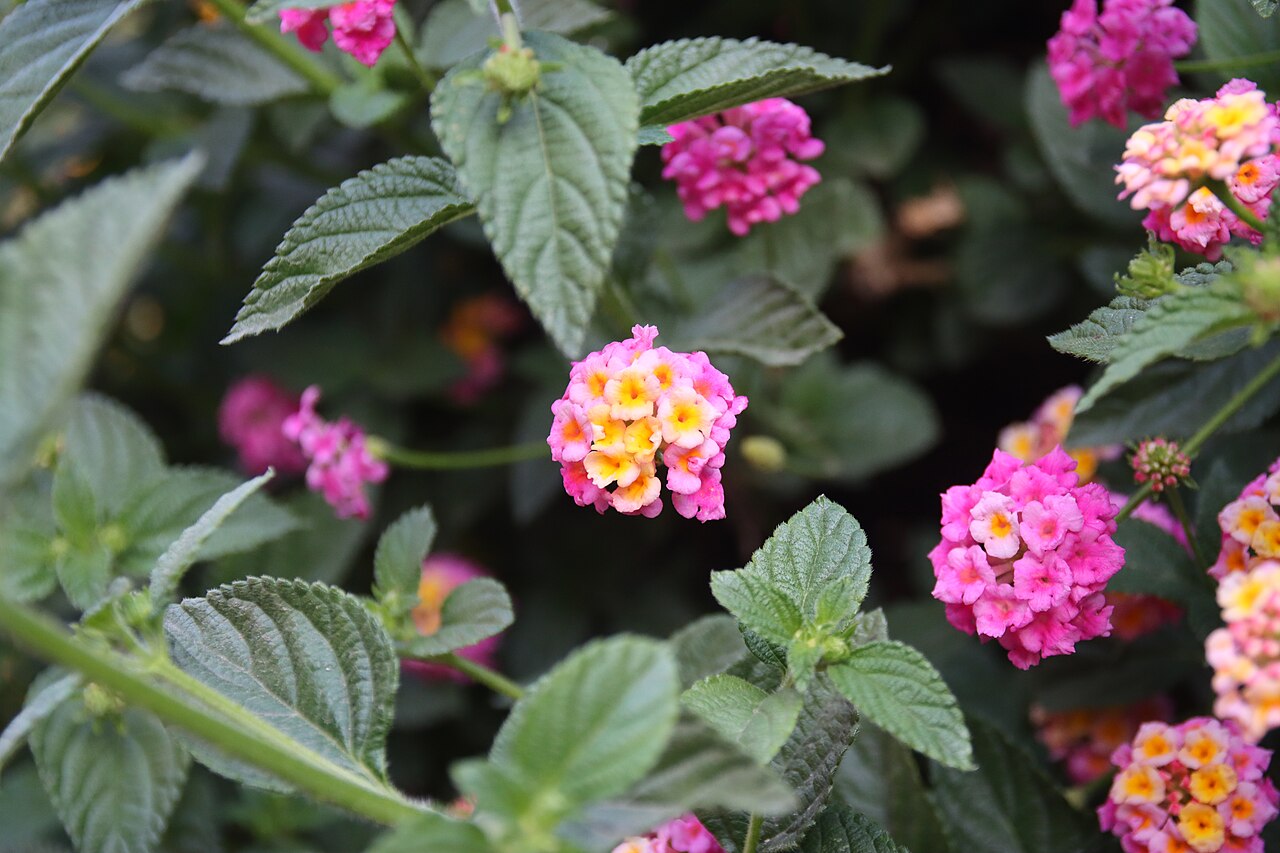
Lantana is a genus of about 150 species of aromatic, perennial shrubs and subshrubs in the verbena family, Verbenaceae, native to the tropical Americas and tropical Africa. Plants grow 1 to 6 feet (0.3 to 1.8 m) tall and wide, with square stems, rough-textured opposite leaves 1 to 5 inches (2.5 to 12 cm) long that release a pungent scent when crushed, and in some species small recurved prickles. The flowers are small and tubular, packed into dense, flat-topped clusters 1 to 2 inches (2.5 to 5 cm) across; in many species the florets change color as they age, so a single head carries yellow, orange, red, pink, white, and purple at once. Flowering continues through the warm months and nearly year-round in frost-free climates. Round berries ripen from green to blue-black. Lantana grows as an evergreen shrub in USDA zones 8 to 11 and is grown as an annual in colder regions. The unripe berries and foliage are toxic to people and livestock, and L. camara is a regulated invasive weed in many warm regions of the world.
Native Range
Native to the tropical Americas and tropical Africa, growing in open, disturbed, and coastal habitats. L. camara, the species in widest cultivation, originates in the American tropics and has naturalized across many warm regions, where it is classed as an invasive weed.Suggested Uses
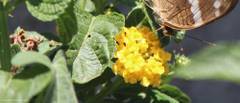
Planted in sunny borders, on slopes and banks, and as low informal hedging in warm climates, with trailing types grown in containers, hanging baskets, and as ground cover. The flowers draw butterflies through the season. Use is limited in regions where L. camara is listed as an invasive weed.How to Identify
Appearance
Size & Dimensions
Height1' - 6'
Width/Spread1' - 4'
Bloom Information
Blooms from late spring through fall in temperate climates and nearly continuously where frost is absent. New flower clusters open over many weeks, and the aging florets within each head change color. Deadheading or shearing prompts repeat flushes.
Detailed Descriptions
Flower Description
yellow, orange, red, pink, white, and purple, often changing with ageFoliage Description
greenGrowing Conditions
Sun Requirements
Requires 6-10 hours of direct sunlight daily
• Full Sun: 6+ hours of direct sunlight
• Partial Shade: 3-6 hours of direct sunlight
• Full Shade: Less than 3 hours of direct sunlight
Care & Maintenance
Care Guide
Grows in full sun with at least six hours of direct light and flowers sparsely in shade. Well-drained soil suits the genus, and established plants tolerate heat, drought, and salt spray. Overwatering and rich, wet soil reduce flowering and invite root rot. Light feeding through the season is enough, since high fertility favors foliage over bloom. Plants grow as evergreen shrubs in USDA zones 8 to 11 and are killed by hard frost, so in colder regions they are grown as annuals or container plants moved under cover. Whitefly and powdery mildew can appear on stressed plants.Pruning
Plants are cut back hard in early spring to remove frost-damaged or leggy growth and to renew the shape. Light shearing through the season after each flush keeps the plant compact and prompts more flowers. The pungent foliage and small prickles can irritate skin during the work.Pruning Schedule
Prune: March–April
early spring
Container Growing
Suitable for container growing
Minimum container size: 3 gallons