Lantana, Genus, urticoides, Species,
- Genus & species
Texas lantana
Overview
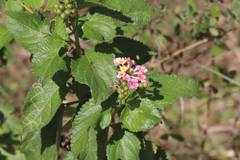
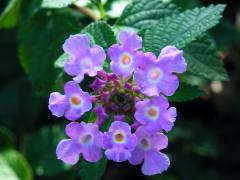
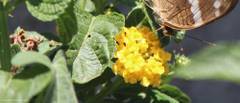
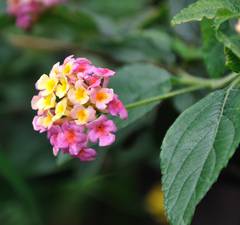
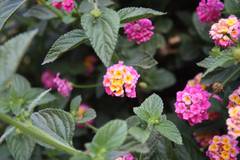
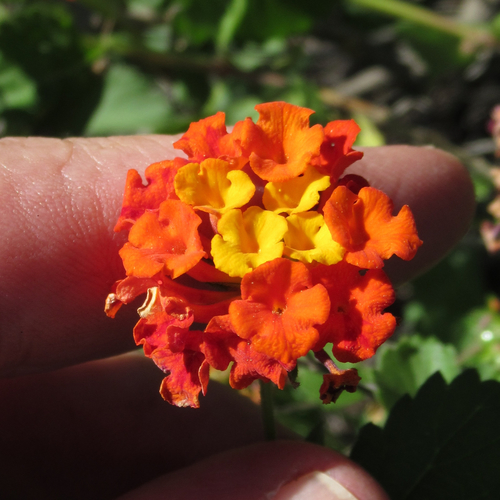
Lantana urticoides is a deciduous to semi-evergreen shrub in the verbena family, growing 2-6 ft (0.6-1.8 m) tall and as wide, with arching, sometimes prickly stems. The opposite leaves are rough, deeply veined, 1-3 in (2.5-7.5 cm) long, and release a pungent scent when crushed. From spring through fall, and year-round in frost-free areas, it bears domed clusters about 1-1.5 in (2.5-4 cm) across of small tubular flowers that open yellow to orange and age to red, so each head shows a blend of warm colors. The flowers draw butterflies and other pollinators in numbers. Small fleshy fruits ripen from green to blue-black; the unripe green fruit and foliage contain triterpenoids that are toxic to people and livestock if eaten. It grows in open woods, brushland, prairies, and disturbed sites on a range of soils, tolerating heat and drought once established. In colder areas the top dies back in winter and regrows from the base in spring. The arching habit can sprawl without occasional trimming.
Native Range
Lantana urticoides is native to the southern United States and Mexico, from Texas and the Gulf states south through eastern and central Mexico. It grows in brushland, prairies, and open woods.Suggested Uses
Used in butterfly gardens, xeriscapes, and informal native borders, spaced 3-4 ft (0.9-1.2 m) apart. Planted as a low, drought-tolerant hedge or mass in hot, sunny sites. Grown in large containers in pollinator plantings.How to Identify
Appearance
Size & Dimensions
Height2' - 6'
Width/Spread3' - 6'
Bloom Information
Domed clusters of yellow-to-red flowers appear from spring through fall, and year-round where winters are frost-free. Individual flowers open yellow and darken to orange and red with age. Butterflies, bees, and other pollinators visit steadily through the warm season.
Detailed Descriptions
Flower Description
yellow, orange, and redFoliage Description
greenGrowing Conditions
Sun Requirements
Requires 6-12 hours of direct sunlight daily
• Full Sun: 6+ hours of direct sunlight
• Partial Shade: 3-6 hours of direct sunlight
• Full Shade: Less than 3 hours of direct sunlight
Care & Maintenance
Care Guide
Grows in full sun on well-drained soils of average to low fertility and tolerates heat, drought, and poor ground once established. Soil pH from 6.0 to 7.5 is suitable. Water occasionally during establishment, while mature plants need little supplemental moisture. Shade and rich, wet soil reduce flowering and encourage soft, sprawling growth. In zones colder than its hardiness limit the top dies to the ground in winter and resprouts in spring. The green fruit and leaves are toxic if eaten, and leaf contact can irritate sensitive skin.Pruning
Cut plants back hard in late winter to remove frost-killed stems and renew the shape before spring growth. Trimming the arching stems through the season keeps the shrub compact and encourages branching and more flowers. Spent flower heads can be sheared to limit fruit set.Pruning Schedule
Prune: February
winter
Container Growing
Suitable for container growing
Minimum container size: 5 gallons