Lantana, Genus, montevidensis, Species,
- Genus & species
creeping lantana
Overview
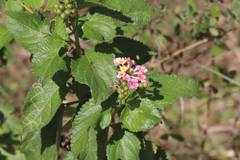
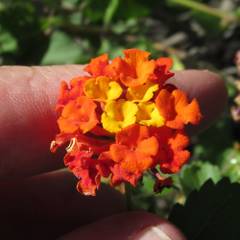
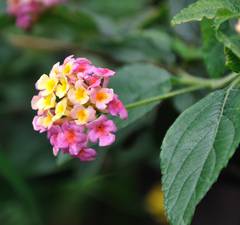
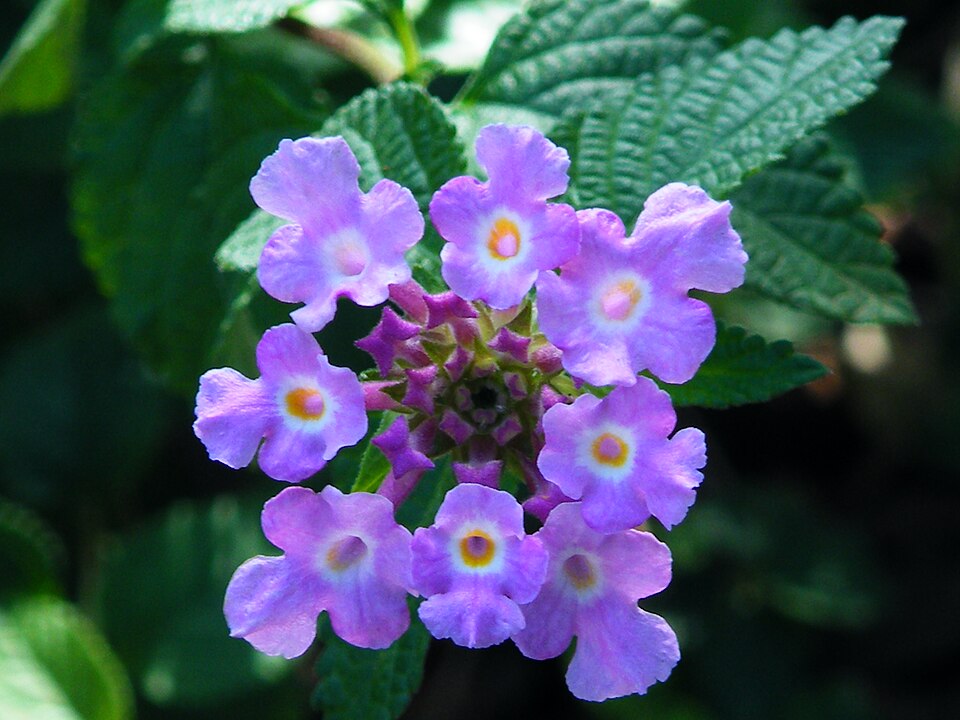
Lantana montevidensis is a low, trailing, evergreen subshrub in the verbena family, native to South America, reaching 1-2 feet (0.3-0.6 m) tall and spreading 3-6 feet (0.9-1.8 m) wide on long, lax stems that root where they touch moist soil. The small, oval, toothed leaves are 0.5-1.5 inches (1.3-3.8 cm) long, deep green, rough, and aromatic when crushed. Nearly year-round in mild climates, flat-topped clusters about 1-1.5 inches (2.5-3.8 cm) across carry many small tubular flowers in lavender to purple with a small white or yellow eye. Small dark berry-like fruits may follow. It is hardy in USDA zones 8-11 and tolerates heat, drought, and poor soils once established. The flowers draw butterflies and other pollinators over a long season. All parts, especially the unripe berries, contain toxic compounds that can sicken people and pets, and the species can spread aggressively in frost-free regions, where it is listed as invasive in some areas.
Native Range
Lantana montevidensis is native to South America, in Uruguay, Paraguay, southern Brazil, and northern Argentina. It has been planted widely as a groundcover in warm regions and has naturalized in parts of the southern United States, Australia, and other mild climates, where it grows on roadsides and disturbed land.Suggested Uses
Used as a groundcover, in containers, on walls and banks, and as a trailing edge in warm-climate plantings. The long bloom draws butterflies, though the toxic foliage and fruit and the invasive tendency limit its use near grazing animals and natural areas.How to Identify
Appearance
Size & Dimensions
Height1' - 2'
Width/Spread3' - 6'
Bloom Information
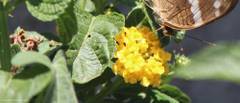
In mild, frost-free climates flowering continues nearly year-round, peaking from spring through fall. Flat clusters of small lavender to purple flowers open steadily over long periods. Butterflies and bees work the clusters throughout the warm season.
Detailed Descriptions
Flower Description
lavender to purple with pale eyeFoliage Description
deep greenGrowing Conditions
Sun Requirements
Requires 6-10 hours of direct sunlight daily
• Full Sun: 6+ hours of direct sunlight
• Partial Shade: 3-6 hours of direct sunlight
• Full Shade: Less than 3 hours of direct sunlight
Care & Maintenance
Care Guide
Grows in full sun on well-drained soils and tolerates heat, drought, salt, and poor ground once established. A soil pH of 6.0-7.5 suits the species, which blooms most heavily in full sun with light water. Established plants need little irrigation and rot in heavy, wet soil. Frost cuts the top back, but plants in zones 8 and warmer regrow from the base in spring. Stems root where they touch moist soil, which speeds its spread. Light feeding in spring supports steady bloom.Pruning
Shearing in late winter or early spring removes frost-damaged and leggy growth and renews the form. Light trimming through the season keeps the trailing stems dense and removes spent clusters. Plants tolerate hard cutback and resprout quickly in warm weather.Pruning Schedule
Prune: February–March
winterearly spring
Container Growing
Suitable for container growing
Minimum container size: 2 gallons