Lantana, Genus, strigocamara, Species,
- Genus & species
lantana
Tropical America (hybrid garden origin)
Overview
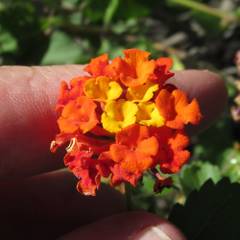
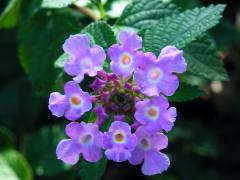
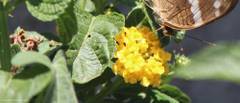
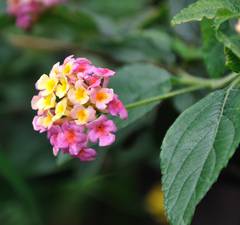
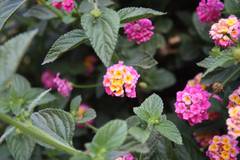
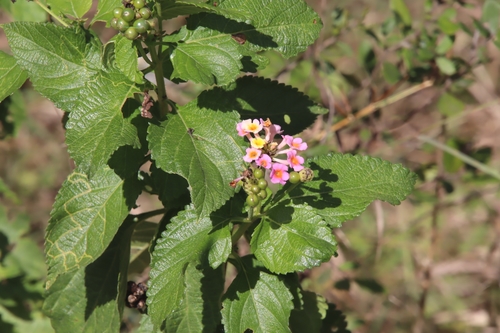
Lantana strigocamara is an evergreen flowering shrub in the verbena family, growing 2-6 feet (0.6-1.8 m) tall and as wide, with square, often prickly stems. The rough, oval leaves are 2-5 inches (5-12 cm) long, deeply veined, and release a pungent scent when crushed. From spring through fall, and year-round in frost-free climates, it carries dense rounded flower clusters 1-2 inches (2.5-5 cm) across; individual florets open yellow or pink and shift to orange and red as they age, so each cluster shows several colors at once. Pollinated flowers form small berry-like drupes that ripen from green to blue-black. The green unripe fruit and foliage contain pentacyclic triterpenoids toxic to humans, livestock, and pets if eaten. A vigorous hybrid of garden origin linked to Lantana camara, it is hardy in USDA zones 9-11 and grown as an annual in colder regions. It tolerates heat, drought, salt, and poor soil, and flowers continuously in warm weather. The plant is listed as an invasive weed across many tropical and subtropical regions, where it forms dense thickets. The flowers draw butterflies and other pollinators over a long season.
Native Range
Of hybrid garden origin, derived from Lantana camara and related species native to tropical Central and South America. It has naturalized widely across tropical and subtropical regions of the Americas, Africa, Asia, and Australia, where it spreads in disturbed ground, pastures, and forest margins.Suggested Uses
Used in warm-climate borders, containers, hanging baskets, and as a flowering groundcover or low hedge, spaced 2-4 feet (0.6-1.2 m) apart. Grown as a summer annual for season-long color in cold-winter regions. Its spread is restricted where it is regulated as invasive.How to Identify
Appearance
Size & Dimensions
Height2' - 6'
Width/Spread3' - 6'
Bloom Information
Detailed Descriptions
Flower Description
yellow, orange, pink, and redFoliage Description
greenGrowing Conditions
Sun Requirements
Requires 6-12 hours of direct sunlight daily
• Full Sun: 6+ hours of direct sunlight
• Partial Shade: 3-6 hours of direct sunlight
• Full Shade: Less than 3 hours of direct sunlight
Care & Maintenance
Care Guide
Grow in full sun on free-draining soil of low to average fertility; flowering drops in shade. Water moderately until established, then sparingly, as the plant tolerates drought and rots in soggy ground. Heat, salt, and poor soil are tolerated. Hardy in USDA zones 9-11, it is killed to the ground by hard frost and returns from the roots in zone 8, or is replaced annually in colder areas. Feeding is rarely needed, and excess nitrogen reduces bloom. The green fruit and leaves are toxic if eaten.Pruning
Shear lightly through the growing season to remove spent flower clusters and shape the plant; this also limits seed set and self-sowing. Cut frost-damaged or overwintered stems back hard in early spring to force dense new growth. Plants tolerate heavy renewal pruning.Pruning Schedule
Prune: March & June–July
early springsummer
Container Growing
Suitable for container growing
Minimum container size: 5 gallons