Myriopteris, Genus, spp., Multiple species,
- Genus
- Multiple species
lip ferns
Americas, mainly Mexico and southwestern USA
Overview
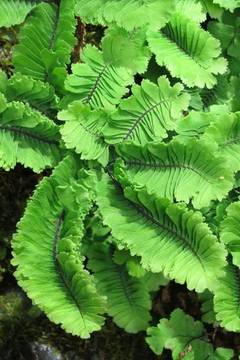
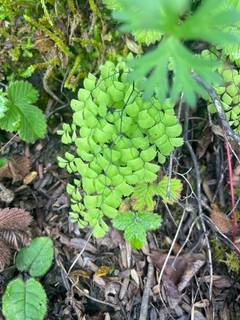
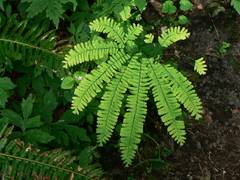
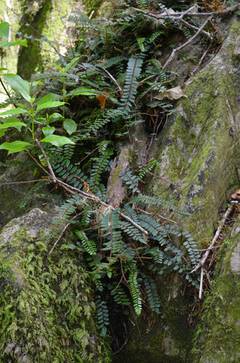
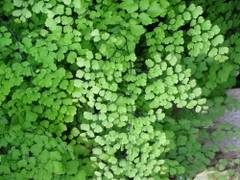
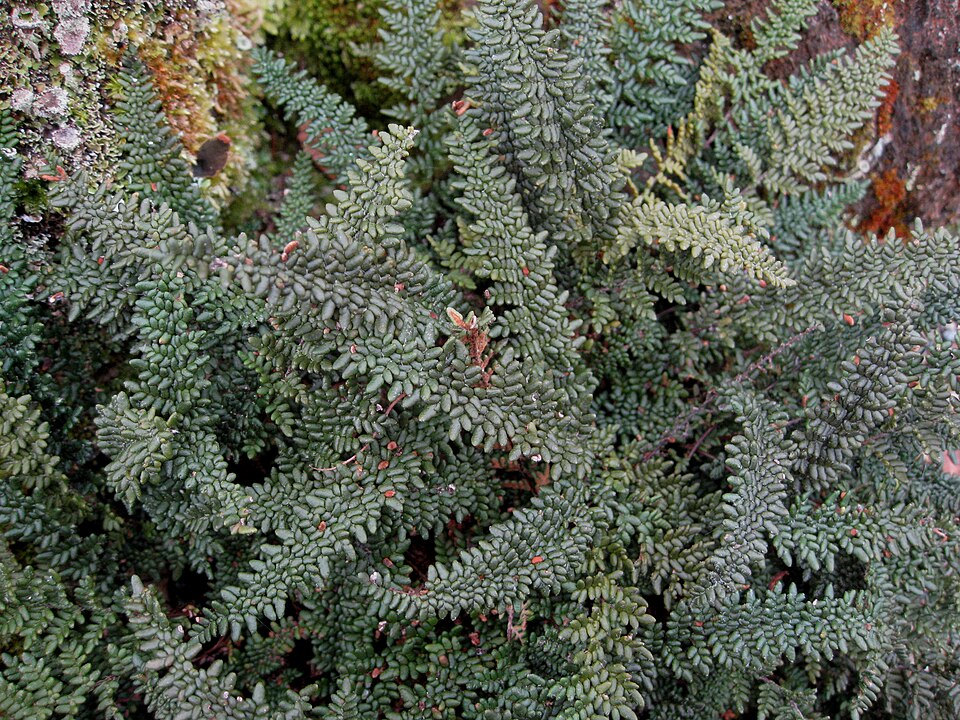
Myriopteris is a genus of about 45 species of small, drought-adapted ferns in the family Pteridaceae, commonly called lip ferns. Segregated from Cheilanthes, the genus is centered in the dry regions of the Americas, especially Mexico and the southwestern United States, where the ferns grow in rock crevices, on cliffs, and among boulders. Fronds are 4 to 18 inches (10 to 45 cm) long and finely divided into many small, bead-like or rounded segments, often densely covered with hairs, scales, or a white to tan waxy powder that helps the plant resist drying. The fronds arise in tufts from a short, scaly rhizome. Many species are resurrection ferns: in drought the fronds curl up and appear dead, then unfurl and green up again after rain. Spore cases are carried along the rolled-under frond margins rather than in open clusters. The genus needs sharp drainage and tolerates heat and dry air far better than most ferns, but rots in wet, heavy soil. Lip ferns are grown in rock gardens, crevice plantings, and troughs, where their drought tolerance and textured fronds suit dry, sunny sites with cool root runs.
Native Range
Myriopteris is native to the Americas, with the greatest number of species in Mexico and the southwestern United States, and others reaching into South America and the eastern United States. Plants grow on rock outcrops, cliff faces, and dry, stony slopes.Suggested Uses
Myriopteris is grown in rock gardens, crevice gardens, troughs, and dry stone walls, where its drought tolerance and finely cut fronds suit hot, well-drained spots. The ferns also naturalize in gravelly, sunny banks with cool root runs.How to Identify
Appearance
Size & Dimensions
Height4" - 1'6"
Width/Spread6" - 1'
Bloom Information
As a fern, Myriopteris does not flower. It reproduces by spores carried along the rolled-under margins of the frond segments, released in the warmer months. New fronds expand after rain, and in drought the existing fronds curl and wait.
Detailed Descriptions
Foliage Description
Green, often grey-scaled or white-powdery beneathGrowing Conditions
Sun Requirements
Requires 3-8 hours of direct sunlight daily
• Full Sun: 6+ hours of direct sunlight
• Partial Shade: 3-6 hours of direct sunlight
• Full Shade: Less than 3 hours of direct sunlight
Care & Maintenance
Care Guide
Myriopteris grows in sharply drained, gritty or rocky soil in sun to part shade, with its roots in a cool crevice between stones. The genus tolerates heat, drought, and dry air that would scorch most ferns, but rots quickly in wet, heavy, or poorly drained ground. Watering is moderate during growth and sparse in dormancy, since the resurrection fronds simply curl up and wait out dry spells. Many species are hardy in cold winters when drainage is sharp, though crown wetness in winter is the main risk. Little feeding is needed in the lean soils these ferns prefer. Top-dressing with grit keeps the crown dry and reduces rot.Pruning
Myriopteris needs no routine pruning. Old, browned, or weather-worn fronds are trimmed at the base in late winter before new growth, which also tidies resurrection species that have dried. Clumps can be divided in spring where they have spread across a rock face.Container Growing
Suitable for container growing
Minimum container size: 1 gallons