Adiantum, Genus, pedatum, Species,
- Genus & species
northern maidenhair fern
North America and eastern Asia; in North America from Alaska south to Georgia and west to California
Overview
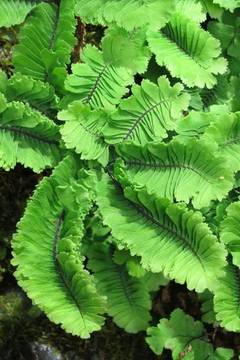
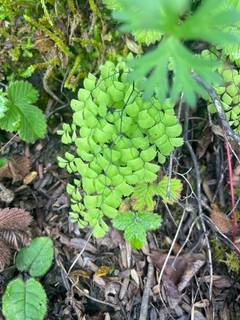
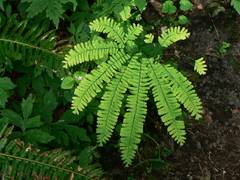
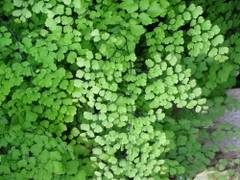
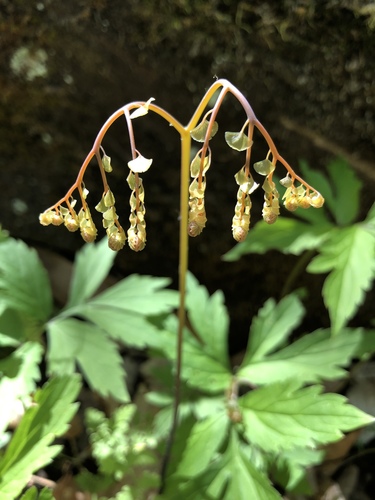
Adiantum pedatum is a native deciduous fern in the Pteridaceae family that grows 12-24 inches (30-60 cm) tall and 12-18 inches (30-45 cm) wide, forming a graceful, airy clump. The frond architecture is uncommon among temperate ferns and immediately recognisable: each frond has a dark, wiry, glossy black stem (stipe) that forks at the top into a horizontal, fan-shaped arrangement of finger-like pinnae, resembling an open hand or a Japanese fan. This fan shape gives the fern a layered, horizontal canopy effect — multiple fronds overlap to create a tiered green parasol. The light green to bright green pinnae are delicate and semi-translucent, with a papery texture that shimmers when backlit. The dark black stems contrast with the bright green frond tissue, adding a graphic quality. The species name 'pedatum' means 'foot-shaped', referencing the branching pattern at the frond top. New fronds emerge in spring as tightly coiled black fiddleheads that unfurl into the fan-shaped frond. Fall frond colour is golden-yellow before the deciduous fronds drop. The creeping rhizome slowly expands the clump, but the advance is gradual — this is not an aggressive spreader. Consistently moist, humus-rich soil in shade is required; in dry conditions, the fronds brown and shrivel. Deer rarely browse ferns.
Native Range
Adiantum pedatum is native to North America and eastern Asia. In North America, it occurs from Alaska south to Georgia and west to California, growing in moist, rich deciduous forests, shaded ravines, and along stream banks.Suggested Uses
Used in woodland shade gardens, along shaded paths, and under deciduous trees where the airy, fan-shaped fronds add a delicate texture. Container culture works in pots of 3 gallons (11 liters) or more in shaded positions. The black stems and light green fronds pair with dark-leaved hostas, ferns with coarser texture, and wildflowers for a layered woodland planting.How to Identify
Appearance
Size & Dimensions
Height1' - 2'
Width/Spread1' - 1'6"
Colors
Foliage Colors
Reproduction
Ferns reproduce by spores produced on the undersides of fertile pinnae in midsummer. Spore cases (sori) are hidden beneath the folded pinna margins.
Detailed Descriptions
Foliage Description
Light green to bright green, fan-shaped pinnae on dark wiry black stemsGrowing Conditions
Sun Requirements
Requires 2-4 hours of direct sunlight daily
• Full Sun: 6+ hours of direct sunlight
• Partial Shade: 3-6 hours of direct sunlight
• Full Shade: Less than 3 hours of direct sunlight
Care & Maintenance
Care Guide
Plant in partial to full shade with 2-4 hours of filtered light. Moist, humus-rich, well-drained soil. Watering during dry spells matters — the delicate fronds brown quickly in drought. Mulching with 2-3 inches (5-8 cm) of leaf mold is helpful. Brown fronds are removed in early spring before new fiddleheads emerge. No fertilisation is needed in humus-rich soil. Sun and dry conditions are avoided.Pruning
Brown or tattered fronds are removed in early spring before new fiddleheads unfurl. No other seasonal maintenance is needed.Pruning Schedule
Prune: March
early spring
Container Growing
Suitable for container growing
Minimum container size: 3 gallons