Image 1 of 14
1 / 14
Plant Reference
Adiantum, Genus, venustum, Species,
- Genus & species
Himalayan maidenhair fern
Himalayas — Afghanistan, northern India, Nepal, Bhutan, and southwestern China; moist montane forests and shaded rocky slopes at 3,000-9,000 feet (900-2,700 m)
Overview
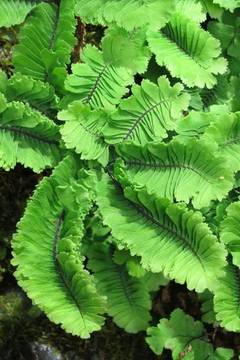
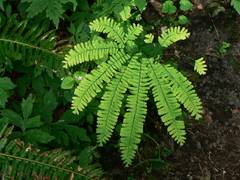
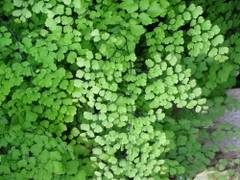
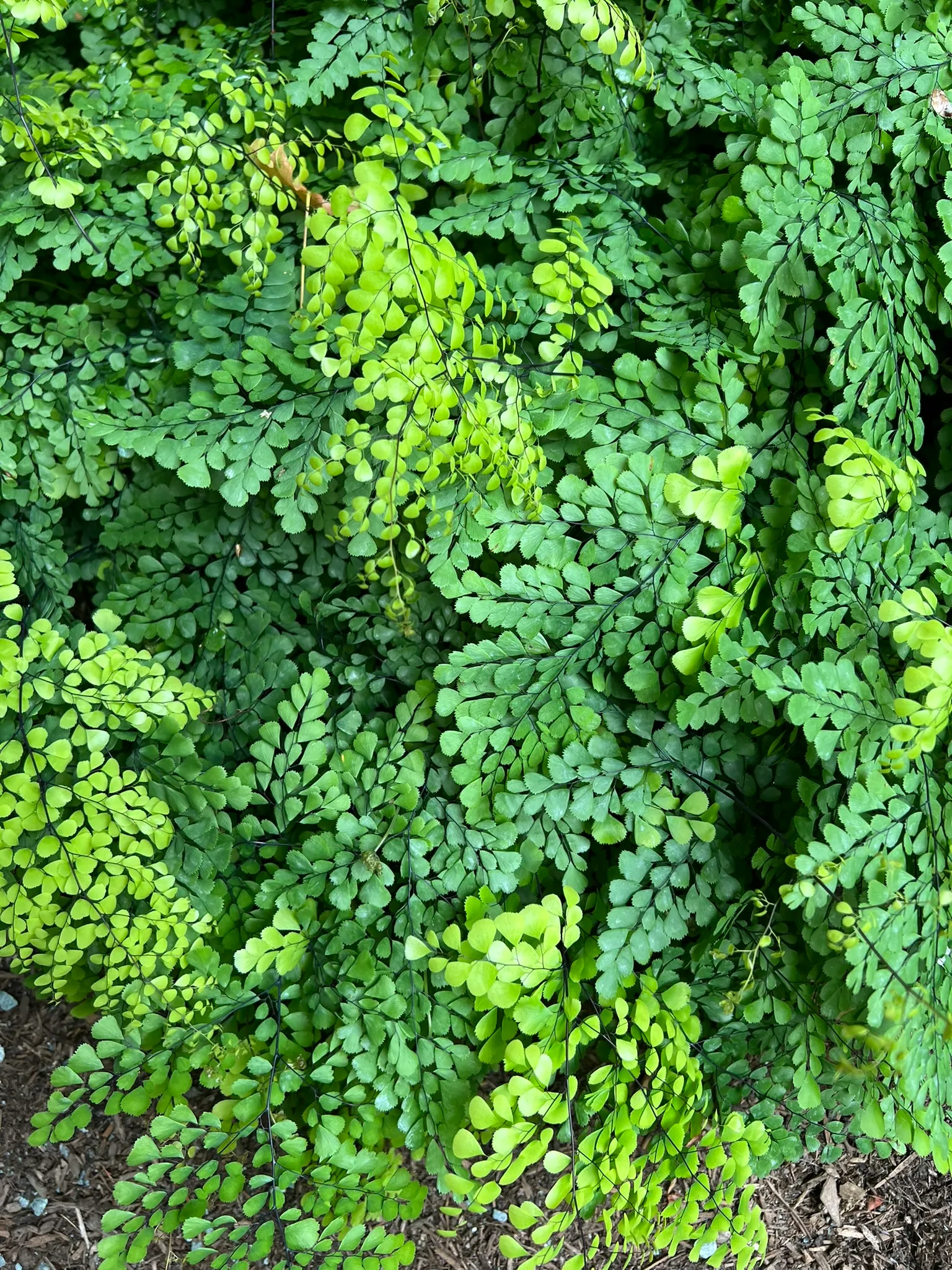
Adiantum venustum is Himalayan maidenhair fern (evergreen maidenhair), a low spreading semi-evergreen fern growing 9-15 inches (23-38 cm) tall and 18-24 inches (45-60 cm) wide. Triangular 3-4 times pinnate fronds with small fan-shaped pinnules 0.3-0.5 inch (8-13 mm) on black wiry stipes. Bronze-pink when emerging, maturing to mid-green. In Pteridaceae. Venustum = graceful. The hardiest maidenhair fern — tolerates zone 5 (to 0°F / -18°C), unlike the tender A. capillus-veneris or the deciduous A. pedatum. Spreads by slender creeping rhizomes to form a delicate lacy ground-cover carpet. Native to the Himalayas — Afghanistan through Nepal to southwestern China at 3,000-9,000 feet (900-2,700 m). Semi-evergreen — fronds persist in mild winters but are damaged by hard freezes below 10°F (-12°C). Not drought-tolerant — the delicate pinnules scorch rapidly in dry conditions. This moisture sensitivity is the primary cultural limitation. Deer-resistant. Non-toxic. Zones 5-9. Part shade to full shade. Growth rate is moderate (via rhizomes).
Native Range
Native to the Himalayas — Afghanistan, northern India, Nepal, Bhutan, and southwestern China. Found in moist montane forests and shaded rocky slopes at 3,000-9,000 feet (900-2,700 m).Suggested Uses
Grown as a shade ground cover, in woodland gardens, rock wall crevices, and in containers of at least 2 gallons (7.5 L), spaced 18-24 inches (45-60 cm). Lacy maidenhair texture. Hardiest maidenhair fern. Non-toxic. Zones 5-9.How to Identify
Appearance
Size & Dimensions
Height9" - 1'3"
Width/Spread1'6" - 2'
Reproduction
Sori along curved pinnule margins in midsummer.
Detailed Descriptions
Foliage Description
Bronze-pink when emerging, maturing to mid-green; fronds triangular, 3-4 times pinnate, with small fan-shaped pinnules 0.3-0.5 inch (8-13 mm) on black wiry stipes (rachis) — the black stipes and the fan-shaped pinnules are the maidenhair fern signature; semi-evergreen — fronds persist through mild winters but are damaged by hard freezes below 10°F (-12°C)Growing Conditions
Sun Requirements
Requires 1-4 hours of direct sunlight daily
• Full Sun: 6+ hours of direct sunlight
• Partial Shade: 3-6 hours of direct sunlight
• Full Shade: Less than 3 hours of direct sunlight
Care & Maintenance
Care Guide
Part shade to full shade (1-4 hours). Moist humus-rich soil pH 5.5-7.0. Not drought-tolerant — scorches rapidly in dry conditions. Cut frost-damaged fronds in early spring (March). Semi-evergreen. Spreads by slender rhizomes. Deer-resistant. Non-toxic. Zones 5-9.Pruning
Cut frost-damaged or tattered fronds to the ground in early spring (March) before new croziers emerge. No other pruning needed.Pruning Schedule
Prune: March
early spring
Container Growing
Suitable for container growing
Minimum container size: 2 gallons