Adiantum, Genus, raddianum, Species,
- Genus & species
maidenhair fern
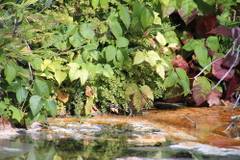
Native to tropical Americas from southern Mexico south through Central America to Brazil growing in sheltered humid ravines, near waterfalls, along streambanks, and in moist forest understory at moderate elevations
Overview
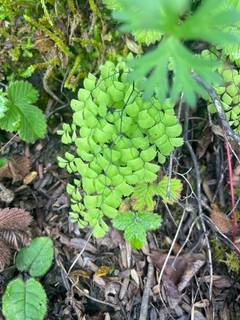
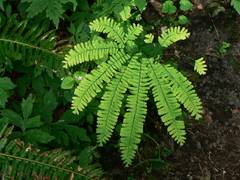
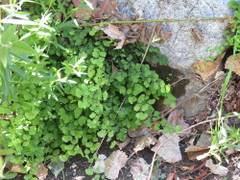
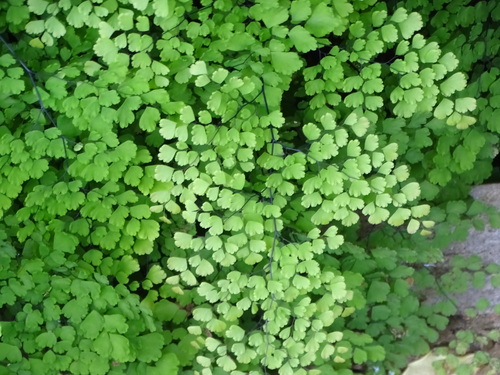
Adiantum raddianum is the maidenhair fern — a humidity-demanding tropical fern in the family Pteridaceae carrying delicate fan-shaped leaflets on dark wiry stems, growing 12–18 inches (30–45 cm) tall and 12–24 inches (30–60 cm) wide in a clumping rhizomatous habit. Bright green fan-shaped leaflets (pinnules) 0.25–0.5 inch (6–12 mm) across mount on wiry, dark brown to black stems (rachises) — the dark thread-thin rachis runs as the diagnostic feature that separates the genus from other tropical ferns. The genus name Adiantum translates from Greek as 'unwetted', referencing the hydrophobic leaf surface that beads water droplets and sheds them rather than absorbing — a feature visible during misting or spray-watering. The species runs as a high-maintenance houseplant in regular indoor cultivation: requires constant humidity above 60 percent and potting mix that never dries completely, with the thin pinnules desiccating within hours in dry conditions and producing the species's signature crisp brown-frond decline. Direct sun scorches the foliage; bright indirect light only suits the cultivation requirement. The species runs unsuited to placements near heating vents, air-conditioning outlets, and exterior doors with cold drafts — temperature swings and dry-air currents both cause rapid frond decline. If the fronds crisp completely from drying, shear all dead growth at the soil surface and the rhizome may regenerate new fronds once moisture and humidity are restored. Propagation runs through rhizome division. The species runs non-toxic to cats and dogs, suiting households with pets. Native to tropical Americas — southern Mexico south through Central America to Brazil — where the species grows in sheltered humid ravines and along waterfalls and streambanks at moderate elevations. The thin pinnules and wiry stems run physically fragile and sustain damage from handling. For lower-humidity fern alternatives, Phlebodium aureum (blue star fern) tolerates 30+ percent humidity and runs more forgiving than Adiantum for typical indoor air.
Native Range
Adiantum raddianum is native to tropical Americas, from southern Mexico south through Central America to Brazil, growing in sheltered humid ravines, near waterfalls, along streambanks, and in moist forest understory at moderate elevations.Suggested Uses
Used in enclosed terrariums where humidity stays high, in humid bathrooms with windows or skylights for natural light, in greenhouse benches and conservatory plantings, and in hanging baskets in the glassed-in sunrooms common in older Victorian-era homes. The species runs unsuited to typical living-room conditions in modern centrally-heated and air-conditioned homes — humidity in such spaces typically runs 20–35 percent, far below the species's 60+ percent requirement. Containers of 1–2 gallons (4–8 liters) suit the species's compact mature size and the rhizome's preference for slightly root-bound conditions. Non-toxic to cats and dogs makes the species a safe selection for pet households despite the demanding cultural requirements. For gardeners new to ferns, Phlebodium aureum (blue star fern) tolerates significantly lower humidity and runs more forgiving for typical indoor conditions.How to Identify
Appearance
Size & Dimensions
Height1' - 1'6"
Width/Spread1' - 2'
Bloom Information
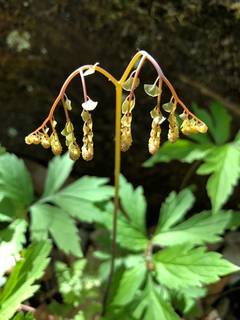
Ferns reproduce via spores rather than flowers — no bloom occurs in the species's life cycle. Spore-bearing sori form as linear structures along the pinnule margins, protected by the reflexed leaf edge (a false indusium); spore release runs continuous on mature fronds. The lacy foliage display runs as the year-round principal feature.
Detailed Descriptions
Foliage Description
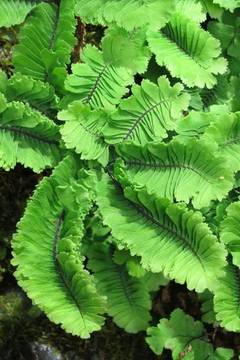
Bright green; tiny fan-shaped leaflets (pinnules) 0.25-0.5 inch across on wiry hair-thin dark brown to black stems (rachises)Growing Conditions
Sun Requirements
Requires 2-6 hours of direct sunlight daily
• Full Sun: 6+ hours of direct sunlight
• Partial Shade: 3-6 hours of direct sunlight
• Full Shade: Less than 3 hours of direct sunlight
Care & Maintenance
Care Guide
Place in bright indirect light only — direct sun scorches the foliage and turns the bright green pinnules brown within hours. Maintain humidity above 60 percent through humidifiers, pebble trays, terrarium enclosure, or grouping with other tropical plants; the thin pinnules desiccate rapidly in dry indoor air below this threshold. Keep the potting mix consistently moist but not waterlogged; the species runs unsuited to drying-out cycles that other houseplants tolerate. Use filtered or distilled water to prevent mineral and chlorine buildup that browns pinnule edges over time. Avoid placement near heating vents, air-conditioning outlets, exterior doors with cold drafts, and windowsills with significant temperature swings — the species runs sensitive to all environmental fluctuations. Standard houseplant potting mix at pH 6.0–7.0 suits the species. Non-toxic to cats and dogs.Pruning
Remove individual dead or browned fronds at the soil surface by cutting the stipe (frond stem) flush with the rhizome. If the entire plant dies back from drying or environmental stress, shear all growth to the soil surface — the rhizome may regenerate new fronds within 4–8 weeks if humidity and consistent moisture are restored. Do not give up on a fully-browned plant immediately; many specimens recover with the cutback-and-restore approach.Container Growing
Suitable for container growing
Minimum container size: 1 gallons