Image 1 of 18
1 / 18
Plant Reference
Adiantum, Genus, aleuticum, Species,
- Genus & species
western maidenhair fern
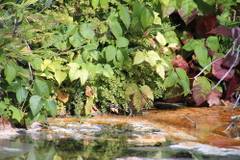
Western North America — from the Aleutian Islands and Alaska south through British Columbia, Washington, Oregon to California; also disjunct in eastern North America; moist shaded ravines, stream banks, waterfall spray zones, and moist rocky slopes
Overview
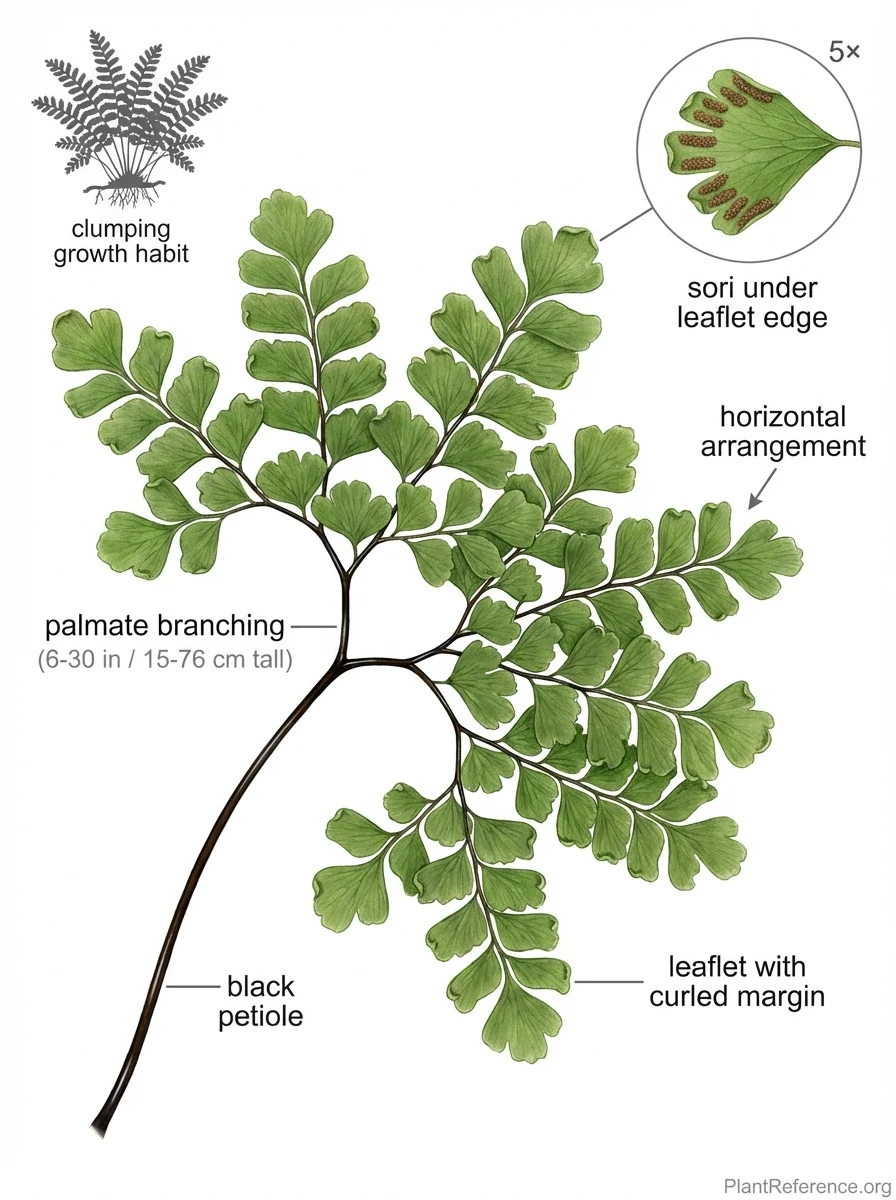
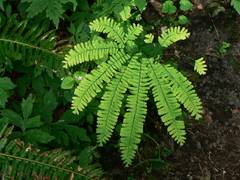
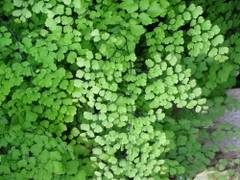
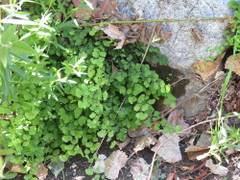
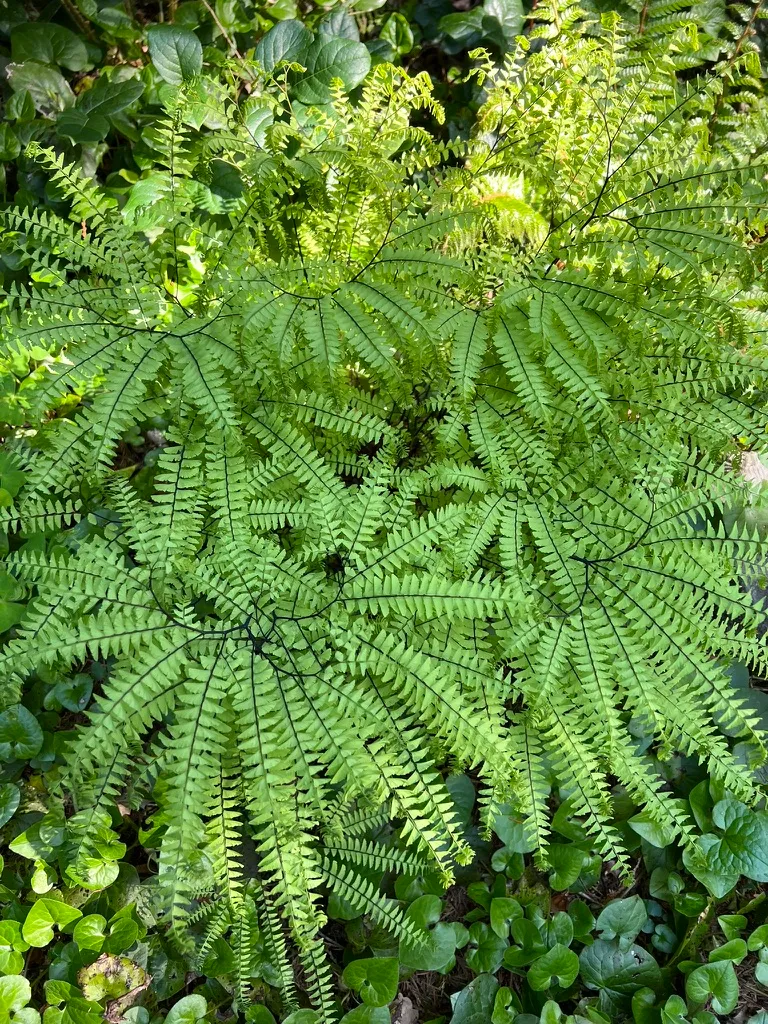
Adiantum aleuticum is western maidenhair fern (five-finger fern), a clumping deciduous fern growing 6-30 inches (15-75 cm) tall and 12-24 inches (30-60 cm) wide. Bright to medium green fan-shaped pinnae (leaflets) arranged in a palmate (finger-like) pattern on glossy dark brown to black wiry stipes (stems). Fronds emerge with a pinkish-bronze tint in spring. In Pteridaceae. A fern — reproduces by spores, not flowers. Sori (spore-producing structures) along the curled-under margins of the pinnae. The name Adiantum derives from Greek adiantos (unwetted) — water droplets bead on the wiry stipes. Formerly classified as A. pedatum var. aleuticum — now recognized as a separate species from the eastern A. pedatum. Native to western North America — Aleutian Islands through California. Found in moist shaded ravines, stream banks, and waterfall spray zones. Requires consistently moist soil and shade — wilts rapidly if soil dries out or in direct sun. This moisture and shade requirement is the primary limitation. The fronds are delicate and easily damaged by wind. Spreads slowly by creeping rhizomes. Deer-resistant. Non-toxic. Zones 3-9. Part shade to full shade. Growth rate is slow.
Native Range
Native to western North America — from the Aleutian Islands and Alaska south through British Columbia, Washington, Oregon to California. Disjunct populations in eastern North America. Found in moist shaded ravines, stream banks, waterfall spray zones, and moist rocky slopes.Suggested Uses
Grown in shaded woodland gardens, stream banks, moist rock gardens, and in containers of at least 3 gallons (11 L) with humus-rich moist potting mix, spaced 12-24 inches (30-60 cm). Requires consistent moisture and shade. Delicate texture. Native to western North America. Non-toxic. Zones 3-9.How to Identify
Appearance
Size & Dimensions
Height6" - 2'6"
Width/Spread1' - 2'
Reproduction
Sori along the curled-under margins of the pinnae mature in summer.
Detailed Descriptions
Foliage Description
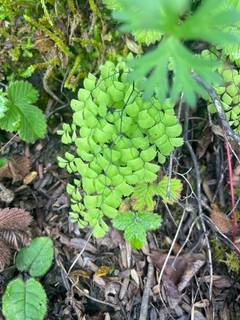
Bright to medium green fan-shaped pinnae (leaflets) on glossy dark brown to black wiry stipes (stems); the thin pinnae are light and airy in texture; fronds emerge with a pinkish-bronze tint in springGrowing Conditions
Sun Requirements
Requires 1-3 hours of direct sunlight daily
• Full Sun: 6+ hours of direct sunlight
• Partial Shade: 3-6 hours of direct sunlight
• Full Shade: Less than 3 hours of direct sunlight
Care & Maintenance
Care Guide
Part shade to full shade (1-3 hours of indirect light). Consistently moist soil pH 5.5-7.0 — wilts rapidly if soil dries. Sheltered from wind (delicate fronds). Remove dead brown fronds in early spring (March-April) before new fiddleheads emerge. Spreads slowly by rhizomes. Deer-resistant. Non-toxic. Zones 3-9.Pruning
Remove dead brown fronds in early spring (March-April) before new fiddleheads emerge. Do not cut green fronds during the growing season. The clumping form expands slowly by rhizomes — divide in spring if needed.Pruning Schedule
Prune: March–April
early spring
Container Growing
Suitable for container growing
Minimum container size: 3 gallons
Toxicity
Non-toxicBotanical Flashcard