Mussaenda, Genus, spp., Multiple species,
- Genus
- Multiple species
Old World tropics - Africa, Asia, and the Pacific
Overview
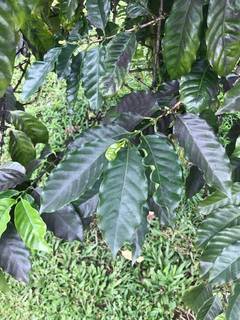
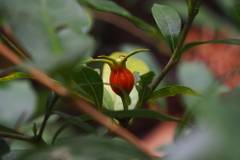
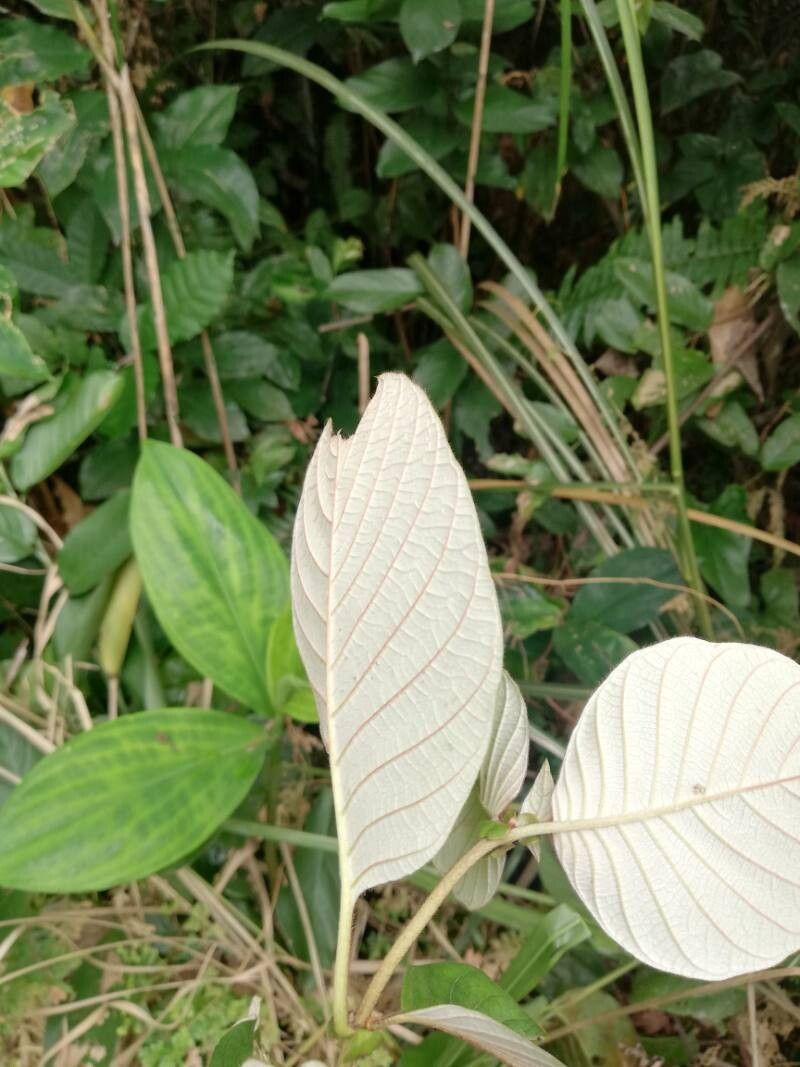
Mussaenda is a genus of about 200 evergreen shrubs and small trees in the family Rubiaceae, native to the tropics and subtropics of Africa, southern and southeastern Asia, and the Pacific islands. Plants typically grow 3-10 ft (0.9-3 m) tall and wide, with some scrambling species reaching higher into surrounding vegetation. The opposite leaves are oval, 3-8 inches (8-20 cm) long, soft, and often hairy, with a prominent pinnate vein pattern. The small tubular flowers are yellow to orange and 0.5-1 inch (1.3-2.5 cm) across, but the conspicuous feature is the enlarged sepal: on selected flowers one sepal expands into a broad, leaf-like blade 1-3 inches (2.5-8 cm) long, coloured white, cream, pink, or red. Massed sepals create the long-lasting colour for which species such as M. erythrophylla and M. philippica are cultivated in frost-free gardens. Flowering continues through the warm, wet months and can extend much of the year near the equator. The genus is restricted to warm climates and is damaged below about 40°F (4°C), limiting outdoor cultivation to tropical and subtropical zones.
Native Range
Native to the Old World tropics, spanning sub-Saharan Africa, the Indian subcontinent, southern China, Southeast Asia, and islands of the western Pacific. No species is native to the Americas, though several are grown ornamentally in tropical regions worldwide.Suggested Uses
Grown as flowering shrubs, informal hedges, and container plants in tropical and subtropical gardens, and under glass in cooler climates. The persistent coloured sepals supply long-lasting colour in mixed borders and patio pots. Scrambling species are trained on supports or allowed to clamber through larger shrubs.How to Identify
Appearance
Size & Dimensions
Height3' - 10'
Width/Spread3' - 8'
Bloom Information
Flowering runs through the warm, wet season, commonly late spring to autumn (May-October) in subtropical areas and nearly year-round in equatorial climates. The coloured sepals persist for weeks, far longer than the short-lived tubular flowers they surround. Insects, including butterflies and long-tongued bees, visit the nectar-bearing flowers.
Detailed Descriptions
Flower Description
Yellow to orange, with white, cream, pink, or red sepalsFoliage Description
GreenGrowing Conditions
Sun Requirements
Requires 4-8 hours of direct sunlight daily
• Full Sun: 6+ hours of direct sunlight
• Partial Shade: 3-6 hours of direct sunlight
• Full Shade: Less than 3 hours of direct sunlight
Care & Maintenance
Care Guide
Grow in full sun to part shade in fertile, moisture-retentive but free-draining soil kept evenly damp during active growth. Warmth above 60°F (16°C) and high humidity suit the genus, and growth slows or stops during cool or dry spells. Plants are hardy only in USDA zones 10-12 and are killed or cut back by frost, so in cooler regions they are grown under glass or as container specimens moved indoors. Feeding through the growing season supports continued flowering, while waterlogged or droughty soil causes leaf drop. Most species recover quickly from cutting back and tolerate hard renewal pruning.Pruning
Cutting back after the main flush, or in late winter in frost-free areas, controls size and encourages branching that carries the next round of sepals. Flowers and coloured sepals form on new growth, so a hard late-winter cut is followed by fresh flowering shoots. Frost-damaged stems on container plants are removed once growth resumes in spring.Container Growing
Suitable for container growing
Minimum container size: 5 gallons