Image 1 of 18
1 / 18
Plant Reference
Galium, Genus, odoratum, Species,
- Genus & species
sweet woodruff
Europe (Britain, Scandinavia south to Mediterranean and Morocco), east to Siberia
Overview
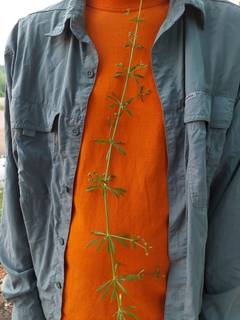
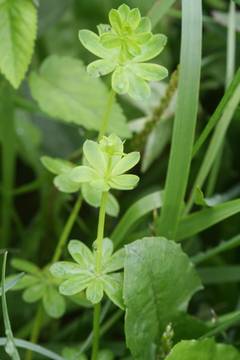
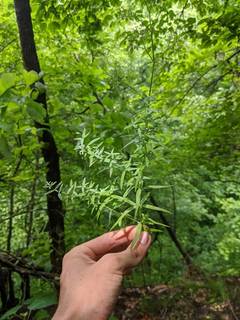
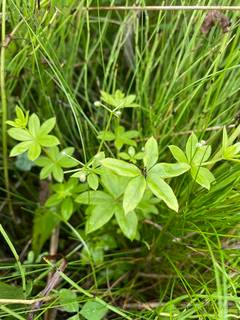
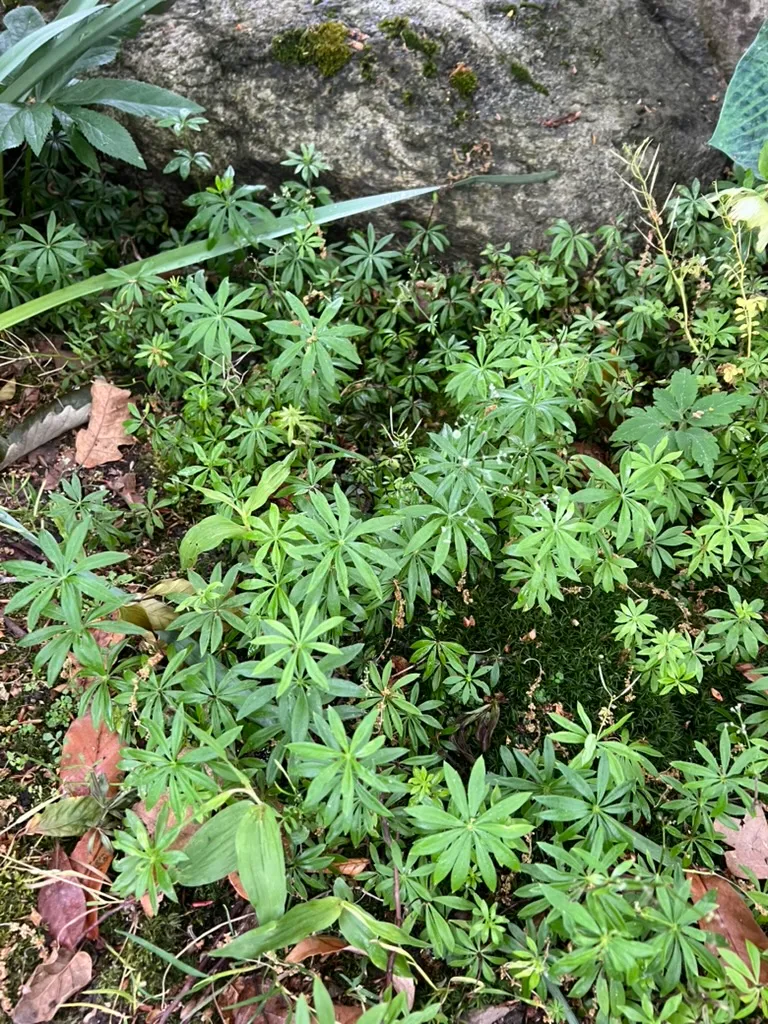
Galium odoratum is sweet woodruff (sweet-scented bedstraw), growing 6–12 inches (15–30 cm) tall and spreading 12–24 inches (30–60 cm) per plant, forming a dense weed-suppressing carpet by shallow rhizomes and self-seeding. Bright green lance-shaped leaves in whorls of 6–8 around square stems — the whorled leaf arrangement and the square stems are the genus identifiers. Tiny white 4-petaled star-shaped flowers in loose terminal clusters in late spring (April–June), lasting 3–4 weeks. In the coffee family (Rubiaceae). The entire plant contains coumarin, which produces a sweet hay-like fragrance when the foliage is wilted or dried — the coumarin is not detectable on the fresh intact plant. Dried sweet woodruff has been used for centuries in herbal sachets and as the traditional flavoring for German May wine (Maibowle). Spreads vigorously by shallow rhizomes in favorable conditions — edge annually to contain spread. Tolerates dry shade under deciduous trees where many groundcovers fail, though it performs with most vigor in consistent moisture. The foliage may bronze and die back partially in summer drought but recovers with autumn moisture. Naturalized in parts of North America, including the Pacific Northwest. Deer-resistant. Non-toxic in moderate quantities (high doses of coumarin are hepatotoxic in animal studies). Partial shade to full shade. Zones 4–9. Growth rate is fast.
Native Range
Native across Europe from Britain and Scandinavia south to the Mediterranean and Morocco, east through Turkey and the Caucasus to Siberia, growing in deciduous woodland, forest margins, and hedgebanks. Naturalized in parts of North America.Suggested Uses
Grown as a shade groundcover under deciduous trees in zones 4–9, forming a dense weed-suppressing carpet. Tolerates dry shade. Companion to Hosta, ferns, and Epimedium. The dried foliage is used in sachets and to flavor German May wine. Non-toxic. Deer-resistant.How to Identify
Appearance
Size & Dimensions
Height6" - 1'
Width/Spread1' - 2'
Bloom Information
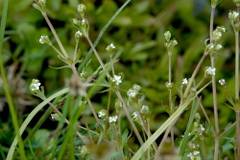
Late spring (April–June), lasting 3–4 weeks. Tiny white star-shaped flowers in loose clusters above the whorled foliage. The plant functions as a foliage groundcover for the remainder of the growing season after bloom ends.
Detailed Descriptions
Flower Description
White, tiny, 4-petaled, star-shaped, in loose terminal clustersFoliage Description
Bright green, lance-shaped, in whorls of 6-8 around square stemsGrowing Conditions
Sun Requirements
Tolerates up to 4 hours of direct sunlight daily
• Full Sun: 6+ hours of direct sunlight
• Partial Shade: 3-6 hours of direct sunlight
• Full Shade: Less than 3 hours of direct sunlight
Care & Maintenance
Care Guide
Partial shade to full shade. Tolerates dry shade under deciduous trees. Consistent moisture produces the densest cover. Spreads by shallow rhizomes — edge annually to contain. Contains coumarin (sweet hay-like fragrance when dried). Non-toxic in moderate quantities. Deer-resistant. Zones 4–9.Pruning
Shear or mow the entire planting to 2–3 inches (5–8 cm) after flowering in June to refresh the foliage — the plant regrows with fresh growth. Edge planting areas annually to contain rhizome spread. Cut back dead growth in early spring.Pruning Schedule
Prune: March & June
late springearly spring