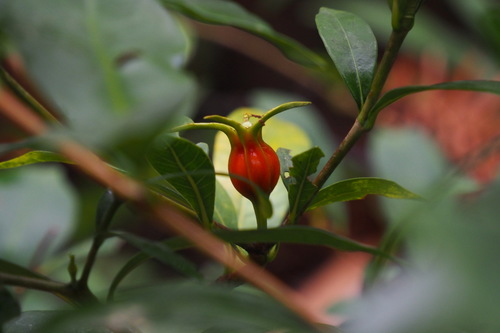
Gardenia, Genus, jasminoides, Species,
- Genus & species
gardenia
East Asia — China, Japan, Taiwan; the 'jasminoides' means 'jasmine-like' (referring to the fragrance)
Overview
Gardenia jasminoides is the gardenia, growing 24–48 inches (60–120 cm) indoors. Creamy-white double waxy flowers 2–4 inches (5–10 cm) across with a strong, sweet, complex fragrance — the species name 'jasminoides' means 'jasmine-like,' though the scent has heavier, more resinous notes than true jasmine. Dark glossy evergreen foliage. Requires acidic soil (pH 5.0–6.0); alkaline conditions cause interveinal chlorosis (yellowing between green veins) due to iron unavailability. Bud abscission is a common indoor issue: buds drop in response to changes in temperature, humidity, light level, or watering pattern. Requires humidity above 50%, bright indirect light, consistent soil moisture, and cool night temperatures of 55–65°F (13–18°C) for bud initiation. Outdoors in zones 8–11, the natural humidity and temperature fluctuations reduce bud drop. Prune only after flowering — buds form on current-season growth. Toxic to dogs, cats, and horses (gardenoside causes gastrointestinal irritation). Scale insects, mealybugs, and whiteflies are common pests. The fragrance is strongest in the evening hours.
Native Range
Gardenia jasminoides is native to East Asia — China, Japan, and Taiwan.Suggested Uses
Grown in containers of 2–3 gallons (8–12 liters) indoors in bright, humid locations with acidic potting mix. Outdoors in zones 8–11 as a landscape shrub in acidic soil. Positioned near seating areas or windows where the evening fragrance is noticeable.How to Identify
Appearance
Size & Dimensions
Height2' - 4'
Width/Spread2' - 3'
Colors
Bloom Information
Detailed Descriptions
Flower Description
Creamy-WHITE, double, waxy, intensely FRAGRANT — one of the most intoxicating floral fragrances in the worldFoliage Description
Dark green, glossy, leatheryGrowing Conditions
Sun Requirements
Requires 5-8 hours of direct sunlight daily
• Full Sun: 6+ hours of direct sunlight
• Partial Shade: 3-6 hours of direct sunlight
• Full Shade: Less than 3 hours of direct sunlight
Care & Maintenance
Care Guide
Bright indirect light. Acidic soil pH 5.0–6.0 — interveinal chlorosis occurs in alkaline conditions. Humidity above 50%. Cool nights 55–65°F (13–18°C) for bud set. Keep soil evenly moist. Buds drop in response to environmental changes. Toxic to pets.Pruning
Prune only after flowering finishes. Buds form on current-season growth — pruning at other times removes developing buds.Pruning Schedule
Prune: August
summer
Container Growing
Suitable for container growing
Minimum container size: 7 gallons