Gardenia, Genus, spp., Multiple species,
- Genus
- Multiple species
gardenias
Tropical and subtropical Africa, Asia, Madagascar, and the Pacific
Overview
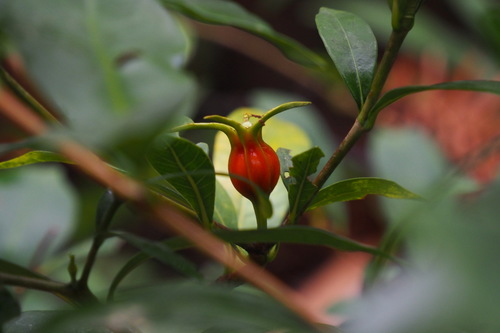
Gardenia is a genus of about 140 evergreen shrubs and small trees in the coffee family, Rubiaceae, native to tropical and subtropical Africa, Asia, Madagascar, and the Pacific islands. The plants carry glossy, leathery, deep green leaves in opposite pairs or whorls and reach 2-15 ft (0.6-4.5 m), forming rounded shrubs to small trees depending on species. The flowers are the defining feature: solitary or clustered, waxy, and white, ageing to cream or soft yellow, single or fully double, 2-4 in (5-10 cm) across, and carrying a heavy sweet scent. The common gardenia G. jasminoides is grown worldwide for these blooms. Flowering comes mainly in late spring and summer, and some species rebloom into autumn. Fleshy orange to dark fruits follow, used as a yellow dye in parts of Asia. Gardenias need warmth, acid soil, and steady moisture, and are damaged by frost, alkaline ground, and dry air, which cause bud drop and yellowing leaves. They are exacting plants, prone to chlorosis and to scale, mealybug, and whitefly, but are widely grown for fragrance in warm gardens and as container and glasshouse plants in cooler regions.
Native Range
The genus is native to the warm regions of the Old World, including sub-Saharan Africa, Madagascar, southern and eastern Asia, and the islands of the Pacific and Indian Oceans. The common gardenia G. jasminoides originates in southern China and Japan.Suggested Uses
Gardenias are grown as fragrant flowering shrubs, low hedges, and container specimens on patios and beside entrances where the scent carries. In warm climates they are massed in borders and foundation plantings, and in cooler regions they are kept in pots moved under glass for winter. The cut flowers are used in corsages and arrangements.How to Identify
Appearance
Size & Dimensions
Height2' - 15'
Width/Spread2' - 8'
Bloom Information
Flowering peaks in late spring and summer, generally May to August, with waxy white flowers opening a few at a time and perfuming the surrounding air. Individual flowers last several days, fading to cream or yellow as they age. In warm climates some species and cultivars rebloom sporadically into autumn.
Detailed Descriptions
Flower Description
white ageing to cream or yellowFoliage Description
glossy dark greenGrowing Conditions
Sun Requirements
Requires 4-8 hours of direct sunlight daily
• Full Sun: 6+ hours of direct sunlight
• Partial Shade: 3-6 hours of direct sunlight
• Full Shade: Less than 3 hours of direct sunlight
Care & Maintenance
Care Guide
Gardenia needs full sun to light shade, warmth, and moist, acid, humus-rich, freely draining soil at pH around 5.0-6.5. Alkaline soil locks up iron and turns leaves yellow, the most common problem, so acidic conditions and even moisture are essential. Plants are frost-tender and drop buds in response to sudden shifts in temperature, watering, or light. Steady humidity, mulch, and an acidic fertiliser through the growing season support healthy growth. Scale, mealybug, whitefly, and sooty mould are frequent pests, particularly indoors. Cool nights and warm days favour bud set, while waterlogged or dry soil causes leaf and bud loss.Pruning
Prune Gardenia lightly after the main flush of bloom, removing spent flowers and shaping the plant, since buds form on new growth produced afterward. Thin crowded or weak stems to improve airflow and reduce pest buildup. Hard renewal pruning is tolerated in spring but delays the next bloom.Pruning Schedule
Prune: July–August
summer
Container Growing
Suitable for container growing
Minimum container size: 5 gallons