Cornus, Genus, capitata, Species,
- Genus & species
mountain moon dogwood tree
Eastern Himalayas: Bhutan, Nepal, northeastern India, southwestern China, northern Vietnam
Overview
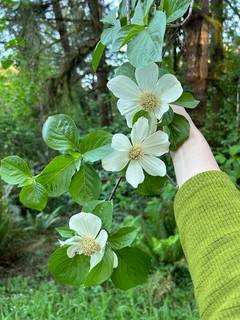
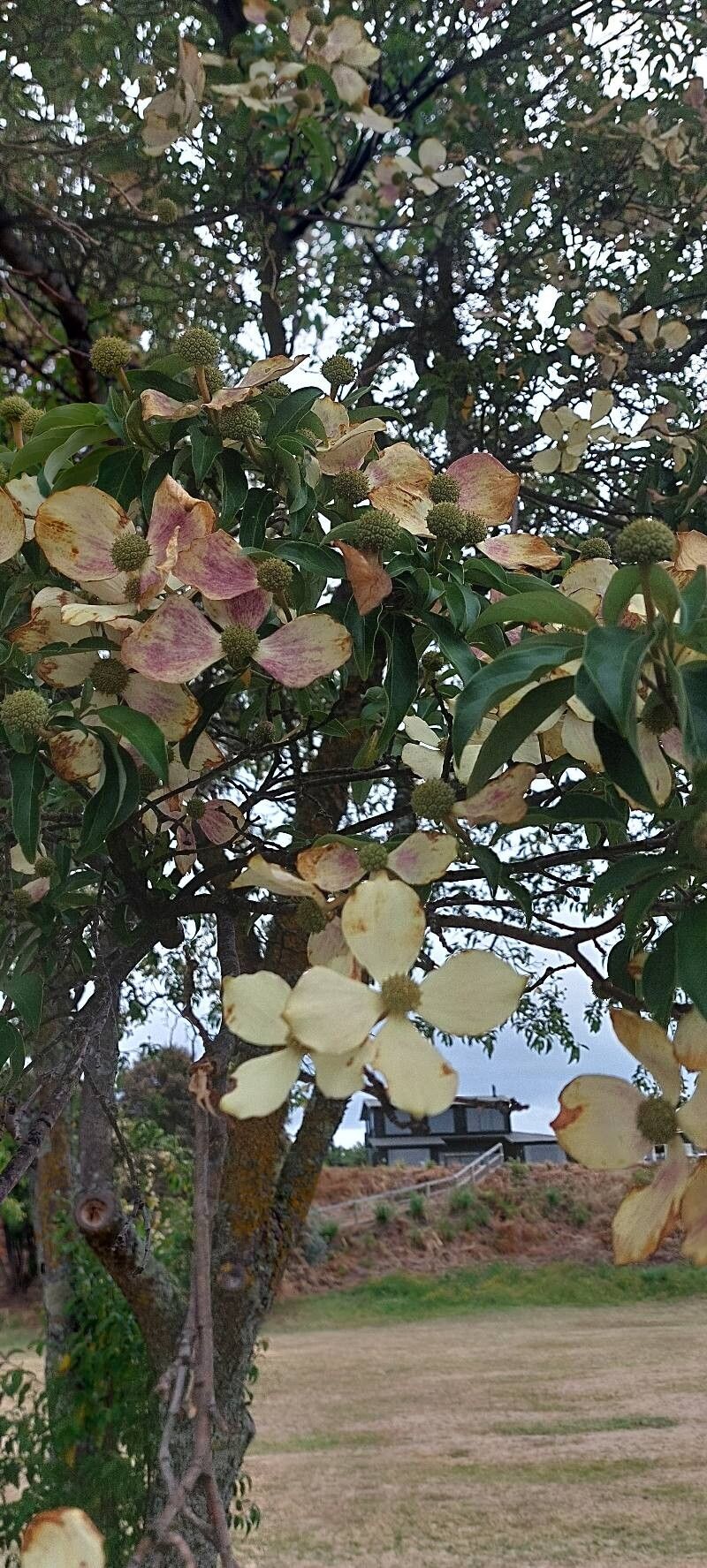
Cornus capitata is an evergreen to semi-evergreen tree forming a spreading rounded crown 25-40 feet (7.5-12 m) tall and 25-35 feet (7.5-10.7 m) wide at maturity. Bark is dark gray-brown and develops shallow flaking patches with age. Opposite ovate-elliptic leaves 3-5 inches (7.5-12.5 cm) long are gray-green to mid-green with paler undersides; foliage holds through winter in zones 9-10 and partly drops in zone 8. Pale yellow to creamy-white petal-like bracts 1.5-2.5 inches (4-6.5 cm) long surround small green flower clusters from June through August. Bracts age from cream to pinkish-cream over 4-6 weeks. Strawberry-like red syncarp fruit 1-1.5 inches (2.5-4 cm) across ripens in October and November; the fruit is edible but mealy in texture and rarely harvested. Foliage damage occurs at 15°F (-9°C) and crowns are killed below 5°F (-15°C). Anthracnose and powdery mildew are uncommon on this species; root rot develops in waterlogged soils.
Native Range
Cornus capitata is native to the eastern Himalayas of Bhutan, Nepal, northeastern India, southwestern China, and northern Vietnam, where it grows as a forest understory or canopy gap tree at 4,000-9,500 feet (1,200-2,900 m) elevation. Plants have been cultivated in mild climates of the United Kingdom, Pacific Northwest, and California since the 1820s.Suggested Uses
Used as a specimen evergreen tree in mild-climate gardens at 25-35 foot (7.5-10.7 m) spacing in zones 8-10. Used at woodland edges or as a screen where year-round foliage and summer bract display are wanted. Grown in coastal California and Pacific Northwest gardens where summer dry conditions are tolerated.How to Identify
Appearance
Size & Dimensions
Height25' - 40'
Width/Spread25' - 35'
Bloom Information
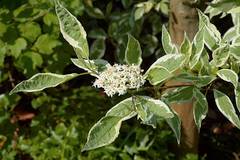
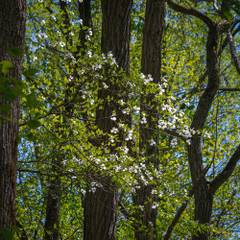
Pale yellow-cream petal-like bracts 1.5-2.5 inches (4-6.5 cm) long appear from June through August in zones 8-10, with peak bloom in July across most of the cultivated range. Bracts age from cream to pinkish-cream over 4-6 weeks. Bloom is sparse on plants under 8-10 years from seed and consistent on grafted nursery plants from 4-5 years onward. Strawberry-like syncarp fruit follows from October into November.
Detailed Descriptions
Flower Description
Pale yellow to creamy white (bracts)Foliage Description
Gray-green to mid-green with paler undersidesGrowing Conditions
Sun Requirements
Requires 4-8 hours of direct sunlight daily
• Full Sun: 6+ hours of direct sunlight
• Partial Shade: 3-6 hours of direct sunlight
• Full Shade: Less than 3 hours of direct sunlight
Care & Maintenance
Care Guide
Water deeply weekly during the first three growing seasons; established plants tolerate 2-3 weeks without rain in zones 8-10 with summer rainfall. Apply balanced slow-release fertilizer once in early spring. Plants are damaged by sustained temperatures below 15°F (-9°C); siting against south or west walls extends survival in marginal zone 7 locations. Root rot develops in waterlogged sites; raised beds or amended sandy loam reduce risk. Mealybug and scale are occasional pests on indoor or greenhouse-grown specimens. Plants live 80-150 years in their native range and 50-80 years in cultivation.Pruning
Remove dead, damaged, or crossing branches in early summer after the bract display; the natural form develops without major training. Selective removal of low limbs raises the canopy on specimen trees and exposes the bark patterning. Stem cuttings root in 30-60 days under intermittent mist in summer. Grafted nursery stock is the typical propagation method for cultivar consistency.Pruning Schedule
Prune: July–August
summer
Container Growing
Minimum container size: 30 gallons