Rhododendron, Genus, 'Minnetonka', Cultivar,
- Genus
- Cultivar
Minnetonka Rhododendron
Hybrid of cultivated origin (cold-hardy rhododendron breeding, upper Midwest)
Overview
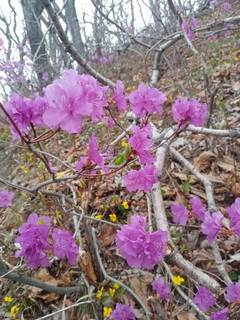
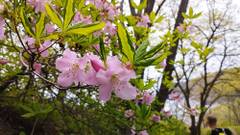
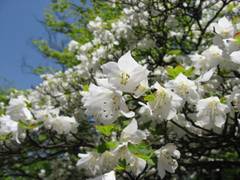
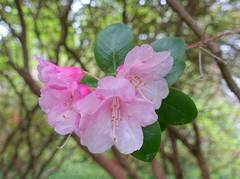
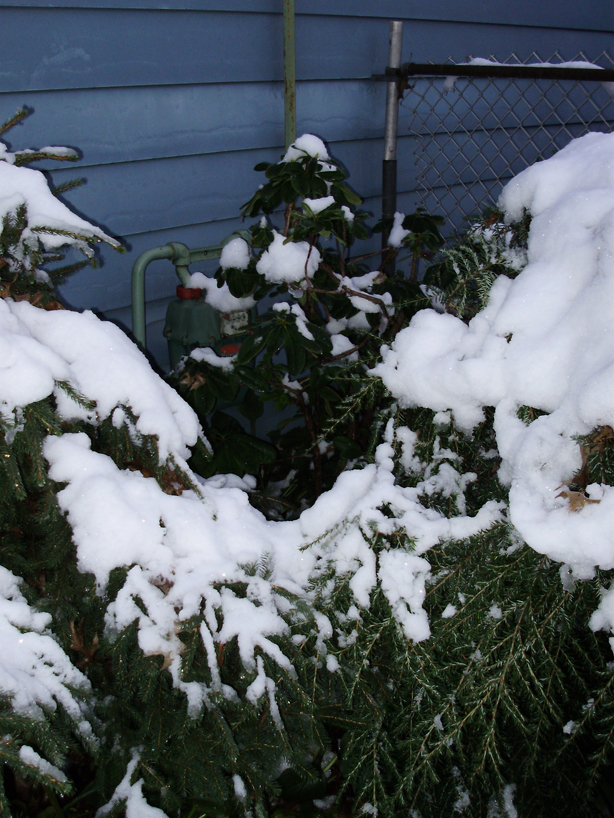
Rhododendron 'Minnetonka' is a cold-hardy broadleaf evergreen rhododendron forming a compact, rounded mound 3-4 feet (90-120 cm) tall and 4-5 feet (120-150 cm) wide. In late spring it carries rounded flower trusses of light purple, each bloom opening from a red-violet bud and marked with orange-yellow spotting on the upper lobe. The dark green elliptic leaves are 2-4 inches (5-10 cm) long and persist through winter. Bred for hardiness in the upper Midwest, it withstands winter lows near -25F (-32C), placing it among rhododendrons usable in USDA zone 4. Flowering lasts about two to three weeks in a single spring flush, with no rebloom later in the season. The plant needs acidic, evenly moist but well-drained soil; it develops yellowing foliage in alkaline ground and suffers root rot in heavy, wet soils. All parts contain grayanotoxins, toxic to humans, dogs, cats, and grazing animals if eaten. Exposed winter sites can cause leaf desiccation, so a spot sheltered from drying wind reduces winter burn.
Native Range
Rhododendron 'Minnetonka' is a hybrid selected for the climate of the upper Midwest and does not occur in the wild. Its parentage traces to cold-hardy Asian and North American rhododendron species. The cultivar originated in cultivation.Suggested Uses
Used in foundation plantings, low shrub borders, and woodland gardens in cold-winter regions, spaced 4-5 feet (120-150 cm) apart. It grows in large containers of at least 7 gallons (26 L) with acidic mix in zones 4-6. The evergreen foliage adds winter structure to shaded beds.How to Identify
Appearance
Size & Dimensions
Height3' - 4'
Width/Spread4' - 5'
Bloom Information
Bloom occurs in late spring, generally May, in a single flush of rounded trusses lasting two to three weeks. Each truss holds numerous light purple flowers. The plant does not rebloom in summer or fall.
Detailed Descriptions
Flower Description
Light purple with orange-yellow spottingFoliage Description
Dark greenGrowing Conditions
Sun Requirements
Requires 3-6 hours of direct sunlight daily
• Full Sun: 6+ hours of direct sunlight
• Partial Shade: 3-6 hours of direct sunlight
• Full Shade: Less than 3 hours of direct sunlight
Care & Maintenance
Care Guide
Position in part sun to dappled shade in acidic soil with a pH of 4.5-6.0 that stays evenly moist yet drains freely. Heavy, wet soils encourage root rot, while alkaline soils cause iron-deficiency yellowing. Mulch the shallow root zone 2-3 inches (5-7.5 cm) deep with bark or pine needles, holding mulch off the stems. In zone 4-5 gardens, a location sheltered from winter wind and harsh afternoon sun lowers the risk of leaf desiccation. Water deeply during dry periods, since the roots are shallow and intolerant of drought. Feed sparingly after bloom with an acid-formulated fertilizer if foliage is pale.Pruning
Prune just after flowering, in late spring, because next season's buds set on summer growth. Cutting after midsummer removes the following year's blooms. Routine pruning is limited to removing spent trusses and any dead or damaged wood, as the compact habit rarely needs reshaping.Pruning Schedule
Prune: May–June
late spring
Container Growing
Suitable for container growing
Minimum container size: 7 gallons