Manihot, Genus, spp., Multiple species,
- Genus
- Multiple species
Cassavas
Overview
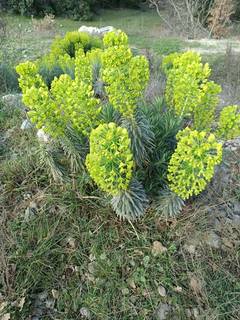
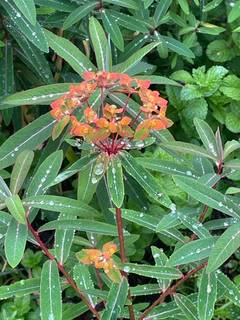
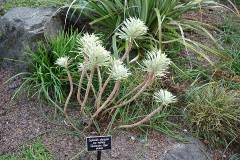
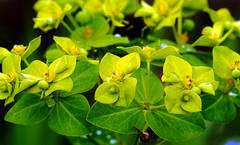
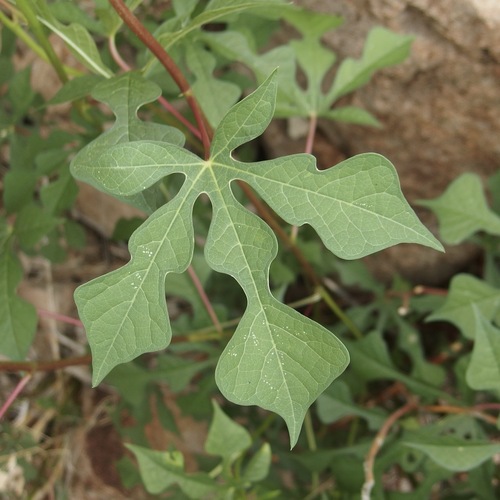
Manihot is a genus of about 100 species of shrubs, small trees, and tuberous herbs in the spurge family (Euphorbiaceae), native to tropical and subtropical America. Plants range from 1 m (3 ft) shrubs to trees of 8 m (26 ft) and carry milky latex throughout. The alternate leaves are usually palmately lobed with three to nine narrow lobes, often on long stalks. Small petal-less flowers are greenish to cream, borne in branched clusters with separate male and female flowers on the same plant, and are followed by winged capsules that split explosively to scatter the seeds. The genus includes M. esculenta, cassava or manioc, whose starchy tuberous roots are a staple food and the source of tapioca, and M. glaziovii, once tapped for Ceara rubber. The roots and other parts contain cyanogenic compounds that release hydrogen cyanide and are poisonous until the roots are peeled, soaked, and cooked. Plants are frost-tender and grow only in warm, frost-free climates, and the brittle stems break in strong wind.
Native Range
Manihot is native to the tropical and subtropical Americas, from Mexico and the southern United States through Central America to Brazil and Argentina, growing in savanna, scrub, dry forest, and disturbed ground.Suggested Uses
Grown mainly as a food and starch crop for its tuberous roots, with the young leaves of some species cooked as a vegetable after thorough boiling. M. glaziovii has been planted for latex and as a quick shade and shelter tree. Variegated cassava forms are grown as tender foliage plants, spaced 1-2 m (3-6.5 ft) apart.How to Identify
Appearance
Size & Dimensions
Height3' - 26'
Width/Spread3' - 10'
Bloom Information
Flowering occurs through the warm, wet season and can continue for much of the year in the tropics. The small greenish flowers are wind- and insect-pollinated and are followed within weeks by splitting capsules. In cultivation cassava is grown for its roots and often harvested before flowering.
Detailed Descriptions
Flower Description
greenish to creamFoliage Description
green, some variegatedGrowing Conditions
Sun Requirements
Requires 6-12 hours of direct sunlight daily
• Full Sun: 6+ hours of direct sunlight
• Partial Shade: 3-6 hours of direct sunlight
• Full Shade: Less than 3 hours of direct sunlight
Care & Maintenance
Care Guide
Most species grow in full sun on light, free-draining soils and tolerate heat, drought, and low fertility once established. They are damaged or killed by frost and grow as perennials only in frost-free climates, though cassava is grown as a warm-season crop from stem cuttings elsewhere. Soils that stay wet cause the tuberous roots to rot, so a near-neutral, well-drained site gives the steadiest growth. Cassava roots are usually ready 8-12 months after planting and hold in the ground until needed. Pests include cassava mosaic virus, mealybugs, and mites, which can sharply cut root yields.Pruning
Cassava and other cultivated species are cut back to short stem sections at harvest, and these cuttings are replanted to start the next crop. Shrubby species are thinned of old or damaged stems before the growing season. The brittle wood and milky latex make a clean cut at a node the steadiest approach.Pruning Schedule
Prune: March
early spring
Container Growing
Suitable for container growing
Minimum container size: 7 gallons