Image 1 of 14
1 / 14
Plant Reference
Euphorbia, Genus, characias, Species, ssp., Subspecies, wulfenii, Subspecies,
- Genus & species
- Subspecies
Mediterranean spurge
Mediterranean region — southern Europe (Portugal, Spain, southern France, Italy, Greece, and the Balkans), Turkey and the eastern Mediterranean, and North Africa (Morocco, Algeria, Tunisia); rocky hillsides, garrigue, maquis, and open woodland edges on limestone and calcareous soils
Overview
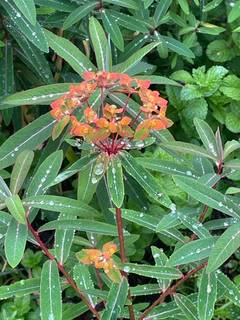
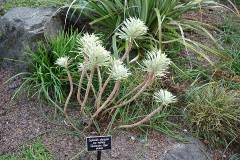
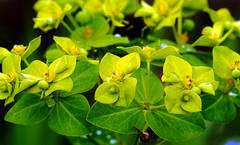
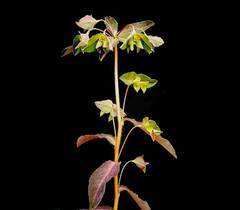
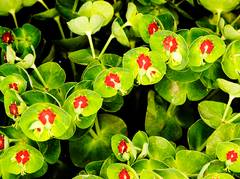
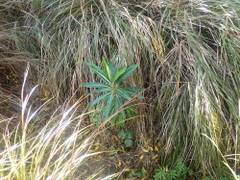
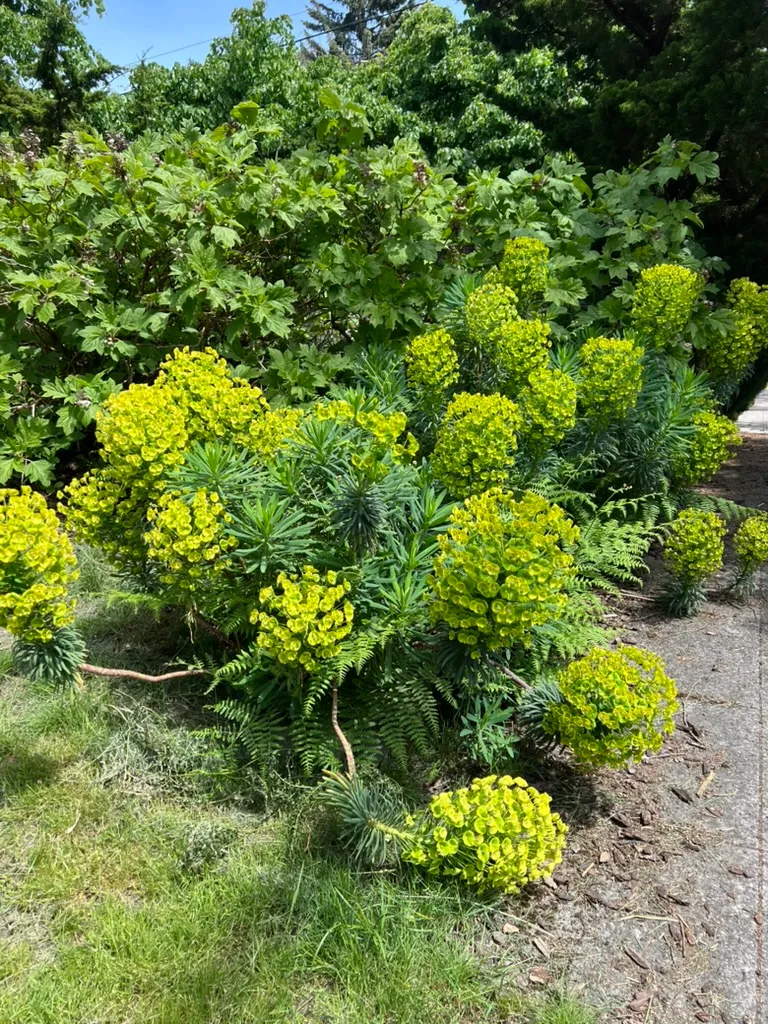
Euphorbia characias ssp. wulfenii is an upright evergreen perennial in the family Euphorbiaceae, reaching 3-5 feet (0.9-1.5 m) tall and wide with narrow blue-gray to gray-green lance-shaped leaves 3-5 inches (7-13 cm) long whorled densely around upright stems in a bottle-brush arrangement. The bottle-brush stem form and the blue-gray evergreen foliage are the recognition features of the subspecies and carry the plant's year-round architectural role in Mediterranean-style gardens where the upright stems give structure through winter months when deciduous perennials have died back. Large yellow-green to chartreuse dome-shaped terminal cyathia clusters 6-12 inches (15-30 cm) across open atop the upright stems during March through May for approximately 6 weeks. The colorful parts of the flower cluster are bracts that surround small cup-shaped structures called cyathia — the true flowers of Euphorbia are tiny and hidden within each cyathium, and the showy yellow-green display is produced by the bract color rather than by petals. Each stem follows a biennial growth cycle within a perennial plant: first-year stems carry foliage growth only and do not flower, second-year stems bloom during spring and then die back after flowering, and the plant maintains a mix of first-year and second-year stems at all times so that some part of the clump flowers each spring while new stems continue growing toward next year's display. Spent flowered stems are cut to the base after bloom fades in June or July, leaving the new first-year stems in place to carry the display forward into the following year. The species is native to the Mediterranean region — southern Europe, Turkey, and North Africa — where it grows on rocky hillsides, garrigue, and open woodland edges on limestone and calcareous soils with hot dry summers and mild wet winters. Sharp drainage is required and crown rot develops in wet winter soils, making the species unsuitable for heavy clay sites or humid summer climates outside its native habitat range. All parts of the plant exude a milky white latex sap when any tissue is cut, scraped, or broken, and the latex contains diterpene esters and other compounds that produce severe skin irritation, blistering, and contact dermatitis on exposed skin and cause intense eye pain and possible corneal damage if transferred to the eyes. The latex sap is the main safety concern associated with the species, and gardening practice around Euphorbia characias needs to account for the risk of sap exposure during routine pruning and handling — the sap burns are well-documented in gardening literature and in emergency department case reports. Deer avoid the foliage because of the sap toxicity. The species is drought-tolerant once established and self-sows in warm climates.
Native Range
Euphorbia characias ssp. wulfenii is native to the eastern Mediterranean region, with a range covering Italy, the Balkans, Greece, and Turkey — the subspecies wulfenii is the eastern Mediterranean form of the species, separated by botanists from the more western ssp. characias that grows in Portugal, Spain, southern France, and Morocco. Both subspecies grow in the same habitats: rocky hillsides, garrigue, maquis shrubland, and open woodland edges on limestone and calcareous soils at low to mid elevations, in the Mediterranean climate pattern of hot dry summers and mild wet winters. The species has been in European garden cultivation since the 18th century and has spread into cultivation in the southern United States, Australia, and other Mediterranean-climate regions outside its native range because the growth habit and cultural requirements align with those climates.Suggested Uses
Planted in Mediterranean-style gardens, dry borders, gravel gardens, xeriscape plantings, coastal gardens, and containers of 5 gallons (19 L) or larger at 3-5 foot (0.9-1.5 m) spacing in zones 7-10. The year-round evergreen bottle-brush foliage structure, the large chartreuse spring flower clusters, and the drought tolerance once established give the subspecies a role as a structural backbone plant in dry sunny plantings where few other perennials carry the same combination of winter presence and spring display. Combined with Rosmarinus officinalis, Lavandula, Cistus, Stipa grasses, and other Mediterranean-climate companions in plantings that share the hot dry summer cultural requirements. Not suited to wet winter soils where crown rot is unavoidable, heavy clay sites without drainage improvements, cold zones below 7 where winter dieback kills established plants, humid summer climates outside the Mediterranean range, or positions along pathways and play areas where children or pets may contact the latex sap during routine garden activity — the sap causes severe skin and eye irritation on contact and is the main safety concern associated with the species.How to Identify
Appearance
Size & Dimensions
Height3' - 5'
Width/Spread3' - 5'
Bloom Information
Large yellow-green to chartreuse dome-shaped terminal cyathia clusters 6-12 inches (15-30 cm) across open atop second-year stems during March, April, and May in zones 7-10, lasting approximately 6 weeks. The colorful parts of the flower cluster are chartreuse-yellow bracts surrounding small cup-shaped cyathia that contain the tiny true flowers — the showy spring display comes from the bract color rather than from petals. Flowers are bee-visited. Each stem flowers only in its second year; first-year stems carry foliage only and flower the following spring, and spent flowered stems are cut to the base after bloom fades in June or July to make room for the new first-year stems to carry the display forward.
Detailed Descriptions
Foliage Description
blue-gray to gray-greenGrowing Conditions
Sun Requirements
Requires 6-10 hours of direct sunlight daily
• Full Sun: 6+ hours of direct sunlight
• Partial Shade: 3-6 hours of direct sunlight
• Full Shade: Less than 3 hours of direct sunlight
Care & Maintenance
Care Guide
Plant in well-drained to sandy soil with a pH of 6.0-8.0 in full sun (6+ hours); tolerated soil types include loam and sand on limestone or calcareous substrates. Sharp drainage is required — crown rot develops in wet winter soils and heavy clay sites produce rapid plant decline, and positions in poorly drained soils need raised beds, substantial grit amendment, or different plant choices. The species is drought-tolerant once established and thrives in Mediterranean-climate conditions of hot dry summers and mild winters, and it is a standard component of xeriscape plantings in California, the southwestern United States, and similar climates. Each stem follows a biennial growth cycle within the perennial plant: first-year stems grow foliage only, second-year stems flower in spring and then die back after bloom, and spent flowered stems are cut to the base during June or July after bloom fades, leaving the new first-year stems in place to flower the following spring. All parts of the plant exude a milky white latex sap when any tissue is cut, scraped, or broken, and the latex causes severe skin irritation, blistering, and contact dermatitis on exposed skin and causes intense eye pain and possible corneal damage if transferred to the eyes. The latex sap is the main safety concern associated with handling the plant — gardening practice around pruning, deadheading, and cut flower use needs to account for the sap hazard, and emergency medical literature records multiple cases of severe eye injuries from gardeners who rubbed their eyes after handling Euphorbia characias without washing their hands first. Deer avoid the foliage because of the sap toxicity. Self-sows in warm climates — seedlings are removed from unwanted positions in spring if the colony is exceeding its intended area.Pruning
Spent flowered stems are cut to the base during June or July after bloom fades — these are the second-year stems that have completed their biennial cycle and will not produce new growth, and removing them clears space for the new first-year stems to continue growing toward next year's flowering. The first-year stems that have not flowered are left in place through the summer and winter to carry next spring's display. Pruning produces abundant milky latex sap from the cut stem ends, and the sap flows freely for several seconds to minutes after each cut — the sap causes severe skin irritation and contact dermatitis on exposed skin and intense eye pain if transferred to the eyes, and sap exposure during pruning is the most common safety incident associated with the species in gardening literature.Pruning Schedule
Prune: June–July
summer
Container Growing
Suitable for container growing
Minimum container size: 5 gallons