Manfreda, Genus, spp., Multiple species,
- Genus
- Multiple species
false agave
Overview
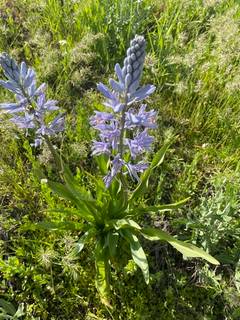
Manfreda is a genus of about 30 succulent perennials in the asparagus family (Asparagaceae), native to Mexico and the southern United States and known as false agaves. Unlike true agaves, the plants carry soft, fleshy, mostly unarmed leaves that arise from a fat underground tuber, and most go dormant in winter. Rosettes are typically 6-18 in (15-45 cm) wide, with lance-shaped leaves 6-24 in (15-60 cm) long that are frequently marked with reddish-brown or purple spots. In summer, a slender flower spike rises 3-6 ft (0.9-1.8 m) above the rosette, carrying tubular greenish, brown, or maroon flowers with long protruding stamens; many are night-scented and draw moths and bats. After flowering, the rosette persists and offsets to form colonies. Plants store water in the tuber and tolerate drought but rot in cold, wet soil. Hardiness varies widely, with some species tender and others root-hardy into temperate gardens.
Native Range
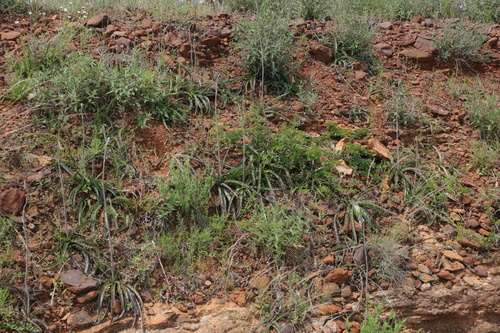
Manfreda ranges from the southern United States, including Texas and parts of the Southeast, through Mexico to Central America, where species grow in grasslands, open woodland, rocky hillsides, and scrub. Several are restricted to limestone soils or seasonally dry habitats.Suggested Uses
Manfreda is grown in rock gardens, gravel and dry borders, succulent containers, and as a spotted-leaf accent among low plantings. Rosettes are spaced 12-18 in (30-45 cm) apart to allow for offsetting. The night-scented flowers suit evening gardens and pollinator plantings.How to Identify
Appearance
Size & Dimensions
Height6" - 1'6"
Width/Spread1' - 1'6"
Bloom Information
Flowering occurs in summer, generally June to August, on a tall spike well above the rosette. Tubular greenish to maroon flowers open over several weeks, many releasing scent at night to attract moths and bats. Capsules with flat black seeds follow, and the rosette survives after blooming, unlike a true agave.
Detailed Descriptions
Flower Description
Greenish, brown, to maroonFoliage Description
Gray-green to green, often spotted reddish-brown or purpleGrowing Conditions
Sun Requirements
Requires 6-10 hours of direct sunlight daily
• Full Sun: 6+ hours of direct sunlight
• Partial Shade: 3-6 hours of direct sunlight
• Full Shade: Less than 3 hours of direct sunlight
Care & Maintenance
Care Guide
Manfreda grows in full sun to part shade in gritty, sharply drained soil with a pH of 6.0-7.5, and needs little water once established. The leaves take some shade better than most succulents, though flowering and leaf spotting are stronger in sun. Wet, cold soil rots the tuber, so winter drainage matters more than minimum temperature. Hardiness ranges from USDA zones 7-11 across the genus, with tuberous species surviving cold where soil stays dry. Plants spread by offsets and are lifted and divided in spring if colonies crowd. Container culture in cactus mix suits gardeners in wet-winter climates.Pruning
Manfreda needs no pruning beyond grooming. Spent flower spikes are cut to the base after the seed capsules ripen, and dried or damaged leaves are removed as the rosette goes dormant. Offsets are separated in spring to manage spread.Container Growing
Suitable for container growing
Minimum container size: 3 gallons