Malus, Genus, 'Van Eseltine', Cultivar,
- Genus
- Cultivar
Van Eseltine crabapple
Overview
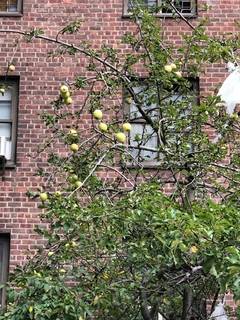
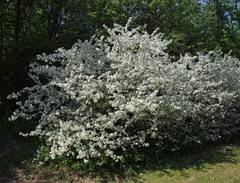
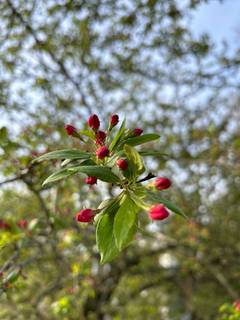
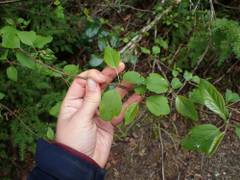
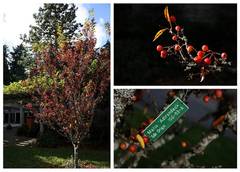
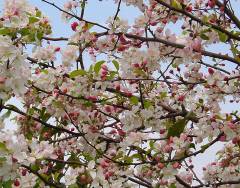
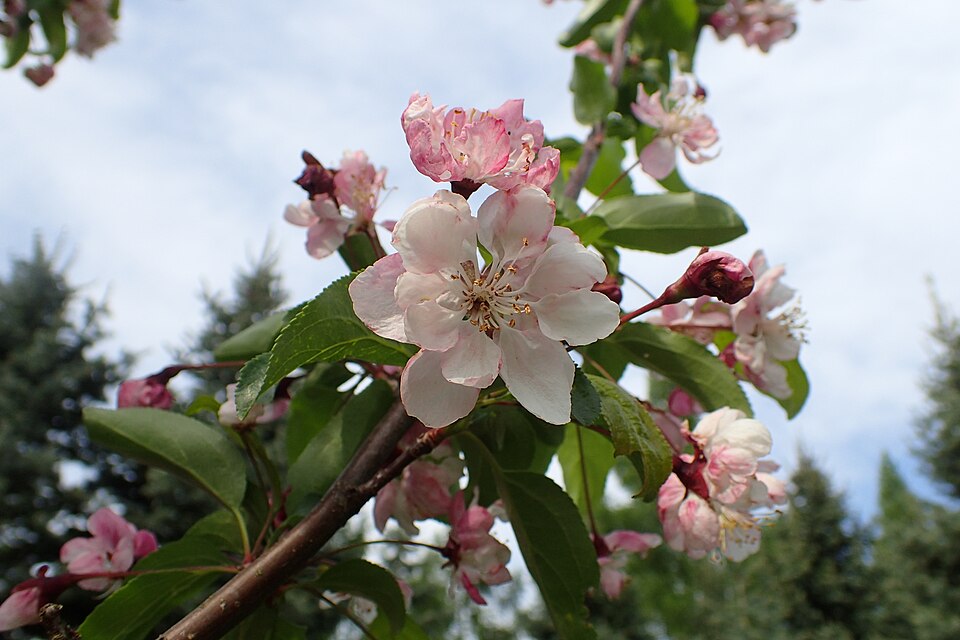
Malus 'Van Eseltine' is a deciduous crabapple with a narrow, upright habit, reaching 18-20 feet (5.5-6 m) tall and 8-10 feet (2.4-3 m) wide. Branches rise steeply from the trunk, giving a columnar outline when young that broadens with age. In mid- to late spring it carries double flowers 1.5-2 inches (4-5 cm) across, each with 12-18 petals opening rose-pink from deep pink buds and fading to pale pink. The flowers are followed by sparse yellow fruit about 0.75 inch (2 cm) wide that ripens in autumn and often persists on bare branches. Leaves are mid-green, oval, and 2-3 inches (5-7.5 cm) long, turning yellow before fall. The tree reaches flowering size within three to four years and full height in ten to fifteen years. The double flowers set little fruit, so the autumn crop is lighter than on single-flowered crabapples. Malus 'Van Eseltine' is prone to apple scab, which spots the leaves and causes early leaf drop in wet springs, and it can produce suckers from the base. The steep branch angles also trap moisture and can split under heavy snow load.
Native Range
Malus 'Van Eseltine' is a garden hybrid raised in the United States in the 1930s and does not occur in the wild. Its parent species belong to the genus Malus, native across the temperate Northern Hemisphere.Suggested Uses
Planted as a flowering specimen in small gardens and along driveways and narrow borders, spaced 10-12 feet (3-3.6 m) apart. Used in mixed plantings and as a seasonal screen in groups. The persistent yellow fruit extends interest into winter and is eaten by birds.How to Identify
Appearance
Size & Dimensions
Height18' - 20'
Width/Spread8' - 10'
Bloom Information
Double flowers open in mid- to late spring, generally late April into May, over a period of two to three weeks. Bloom opens later than many single-flowered crabapples, extending the crabapple season in mixed plantings. Deep pink buds open paler, so flowers of several shades appear on the tree at once.
Detailed Descriptions
Foliage Description
mid-green turning yellowGrowing Conditions
Sun Requirements
Requires 6-12 hours of direct sunlight daily
• Full Sun: 6+ hours of direct sunlight
• Partial Shade: 3-6 hours of direct sunlight
• Full Shade: Less than 3 hours of direct sunlight
Care & Maintenance
Care Guide
Grow in full sun for the heaviest bloom; shade reduces flowering and worsens disease. Set plants in moist, well-drained loam of moderate fertility, with a soil pH between 6.0 and 7.0. Water deeply during dry spells in the first few years until the roots establish. A spring mulch conserves moisture and is kept clear of the trunk. In wet springs the foliage is prone to apple scab, which causes spotting and early leaf fall. Basal suckers and crossing shoots are removed to keep the narrow framework open.Pruning
Prune in late winter while dormant, removing crossing, dead, and inward-growing branches to maintain the upright shape. Basal suckers and watersprouts are taken out as they appear through the season. Light pruning suits this cultivar, as heavy cuts trigger vigorous upright regrowth.Pruning Schedule
Prune: February–March
winterearly spring