Image 1 of 23
1 / 23
Plant Reference
Malus, Genus,
- Genus
crabapple
Temperate Northern Hemisphere — Europe, Asia, North America; most ornamental cultivars are complex hybrids involving Asian species ({M. baccata}, {M. sargentii}, {M. floribunda})
Overview
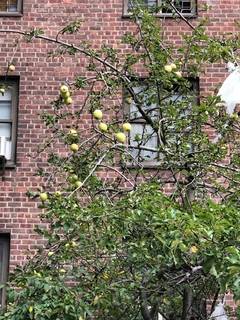
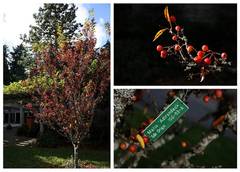
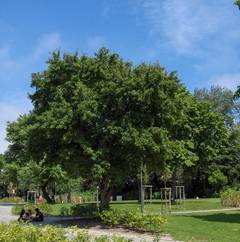
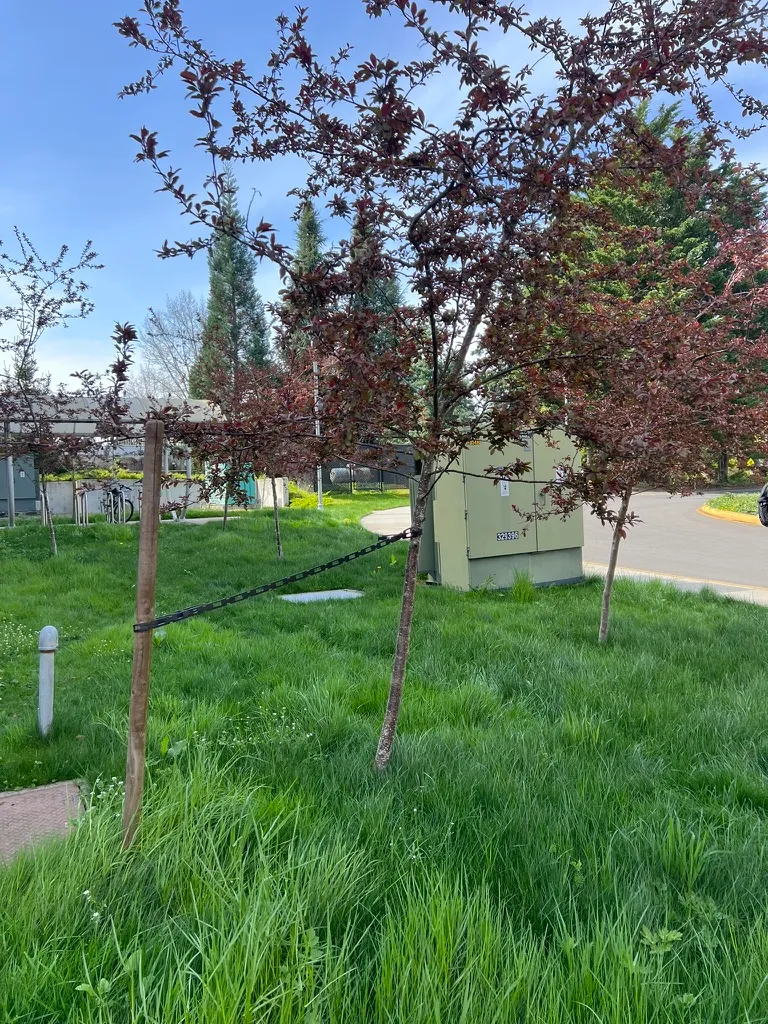
Malus spp. is crabapple (flowering crabapple), a spreading deciduous tree ranging from 8-25 feet (2.4-7.5 m) tall and wide depending on cultivar. Five-petaled flowers 1-2 inches (2.5-5 cm) in white, pink, rose, or red-purple in April-May. Small fruit (pome) 0.25-2 inches (6 mm-5 cm) — fruit under 2 inches (5 cm) distinguishes crabapples from eating apples. Fruit color ranges from yellow to red to purple. In Rosaceae. Genus-level record covering ornamental species and hybrids. Apple scab, fire blight, cedar-apple rust, and powdery mildew are the primary disease concerns — choose disease-resistant cultivars. Non-persistent cultivars with large fruit create seasonal litter — choose persistent small-fruited cultivars. Crabapples serve as pollinators for eating apples. Deer browse. Toxic to pets (seeds contain amygdalin). Drought-tolerant once established. Zones 4-8. Full sun. Growth rate is moderate.
Native Range
Temperate Northern Hemisphere — Europe, Asia, North America. Most ornamental cultivars are complex hybrids involving Asian species (M. baccata, M. sargentii, M. floribunda).Suggested Uses
Grown as a specimen tree, street tree, and pollinator for eating apples spaced 8-25 feet (2.4-7.5 m) depending on cultivar. Spring bloom. Persistent fruit for winter interest and wildlife. Choose disease-resistant cultivars. Toxic to pets. Zones 4-8.How to Identify
Appearance
Size & Dimensions
Height8' - 25'
Width/Spread8' - 25'
Bloom Information
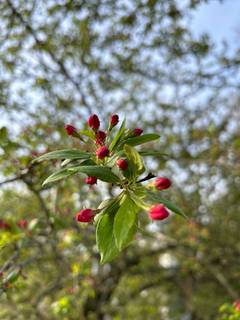
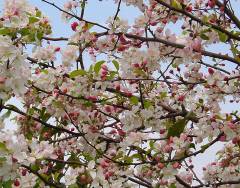
Mid spring (April-May). Five-petaled flowers 1-2 inches (2.5-5 cm) in white, pink, rose, or red-purple. Moderately fragrant. 2 weeks of bloom. Bee- and butterfly-visited. Small fruit follows — persistent or non-persistent depending on cultivar.
Detailed Descriptions
Flower Description
Five-petaled, 1-2 inches (2.5-5 cm) across; white, pale pink, rose-pink, or deep red-purple depending on cultivarFoliage Description
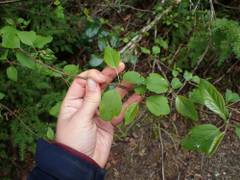
Medium to dark green, alternate, simple, serrated, 2-4 inches (5-10 cm); some cultivars have purple-red foliage; turns yellow to red in fall depending on cultivarGrowing Conditions
Sun Requirements
Requires 6-12 hours of direct sunlight daily
• Full Sun: 6+ hours of direct sunlight
• Partial Shade: 3-6 hours of direct sunlight
• Full Shade: Less than 3 hours of direct sunlight
Care & Maintenance
Care Guide
Full sun (6+ hours). Well-drained soil pH 5.5-6.5. Choose disease-resistant cultivars (scab, fire blight, rust). Persistent small-fruited cultivars reduce litter. Drought-tolerant once established. Prune in late winter (February-March). Deer browse. Toxic to pets (seeds). Zones 4-8.Pruning
Prune in late winter (February-March). Develop an open-center or central-leader form. Remove water sprouts, crossing branches, and dead wood. Remove fire blight-infected branches 12 inches (30 cm) below infection — disinfect tools. Thin interior for air circulation (reduces disease).Pruning Schedule
Prune: February–March
early spring