Malus, Genus, 'Evereste', Cultivar,
- Genus
- Cultivar
Evereste crabapple
Cultivar bred in France by INRA; parentage involves complex hybridization within Malus
Overview
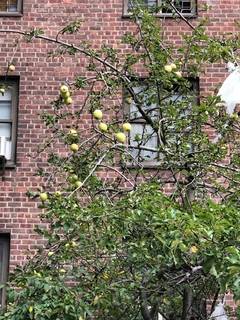
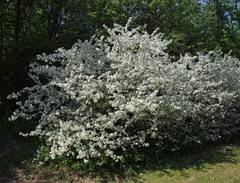
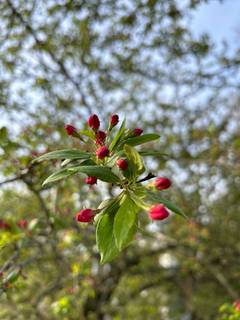
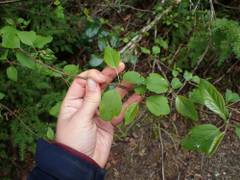
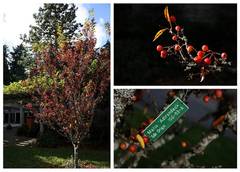
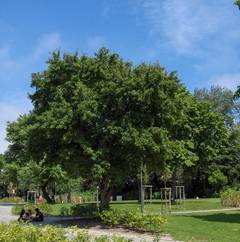
Malus 'Evereste' (synonym 'Perpetu') is a small to medium deciduous tree reaching 15–25 feet (4.5–7.5 m) tall and 15–20 feet (4.5–6 m) wide, with a broadly conical to rounded crown. Flowers are 1.5–2 inches (4–5 cm) across, white, opening from red buds in dense clusters of 5–8 along the branches in April–May. Leaves are alternate, ovate, 2–4 inches (5–10 cm) long, dark green, occasionally 3-lobed on vigorous new shoots in the first season after hard pruning. Fruit is 0.8–1 inch (2–2.5 cm) in diameter, orange-red to red, produced in clusters of 3–6 and retained on the branches from September through March for a 6–7 month display — a fruit persistence at the upper end of the range for ornamental crabapples, where many cultivars drop fruit in December or January. The cultivar carries field-documented resistance to apple scab (Venturia inaequalis), fire blight (Erwinia amylovora), and powdery mildew, reducing the fungicide program required for susceptible crabapples. The pollen of this cultivar is used as a cross-pollinator for commercial dessert-apple orchards because the extended flowering window overlaps with most standard apple cultivars. Growth rate is moderate at 12–18 inches (30–45 cm) per year, reaching mature size in 10 years. Hardy to USDA zone 4. The cultivar was bred in France by INRA (Institut National de la Recherche Agronomique). Not known to be toxic to pets or humans.
Native Range
Malus 'Evereste' is a cultivar bred in France by INRA (Institut National de la Recherche Agronomique) from complex hybrid parentage involving multiple Malus species.Suggested Uses
Used as a specimen tree, street tree, or cross-pollinator for apple orchards at 15–18 foot (4.5–5.5 m) spacing. The 15–20 foot (4.5–6 m) mature crown width requires wider planting positions than columnar crabapples like 'Adirondack'. The 6–7 month fruit persistence from September through March carries visual interest across autumn and winter and feeds birds through winter. In commercial or backyard apple orchards, a specimen planted within 50–100 feet (15–30 m) of dessert apples serves as a cross-pollinator. The cultivar does not grow well in shade, waterlogged soils, or narrow sites under 15 feet (4.5 m) wide.How to Identify
Appearance
Size & Dimensions
Height15' - 25'
Width/Spread15' - 20'
Bloom Information
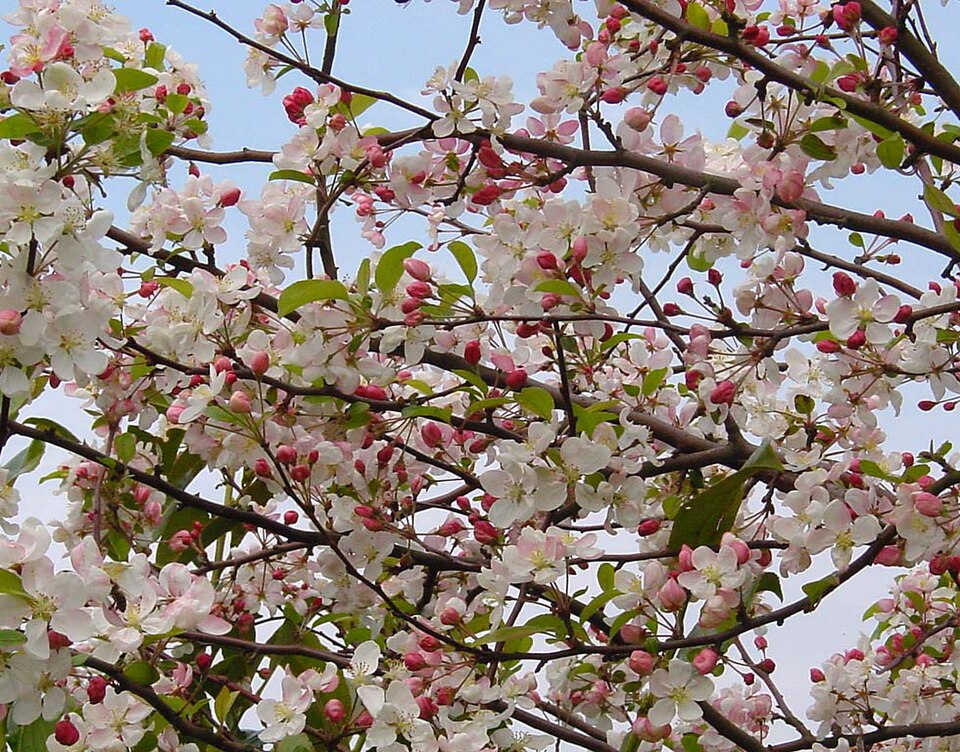
White flowers 1.5–2 inches (4–5 cm) across open from red buds in dense clusters of 5–8 along the branches from mid-April through early May over a 2–3 week window. Fragrance is light. Fruit 0.8–1 inch (2–2.5 cm) ripens to orange-red to red in September and persists on the branches through March, giving a 6–7 month display window.
Detailed Descriptions
Flower Description
White flowers 1.5-2 inches across opening from red buds; in dense clusters of 5-8; April-MayFoliage Description
Dark green; alternate ovate 2-4 inches long; occasionally 3-lobed on vigorous new shootsGrowing Conditions
Sun Requirements
Requires 6-10 hours of direct sunlight daily
• Full Sun: 6+ hours of direct sunlight
• Partial Shade: 3-6 hours of direct sunlight
• Full Shade: Less than 3 hours of direct sunlight
Care & Maintenance
Care Guide
Grow in full sun with 6 or more hours of direct light in well-drained loam, clay, or silt at pH 5.5–7.5. Full sun is required for flower bud formation, fruit set, and for the disease-resistance traits to perform. Water deeply once per week during the first two growing seasons, then reduce to supplemental irrigation during extended drought. Apply a balanced fertilizer in early spring at 1 tablespoon per square foot (30 g/m²) of root zone. The cultivar carries field-documented resistance to apple scab, fire blight, and powdery mildew. When planted within 50–100 feet (15–30 m) of a commercial apple orchard, the pollen functions as a cross-pollinator for standard dessert-apple cultivars. Hardy to USDA zone 4.Pruning
Prune in late winter (February–March) while the tree is fully dormant. Develop a central leader during the first 3–5 years of training. Established trees need minimal pruning beyond removal of crossing, dead, or damaged branches, plus removal of water sprouts and basal suckers. The naturally broadly conical form does not require shaping cuts.Pruning Schedule
Prune: February–March
winter