Lobelia, Genus, spp., Multiple species,
- Genus
- Multiple species
lobelias
Worldwide; concentrated in the Americas and Africa
Overview
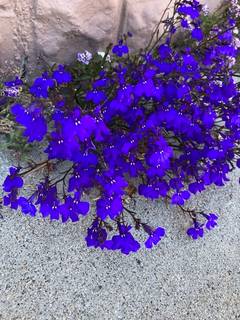
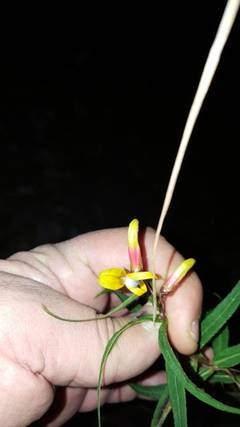
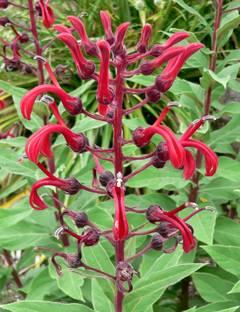
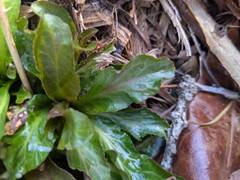
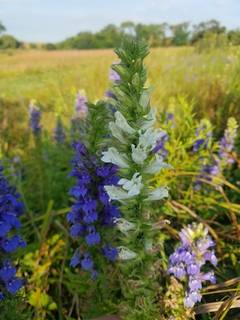
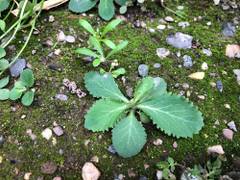
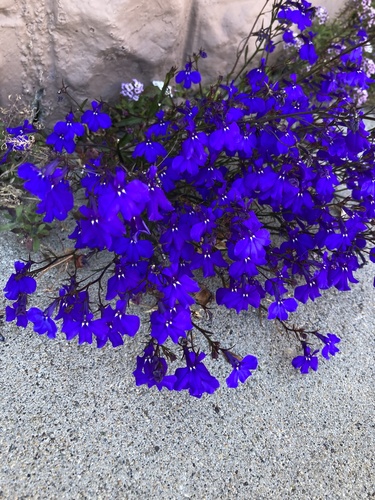
Lobelia is a genus of about 400 species in the bellflower family (Campanulaceae), spread across temperate and tropical regions worldwide. Growth forms range widely, from low trailing annuals only a few inches (5–10 cm) high to upright perennials 3–4 feet (90–120 cm) tall and, in the mountains of East Africa, giant unbranched rosettes several feet (1–3 m) high. The flowers are tubular and two-lipped, with the corolla split so that three lobes spread below and two stand above; colours include blue, violet, red, white, and pink. Familiar members include the blue edging annual L. erinus, the red-flowered cardinal flower L. cardinalis, and the great blue lobelia L. siphilitica, several of which grow in wet meadows and along streams. All parts contain piperidine alkaloids such as lobeline that are toxic to people and animals if eaten and can irritate skin. Flowers are carried in upright spikes or loose clusters and are visited by bees, butterflies, and hummingbirds. Many species need consistently moist or wet soil, and most are short-lived, persisting through self-seeding rather than long-lived crowns. Leaf shape and plant size vary so much between species that the genus is hard to characterise by foliage alone.
Native Range
Lobelia occurs on every inhabited continent, with major concentrations in the Americas and in Africa. Species grow in wet meadows, woodland edges, streambanks, and tropical mountains, from sea level to high altitude.Suggested Uses
Lobelia species are grown in borders, bog and pond margins, containers, and hanging baskets, depending on the type. Red and blue perennial species are planted in moist borders and rain gardens, while L. erinus is used as edging and in mixed container plantings. The wetland species suit pondside and streamside plantings.How to Identify
Appearance
Size & Dimensions
Height4" - 6'
Width/Spread6" - 2'
Bloom Information
Most species flower from early summer into autumn, with tall perennial kinds blooming over several weeks as the spike opens from the bottom upward. Annual bedding species flower almost continuously through the warm months. Hummingbirds pollinate the red-flowered species, while bees and butterflies work the blue and white ones.
Detailed Descriptions
Flower Description
Blue, violet, red, white, or pinkFoliage Description
GreenGrowing Conditions
Sun Requirements
Requires 4-8 hours of direct sunlight daily
• Full Sun: 6+ hours of direct sunlight
• Partial Shade: 3-6 hours of direct sunlight
• Full Shade: Less than 3 hours of direct sunlight
Water & Climate
Water Needs