Overview
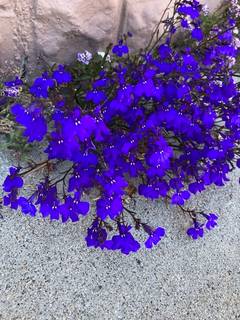
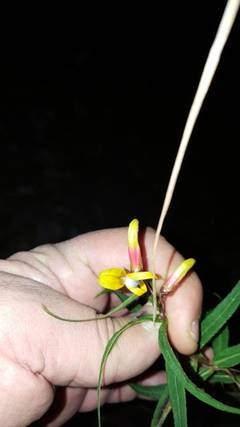
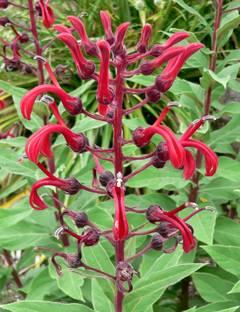
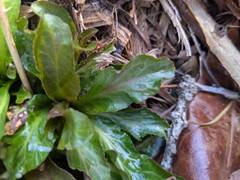
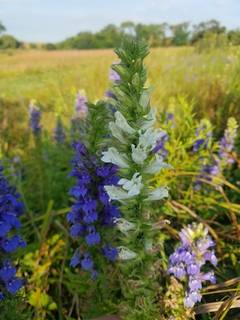
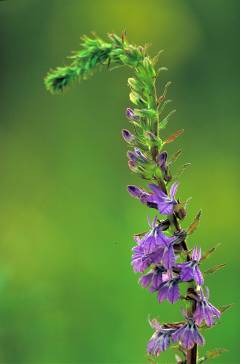
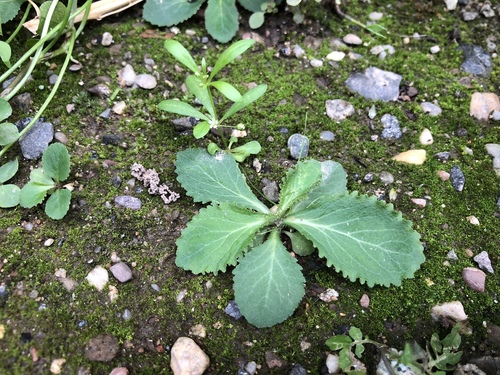
Indian tobacco is an upright annual or biennial in the bellflower family, growing 6-36 inches (15-90 cm) tall and 6-12 inches (15-30 cm) wide on a single hairy, branched stem. The light green leaves are oval to lance-shaped, 1-3 inches (2.5-8 cm) long, with toothed margins and a sparse covering of hairs. Small two-lipped flowers about 0.25-0.33 inch (6-8 mm) long open pale blue to violet, sometimes nearly white, in loose spikes along the upper branches. After flowering, the base of each flower swells into a rounded, inflated seed capsule that gives the plant its species name and ripens full of tiny brown seeds. Lobelia inflata flowers from midsummer into early autumn, then dies after setting seed, returning the next year from self-sown seedlings. It grows in open, disturbed ground such as fields, clearings, and roadsides, and tends to appear and fade as conditions shift rather than holding a fixed place. All parts contain lobeline and related alkaloids and are toxic if eaten, with a long history of use as an emetic herb. The plant has little presence in the garden outside of native, medicinal, and naturalistic plantings.
Native Range
Native to eastern and central North America, from Labrador and Ontario south to Georgia and west to the Great Plains. Lobelia inflata grows in fields, woodland clearings, pastures, and along roads and trails on open, disturbed soil.Suggested Uses
Grown in native-plant, medicinal, and naturalistic gardens and in meadow or restoration plantings where a self-seeding annual fits open ground. Its toxicity keeps it out of plantings meant for children or grazing animals. It works as a filler among sturdier perennials rather than as a feature.How to Identify
Appearance
Size & Dimensions
Height6" - 3'
Width/Spread6" - 1'
Bloom Information
Detailed Descriptions
Flower Description
pale blue to violetFoliage Description
light greenGrowing Conditions
Sun Requirements
Requires 4-8 hours of direct sunlight daily
• Full Sun: 6+ hours of direct sunlight
• Partial Shade: 3-6 hours of direct sunlight
• Full Shade: Less than 3 hours of direct sunlight
Water & Climate
Water Needs
Care & Maintenance
Care Guide
Grows in full sun to part shade in average, moist, well-drained soil with a pH from 5.0 to 7.0. Seed needs light to germinate and sprouts on open, disturbed ground in spring. The plant tolerates poor soils and short dry spells but stays small and sets seed early under drought. No feeding is needed, and it self-sows where the soil stays open and uncrowded. Because it is monocarpic, each plant dies once seed ripens, and the stand depends on fresh seedlings each year. Seedlings move poorly, so plants are left where they germinate rather than transplanted.Pruning
No pruning is needed for this short-lived plant. Spent stems are pulled or cut at ground level once seed has shed in autumn. Leaving a few capsules to scatter seed keeps the planting going from year to year.Container Growing
Suitable for container growing
Toxicity Warning
Toxic to pets and humansPlanting Guide
Planting Methods & Timing
Planting Method
direct sow
Direct Sow Timing
spring
Plant Spacing
8 inches