Lobelia, Genus, gibbosa, Species,
- Genus & species
tall lobelia
Overview
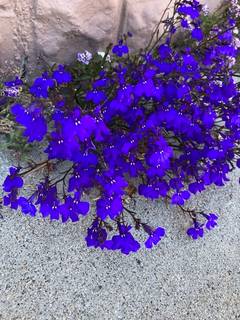
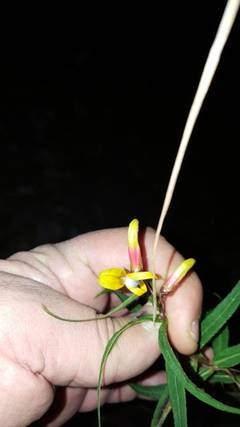
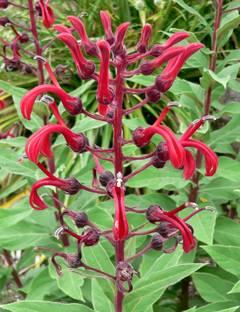
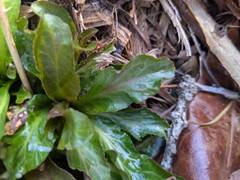
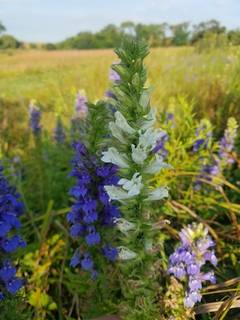
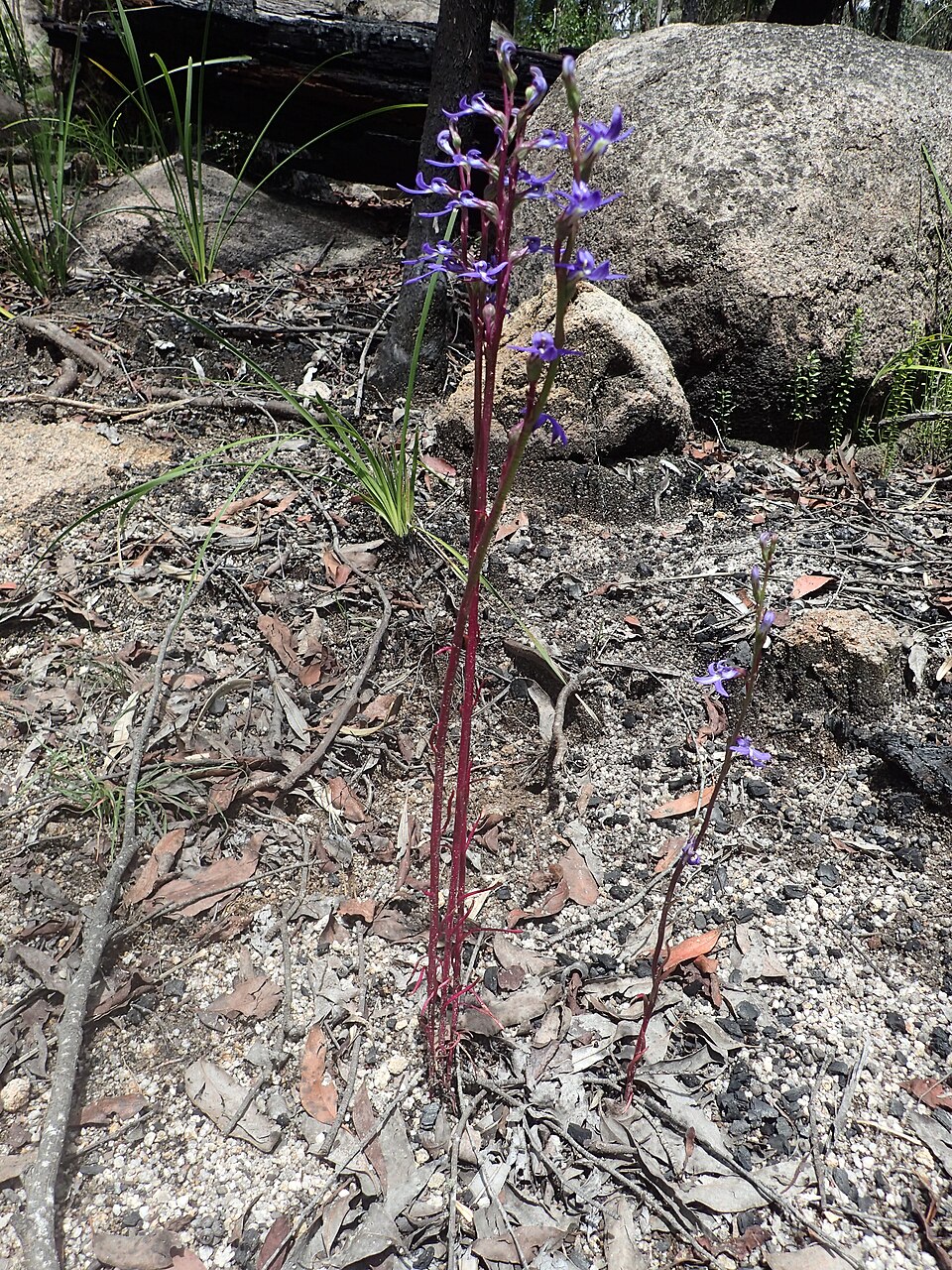
Lobelia gibbosa is an erect annual herb in the family Campanulaceae, growing 6-20 inches (15-50 cm) tall on a single unbranched or sparingly branched stem. The narrow, linear to lance-shaped leaves 0.4-1.6 inches (1-4 cm) long are scattered along the lower stem and often wither by flowering time. Blue to purple two-lipped flowers about 0.6-1 inch (1.5-2.5 cm) long are arranged along one side of the upper stem, each with three spreading lower lobes and two narrow upper lobes, and a curved tube. Flowering occurs in spring and summer. The flowers are followed by inflated capsules that release many small seeds. Growth is rapid, with plants completing their cycle in one season. The species grows in heath, grassland, and open woodland on sandy and gravelly soils, often appearing in numbers after fire or disturbance. Plants are slender and sparse, with most of the visible structure being the flowering stem rather than foliage.
Native Range
Native to southern and eastern Australia, including Western Australia, South Australia, Victoria, New South Wales, Queensland, and Tasmania. Grows in heathland, grassland, and open woodland on sandy and gravelly soils, often on seasonally moist flats.Suggested Uses
Planted in native meadow and heath gardens, rockeries, and seasonal wildflower plantings at 6-10 inch (15-25 cm) spacing. Suited to sandy, free-draining sites and informal naturalistic plantings. Grows in containers of at least 2 gallons (8 L) with a gritty mix.How to Identify
Appearance
Size & Dimensions
Height6" - 1'8"
Width/Spread4" - 8"
Bloom Information
Flowers in spring and summer (September to January in its native range), with the timing depending on rainfall and, in many areas, on recent fire. Individual plants flower over several weeks. Flowering is heavier in moist seasons and in open, sunny sites.
Detailed Descriptions
Flower Description
Blue to purpleFoliage Description
Mid-greenGrowing Conditions
Sun Requirements
Requires 6-10 hours of direct sunlight daily
• Full Sun: 6+ hours of direct sunlight
• Partial Shade: 3-6 hours of direct sunlight
• Full Shade: Less than 3 hours of direct sunlight
Water & Climate
Water Needs
Care & Maintenance
Care Guide
Grow from seed sown in autumn or spring onto a moist, free-draining seedbed in full sun. Plants tolerate sandy and gravelly soils and need sharp drainage, as they rot in wet ground. Water lightly during dry spells while plants are growing; the cycle ends naturally as seed sets. No serious pests affect the species, though damping-off can kill seedlings in wet, crowded conditions. Like other Lobelia species, the plant contains alkaloids that are toxic if eaten. Plants are annual and die after flowering, returning from self-sown seed.Pruning
No pruning is needed, as plants are annual and short. Spent flowering stems can be left to set and drop seed, or removed once seed has shed. Removing stems before seed sets reduces self-sowing.Container Growing
Suitable for container growing
Minimum container size: 2 gallons
Toxicity Warning
Toxic to pets and humansPlanting Guide
Planting Methods & Timing
Planting Method
direct sow
Direct Sow Timing
Autumn or spring
Plant Spacing
8 inches