Lobelia, Genus, tupa, Species,
- Genus & species
Devil's tobacco
Central Chile (dry coastal scrub, volcanic hillsides, open grasslands; 500-3000 ft / 150-900 m)
Overview
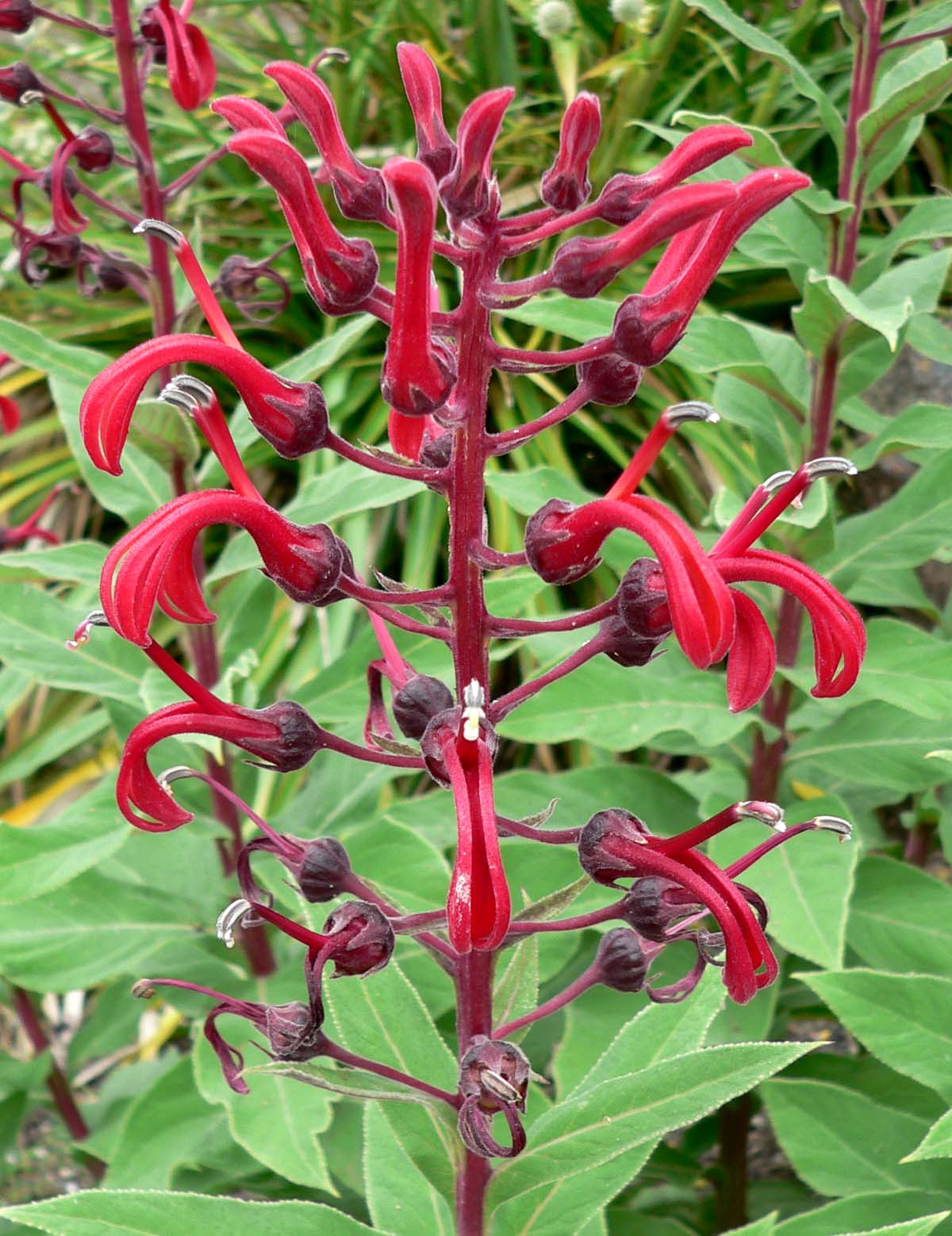
Lobelia tupa is a large clump-forming herbaceous to sub-shrubby perennial reaching 48–72 inches (1.2–1.8 m) tall with a spread of 24–36 inches (60–90 cm). This Chilean native carries stout erect unbranched stems clothed in downy gray-green lance-shaped leaves 6–10 inches (15–25 cm) long that supply a strong architectural foliage character across the growing season. Tubular claw-shaped flowers 1.5–2 inches (4–5 cm) long with recurved upper lips run brick-red to blood-red and are arranged in dense terminal racemes 12–18 inches (30–45 cm) long from July through September. The foliage and stems exude a milky latex sap when cut—historically used as a narcotic tobacco substitute by the Mapuche people of central Chile, which is the origin of the common name 'devil's tobacco'. The sap is toxic and irritating to skin and mucous membranes, which requires standard handling practices during pruning and cutting operations. Dies back to the base in winter in zones 7–8; semi-evergreen behavior extends into zone 9 and warmer. Growth rate is fast once established. Hardy to zone 7.
Native Range
Lobelia tupa is native to central Chile, growing in dry coastal scrub, volcanic hillsides, and open grasslands at 500–3,000 feet (150–900 m) elevation. The species has been used ethnobotanically by the Mapuche people of central and southern Chile as a narcotic tobacco substitute—the alkaloid lobelanidine contained in the leaves produces effects similar to nicotine, and the plant's common name in Spanish ('tabaco del diablo' / 'devil's tobacco') reflects this historical medicinal and ceremonial use.Suggested Uses
Planted as a back-of-border accent, architectural vertical element, or specimen in dry borders and Mediterranean-style gardens at 24–36 inch (60–90 cm) spacing in zone-7-and-warmer gardens. The tall stature combined with dense brick-red flower racemes creates a vertical accent that reads across large garden distances. Gray-green downy foliage supplies architectural texture independent of the bloom window, which extends the species' ornamental value across the full growing season. Toxic milky sap requires careful positioning—garden areas near play zones, pet runs, or zones of frequent handling are poor fits for the species because contact with the sap causes skin irritation and the plant material should not be chewed or ingested. May run short-lived in wet winter climates where root rot develops. Wet soils, exposed cold positions, zones below 7, and play-area or high-contact positions are poor fits for the species.How to Identify
Appearance
Size & Dimensions
Height4' - 6'
Width/Spread2' - 3'
Bloom Information
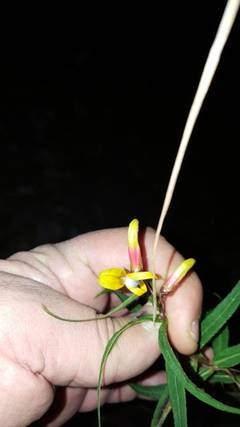
Tubular claw-shaped flowers 1.5–2 inches (4–5 cm) long with recurved upper lips open brick-red to blood-red in color in dense terminal racemes 12–18 inches (30–45 cm) long from July through September. Active bloom duration is 8–10 weeks across the summer-to-fall window. The vertical raceme structure carries the species' primary ornamental value during the active bloom period and functions as a vertical architectural element in back-of-border plantings.
Detailed Descriptions
Flower Description
Brick-red to blood-red; tubular claw-shaped 1.5-2 inches with recurved upper lips; dense terminal racemes 12-18 inchesFoliage Description
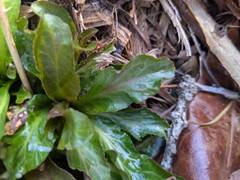
Gray-green, downy, lance-shaped 6-10 inches; stout erect stems; milky toxic sapGrowing Conditions
Sun Requirements
Requires 6-10 hours of direct sunlight daily
• Full Sun: 6+ hours of direct sunlight
• Partial Shade: 3-6 hours of direct sunlight
• Full Shade: Less than 3 hours of direct sunlight
Care & Maintenance
Care Guide
Full sun in well-drained average to dry soil (pH 6.0–7.5) matches the species' cultivation needs. Hardy to zone 7 (0°F / −18°C). Sharp drainage is non-negotiable—root rot occurs in wet winter conditions and is the primary cause of premature loss in humid-climate gardens. Drought tolerance runs strong once the species is established from first-season irrigation. A warm sheltered position with southern or western exposure extends the species' reliable cultivation into the cold edge of zone 7. Winter mulch over the crown reduces cold loss in zone 7 marginal plantings. The milky sap is toxic and irritates skin and mucous membranes on contact—handling during pruning and deadheading operations is done with gloves as practical precaution.Pruning
All dead stems are cut to the base in early spring as new basal growth emerges. In zones 7–8 the dead stems are left standing through winter to provide crown protection and cleared only after the last hard frost passes. Spent flower racemes are deadheaded to tidy the plant during the active bloom window. Handling during all cutting operations is done with gloves as practical precaution because the milky sap irritates skin on contact.Pruning Schedule
Prune: March
early spring