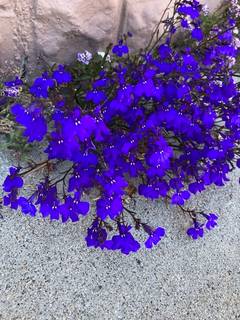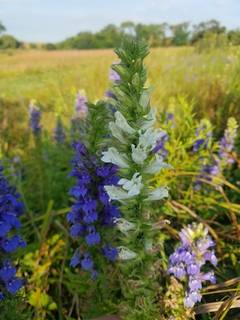
Lobelia, Genus, laxiflora, Species, var., Variety, angustifolia, Variety,
- Genus & species
- Variety
narrow-leaved Mexican lobelia
Mexico, Central America (Guatemala, Honduras; dry rocky slopes, oak-pine woodlands, volcanic soils; 3000-8000 ft / 900-2400 m)
Overview
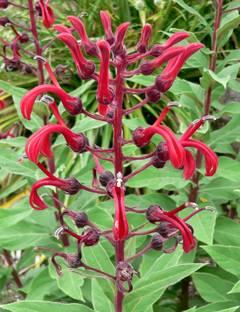
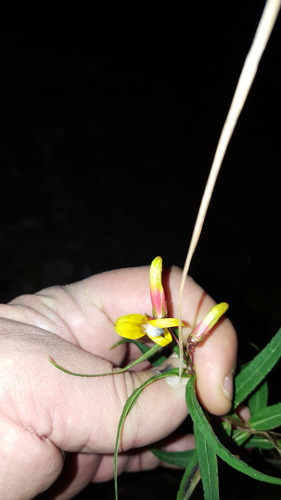
Lobelia laxiflora var. angustifolia is a semi-evergreen, rhizomatous, sub-shrubby perennial reaching 24–36 inches (60–90 cm) tall with a spread of 24–36 inches (60–90 cm). This Mexican and Central American native spreads by underground rhizomes to form a loose, upright colony. The narrow, linear-lanceolate leaves are 2–4 inches (5–10 cm) long and only 0.2–0.4 inches (5–10 mm) wide—narrower than the species type (var. angustifolia = narrow-leaved). The tubular, two-lipped flowers are 1.5–2 inches (4–5 cm) long, bicolored red and yellow: the upper lip and tube are red to red-orange, the lower lip flares yellow. Flowers are produced in loose, terminal racemes from April through October in mild climates. The foliage and stems exude a milky sap when cut. Growth rate is moderate. Hardy to zone 7.
Native Range
Lobelia laxiflora var. angustifolia is native to Mexico and Central America (Guatemala, Honduras), in dry, rocky, open slopes, oak-pine woodlands, and volcanic soils at 3,000–8,000 feet (900–2,400 m) elevation. Also naturalized in parts of the southwestern United States.Suggested Uses
Planted in dry borders, Mediterranean-style gardens, hummingbird gardens, and rock gardens at 18–24 inch (45–60 cm) spacing. The bicolored red-and-yellow tubular flowers attract hummingbirds. The long bloom season (April–October in mild climates) fills a sustained color gap. Spreads by rhizomes—may require containment. The milky sap is an irritant. Not hardy below zone 7. Not suitable for wet soils, heavy clay, or positions where spreading is unwanted.How to Identify
Appearance
Size & Dimensions
Height2' - 3'
Width/Spread2' - 3'
Bloom Information
Tubular, two-lipped flowers 1.5–2 inches (4–5 cm) long in loose terminal racemes, bicolored red/red-orange upper lip and yellow lower lip, from April through October in mild climates. Bloom duration is 20–24 weeks in frost-free areas. In colder zones, bloom is concentrated from May through September.
Detailed Descriptions
Flower Description
Bicolored tubular: red to red-orange upper lip and tube, yellow flared lower lip; 1.5-2 inches longFoliage Description
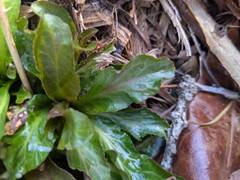
Medium green, narrow linear-lanceolate 2-4 inches long, 5-10 mm wide; milky sap when cutGrowing Conditions
Sun Requirements
Requires 5-10 hours of direct sunlight daily
• Full Sun: 6+ hours of direct sunlight
• Partial Shade: 3-6 hours of direct sunlight
• Full Shade: Less than 3 hours of direct sunlight
Care & Maintenance
Care Guide
Plant in full sun to partial shade in well-drained, average to dry soil (pH 6.0–7.5). Hardy to zone 7. Tolerates drought once established. Requires well-drained soil—root rot occurs in wet winter conditions. Spreads by rhizomes—may colonize beyond intended boundaries. The milky sap is irritating to skin and eyes. Cut back frost-damaged stems in early spring.Pruning
Cut back frost-damaged or winter-tattered stems to the base in early spring as new growth emerges from the rhizomes. Deadhead spent flower racemes to encourage continued bloom. Control spread by removing unwanted rhizomatous shoots.Pruning Schedule
Prune: March
early spring
Container Growing
Suitable for container growing
Minimum container size: 5 gallons