Liatris, Genus, pycnostachya, Species,
- Genus & species
prairie blazing star
Overview
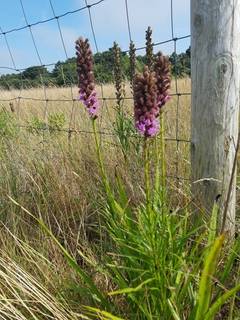
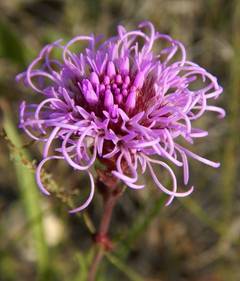
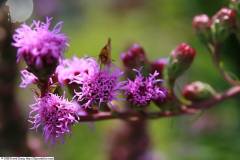
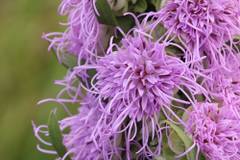
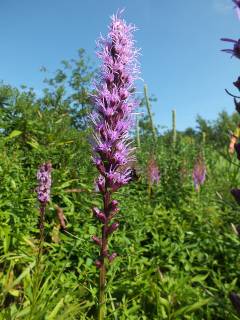
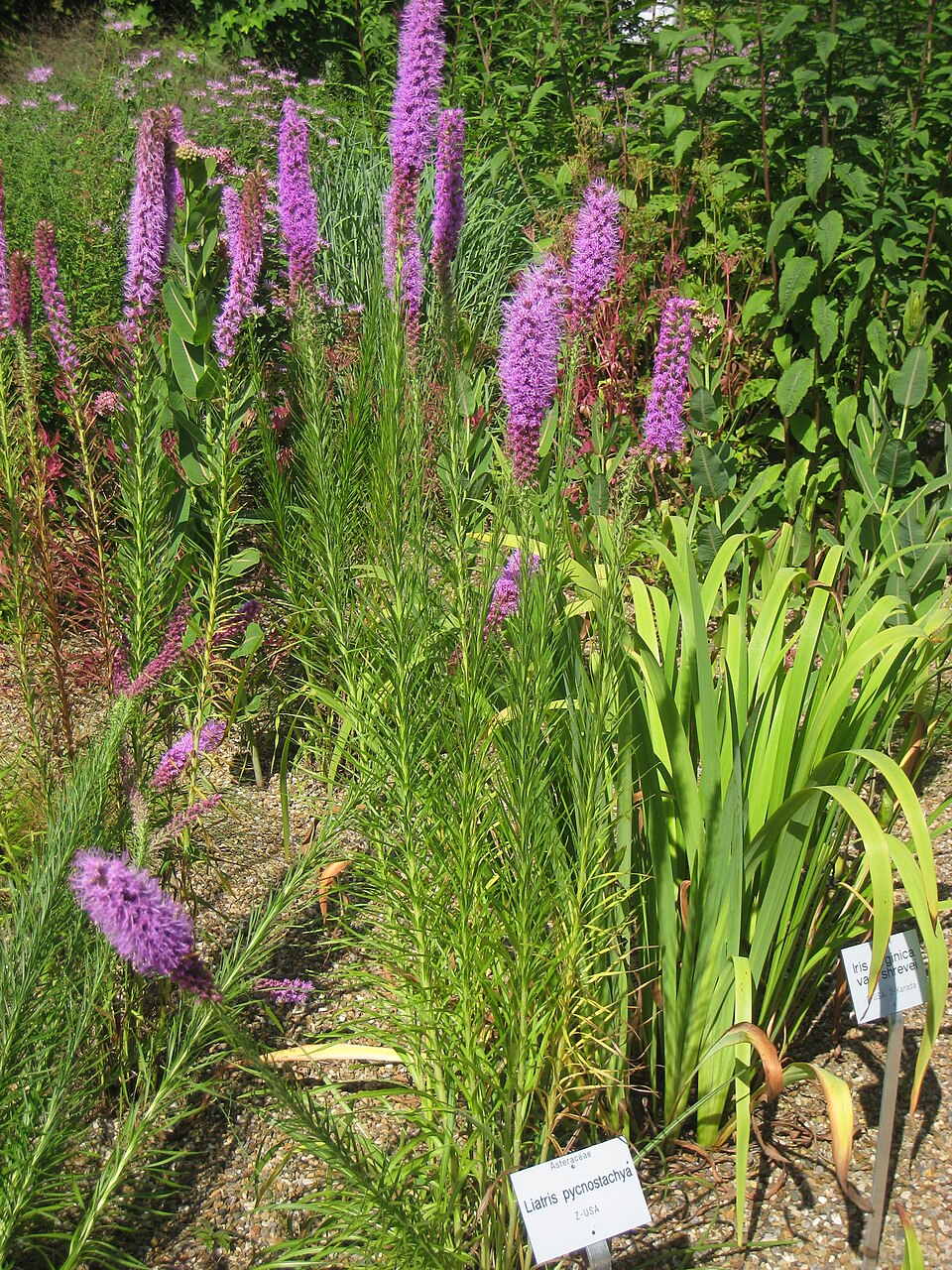
Liatris pycnostachya is an upright herbaceous perennial in the aster family, growing 2-5 feet (0.6-1.5 m) tall from a thickened corm. The stems are leafy, with narrow, grasslike leaves 4-12 inches (10-30 cm) long that crowd the lower stem and shorten upward. A dense, cylindrical spike of rose-purple flower heads, 6-18 inches (15-45 cm) long, tops each stem in summer and opens from the top downward, the reverse of most spike-flowering plants. Each small head holds 5-12 disc florets and no ray florets. The fruit is a slender seed tipped with feathery bristles. It grows in tallgrass prairies, moist meadows, and open ground across the central United States. The tall, dense spikes can bend or fall over in rich soil, shade, or wind, so plants often need support or an open, sunny site.
Native Range
Liatris pycnostachya is native to the central United States, from Minnesota and the Dakotas south to Louisiana and Texas. It grows in tallgrass prairies, moist meadows, and low open ground.Suggested Uses
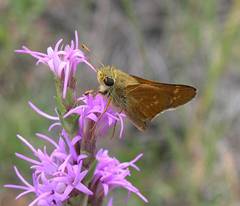
Used in prairie plantings, meadows, pollinator borders, and cut-flower gardens. The summer spikes draw butterflies, bees, and hummingbirds, and the seeds feed finches. Space plants 12-18 inches (30-45 cm) apart in full sun.How to Identify
Appearance
Size & Dimensions
Height2' - 5'
Width/Spread1' - 1'6"
Bloom Information
Rose-purple spikes open in summer, generally July to September, lasting about 3-4 weeks per plant. The flower heads open from the top of the spike downward. Seeds with feathery bristles follow in fall.
Detailed Descriptions
Foliage Description
greenGrowing Conditions
Sun Requirements
Requires 6-12 hours of direct sunlight daily
• Full Sun: 6+ hours of direct sunlight
• Partial Shade: 3-6 hours of direct sunlight
• Full Shade: Less than 3 hours of direct sunlight
Care & Maintenance
Care Guide
Grows in full sun in moist to average, well-drained soil with a pH near 6.0-7.5, and tolerates clay and seasonal moisture better than many blazing stars. The corm withstands short dry spells once established, though the plant grows tallest with steady moisture. Rich soil and shade produce weak stems that flop. No routine feeding is needed. It can be left undisturbed for years and slowly forms larger clumps from offset corms.Pruning
Cut spent flower spikes after bloom to limit self-sowing or leave them for seed-eating birds. Cut the stems to the ground in late fall or winter once the foliage dies back. Plants in rich soil can be cut back by a third in late spring to reduce flopping.Pruning Schedule
Prune: November
fallwinter
Container Growing
Suitable for container growing
Minimum container size: 3 gallons