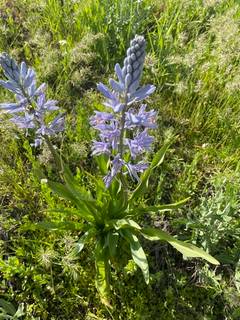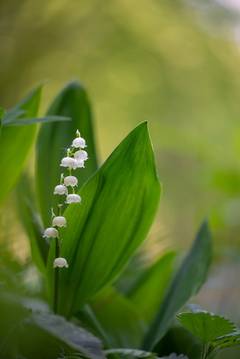
Ledebouria, Genus, spp., Multiple species,
- Genus
- Multiple species
ledebouria
Sub-Saharan Africa, with a few species in India and Madagascar
Overview
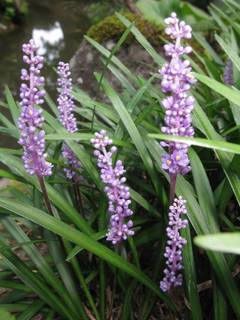
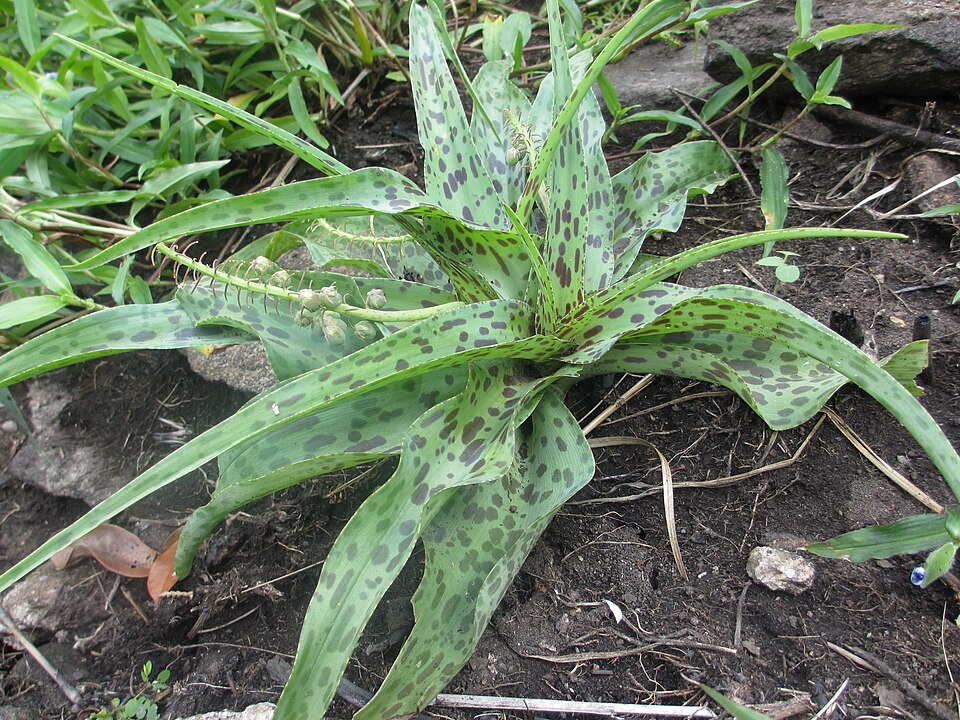
Ledebouria is a genus of about 50 bulbous geophytes in the family Asparagaceae, native chiefly to sub-Saharan Africa with a few species in India and Madagascar. Plants grow from small bulbs, often sitting partly above the soil surface, and form spreading clumps as they produce offsets. The leaves are lance-shaped to strap-like, 2-10 in (5-25 cm) long, and many species carry green foliage marked with silver, grey, or dark spots and bands, sometimes with purple undersides. Short racemes of small bell- or star-shaped flowers in green, pink, or purple rise on slender stalks 4-16 in (10-40 cm) tall, mainly in spring and summer. The widely grown L. socialis, silver squill, has silver-mottled leaves with purple backs and forms dense colonies of exposed bulbs. The genus grows in grassland, woodland, and rocky sites that are seasonally dry, and most species tolerate drought by dying back to the bulb. All parts contain bufadienolide compounds that are poisonous if eaten by people or animals. Cold tolerance is limited, with most species suited to USDA zones 9 to 11.
Native Range
Ledebouria is native mainly to sub-Saharan Africa, from South Africa north through tropical Africa, with a few species in India, Sri Lanka, and Madagascar. Plants occur in seasonally dry grassland, open woodland, and rocky ground.Suggested Uses
Ledebouria species are grown as houseplants, container subjects, and rock-garden bulbs in mild climates, grown for their patterned foliage. The clumps of surface bulbs suit shallow pots and dish gardens. In frost-free areas the genus is used as a drought-tolerant groundcover.How to Identify
Appearance
Size & Dimensions
Height4" - 1'4"
Width/Spread4" - 1'
Bloom Information
Detailed Descriptions
Flower Description
green, pink, or purpleFoliage Description
green with silver markingsGrowing Conditions
Sun Requirements
Requires 3-6 hours of direct sunlight daily
• Full Sun: 6+ hours of direct sunlight
• Partial Shade: 3-6 hours of direct sunlight
• Full Shade: Less than 3 hours of direct sunlight
Care & Maintenance
Care Guide
Ledebouria species grow in bright, filtered light to part sun in gritty, free-draining soil with a pH near 6.0 to 7.0. They follow a seasonal cycle, growing and flowering in the warm months and resting as the soil dries. Watering is reduced or stopped during the dormant period to prevent bulb rot. Most species are frost-sensitive and grow outdoors in USDA zones 9 to 11; in colder regions they are grown as houseplants or in containers moved under cover. The clumps of offset bulbs can be divided when crowded. All parts are poisonous if eaten.Pruning
Faded flower stalks and dried leaves are removed as the plant enters dormancy. No structural pruning is needed for these bulbous plants. Offsets can be separated during repotting to control clump size.Container Growing
Suitable for container growing
Minimum container size: 1 gallons