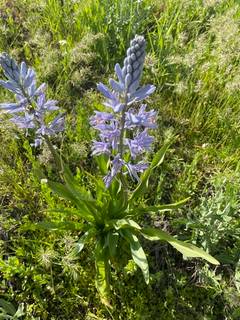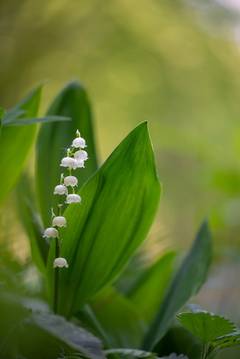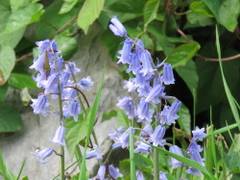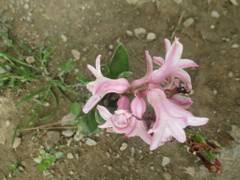
Lachenalia, Genus, spp., Multiple species,
- Genus
- Multiple species
Cape cowslips
Overview
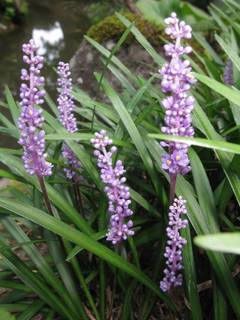
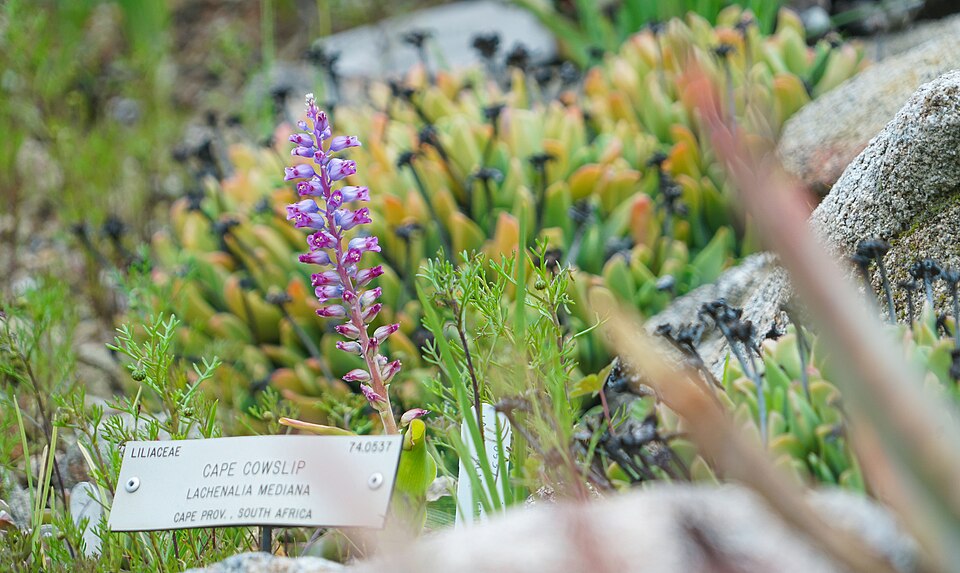
Lachenalia is a genus of roughly 130 bulbous perennials in the family Asparagaceae, native almost entirely to the winter-rainfall regions of South Africa and southern Namibia. Each bulb produces one or two strap- or lance-shaped basal leaves, often spotted or banded with purple or brown, and a single upright flower spike 4-12 inches (10-30 cm) tall. The tubular or bell-shaped flowers, 0.4-1 inch (1-2.5 cm) long, hang or spread along the stem in dense racemes and span a wide color range across the genus, including yellow, orange, red, green, blue, and white, often with contrasting tips. Growth follows the Mediterranean-type pattern of the Cape: bulbs sprout with autumn rains, flower in winter and early spring, then die back to dormancy through the dry summer. Most species are frost-tender and are grown as pot plants or as outdoor bulbs only in frost-free, summer-dry climates. They multiply readily by offset bulbs and by seed. Overwatering during summer dormancy rots the bulbs, the most common cause of failure in cultivation.
Native Range
Native to South Africa and southern Namibia, concentrated in the winter-rainfall Cape, on sandy flats, rocky slopes, and seasonal seeps.Suggested Uses
Grown as winter-flowering pot bulbs for cool greenhouses, windowsills, and conservatories. In frost-free, summer-dry climates they are planted in rock gardens, raised beds, and gravel. The wide color range makes them collectible among bulb enthusiasts.How to Identify
Appearance
Size & Dimensions
Height4" - 1'
Width/Spread3" - 6"
Bloom Information
Detailed Descriptions
Flower Description
yellow, orange, red, blue, or whiteFoliage Description
green, often spotted purpleGrowing Conditions
Sun Requirements
Requires 4-8 hours of direct sunlight daily
• Full Sun: 6+ hours of direct sunlight
• Partial Shade: 3-6 hours of direct sunlight
• Full Shade: Less than 3 hours of direct sunlight
Care & Maintenance
Care Guide
Grows in full sun to light shade on sharply drained sandy soil with a pH near 5.5-7.0. Plants are watered as growth begins in autumn and kept evenly moist through the winter flowering season. Water is withheld once the leaves yellow in late spring, and the dormant bulbs are kept dry and warm through summer. Frost protection is needed below about 25 F (-4 C). Bulbs are lifted and divided, or potted offsets separated, during summer dormancy. Excess summer moisture is the main cause of bulb rot.Pruning
Spent flower spikes are cut away after blooming to redirect energy to the bulb. The leaves are left to yellow and wither naturally, feeding next season growth. No other pruning is required.Pruning Schedule
Prune: April–May
late spring
Container Growing
Suitable for container growing
Minimum container size: 1 gallons