Rhododendron, Genus, 'Karen', Cultivar,
- Genus
- Cultivar
Karen Azalea
Overview
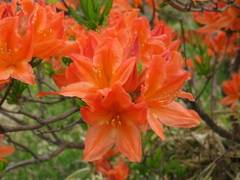
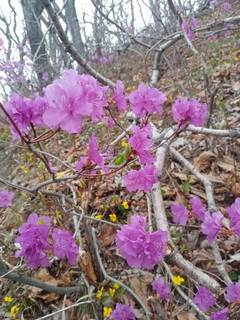
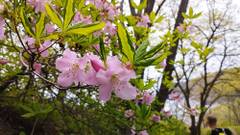
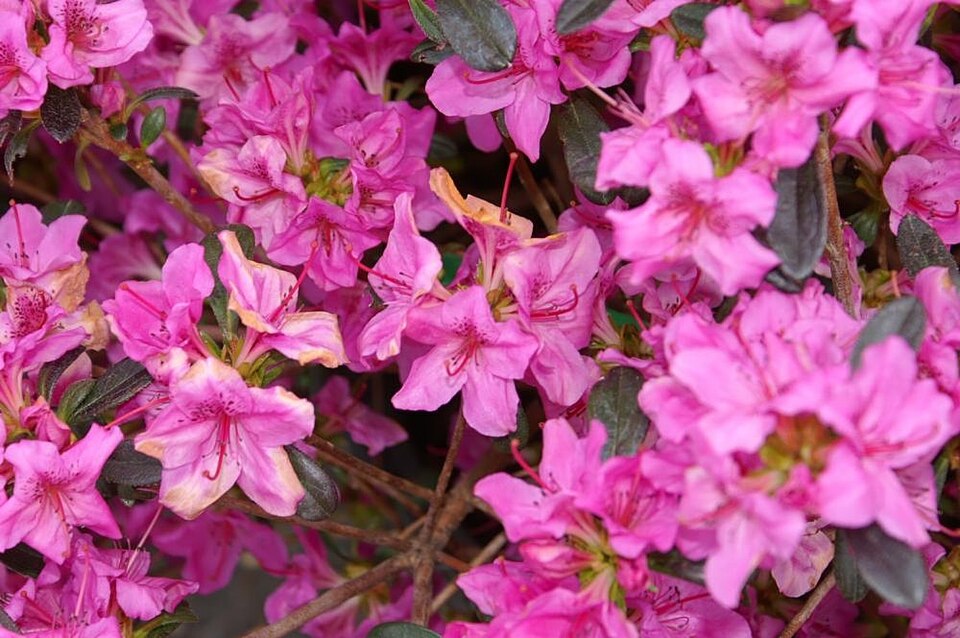
Rhododendron 'Karen' is a semi-evergreen azalea in the Gable group, reaching 3-4 feet (90-120 cm) tall and 3-4 feet (90-120 cm) wide in a dense, rounded mound. Lavender-purple flowers about 2 inches (5 cm) across open in a hose-in-hose form during a single mid-spring flush from April to May. Leaves are 1-1.5 inches (2.5-4 cm) long, dark green in summer and bronzing in winter, with part of the foliage dropping in cold climates. It tolerates colder winters than typical evergreen azaleas, growing in USDA zones 6 to 9, but it blooms only once and sets next year's buds the previous summer, so a hard late frost reduces the display. Acidic, well-drained soil between pH 4.5 and 6.0 is required; foliage yellows with interveinal chlorosis at higher pH. All parts contain grayanotoxins toxic to pets and humans if eaten. It flowers most heavily in part sun with 4-6 hours of direct light.
Native Range
This azalea is a hybrid of garden origin and does not occur in the wild. Its parentage traces to evergreen azalea species native to East Asia, chiefly Japan, southern China, and Korea.Suggested Uses
Used in foundation plantings, woodland edges, and low hedges, spaced 3-4 feet (90-120 cm) apart. The semi-evergreen habit holds some leaves through winter in milder zones.How to Identify
Appearance
Size & Dimensions
Height3' - 4'
Width/Spread3' - 4'
Bloom Information
Blooms once in mid-spring, from April to May, in a single flush lasting about three weeks. Flower buds set the previous summer, so a hard late frost can reduce the display. Plants do not rebloom later in the season.
Detailed Descriptions
Foliage Description
Dark greenGrowing Conditions
Sun Requirements
Requires 4-6 hours of direct sunlight daily
• Full Sun: 6+ hours of direct sunlight
• Partial Shade: 3-6 hours of direct sunlight
• Full Shade: Less than 3 hours of direct sunlight
Care & Maintenance
Care Guide
Grows in part sun and flowers most heavily with 4-6 hours of direct light, with bloom thinning in deep shade. Requires acidic soil between pH 4.5 and 6.0 that drains freely while holding even moisture around its shallow, fibrous roots. Water deeply through the first two growing seasons and during summer dry spells. A 2-3 inch (5-7.5 cm) layer of pine bark or pine straw mulch conserves moisture and maintains soil acidity. Where soil pH rises above 6.0, leaves show interveinal yellowing that calls for an acidifying amendment. Lace bugs and spider mites can stipple foliage in hot, exposed positions.Pruning
Prune within three weeks after the spring flush, before next year's flower buds form. Light shaping maintains the rounded outline, while hard cuts reduce the following spring's bloom. Established plants tolerate cutting back by up to one-third to renew density.Pruning Schedule
Prune: May–June
late spring
Container Growing
Suitable for container growing
Minimum container size: 5 gallons