Jovibarba, Genus, spp., Multiple species,
- Genus
- Multiple species
beard houseleek
Overview
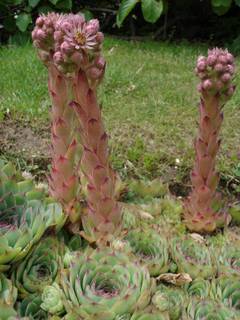
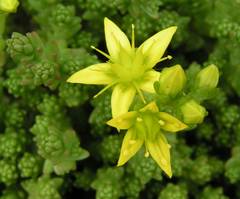
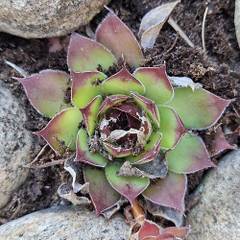
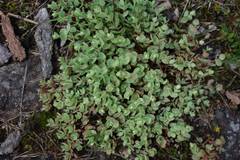
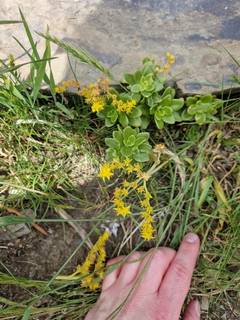
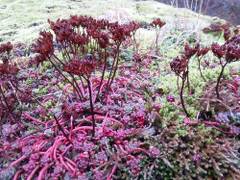
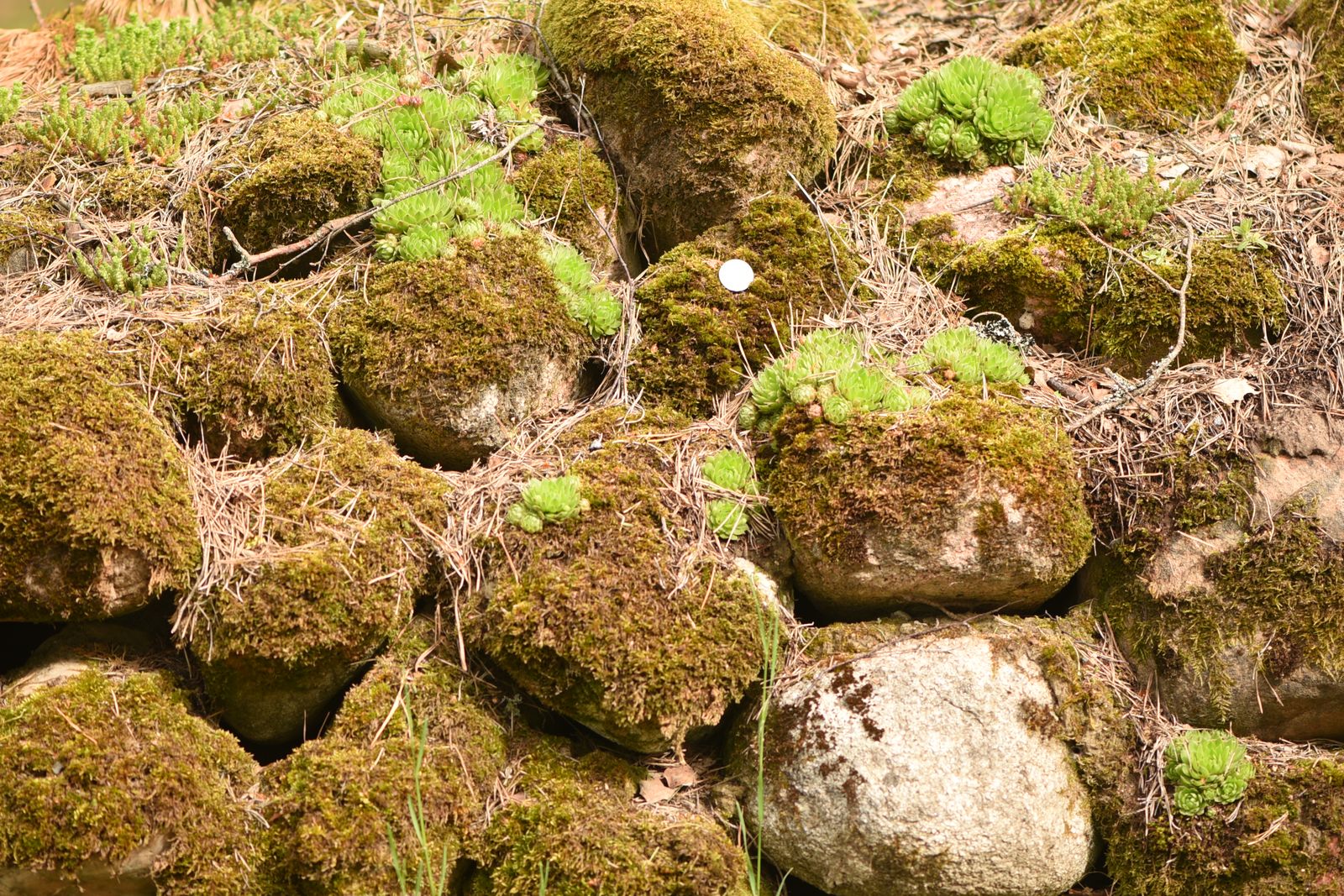
Jovibarba is a small genus of evergreen, rosette-forming succulents in the family Crassulaceae, native to the mountains of central and southeastern Europe. Often treated as close relatives of houseleeks (Sempervivum), the plants form tight rosettes of fleshy, pointed leaves 1-3 inches (2.5-8 cm) across that cluster into low, spreading mats. Leaves are green, often flushed red or bronze at the tips and edges, especially in cold or bright conditions. In the J. globifera group, new rosettes form as loosely attached rollers that detach and roll away to root nearby, while J. heuffelii multiplies by splitting the rosette itself. Mature rosettes send up a stout stalk 4-8 inches (10-20 cm) tall bearing bell-shaped, pale greenish-yellow flowers with fringed petals; the flowering rosette then dies, leaving its offsets to continue. The genus grows on rocky alpine slopes, cliffs, and screes in thin, gritty soil. Plants are fully frost-hardy and need full sun and sharp drainage, rotting in wet or shaded ground. The pale bell flowers separate Jovibarba from the pink, star-flowered true houseleeks.
Native Range
Jovibarba is native to the mountains of central and southeastern Europe, from the Alps through the Carpathians to the Balkans. Plants grow on rocky slopes, cliffs, screes, and other thin, well-drained alpine soils.Suggested Uses
Jovibarba is grown in rock gardens, troughs, alpine pans, green roofs, and wall crevices, and in shallow containers among other hardy succulents. Its tight, frost-hardy rosettes suit cold-climate gardens where tender succulents fail.How to Identify
Appearance
Size & Dimensions
Height2" - 8"
Width/Spread6" - 1'
Bloom Information
Jovibarba flowers in summer, generally June through August, though only mature rosettes bloom and many years pass before a given rosette flowers. The bell-shaped, pale greenish-yellow flowers are held in a tight cluster on an upright stalk. After flowering, that rosette dies and is replaced by its surrounding offsets.
Detailed Descriptions
Foliage Description
green flushed red or bronzeGrowing Conditions
Sun Requirements
Requires 6-12 hours of direct sunlight daily
• Full Sun: 6+ hours of direct sunlight
• Partial Shade: 3-6 hours of direct sunlight
• Full Shade: Less than 3 hours of direct sunlight
Care & Maintenance
Care Guide
Grow Jovibarba in full sun on gritty, sharply drained soil, including troughs, crevices, and rock gardens. Water sparingly; established plants tolerate drought and rot in damp, shaded, or poorly drained ground. No feeding is needed, as lean conditions keep the rosettes tight and well-colored. Remove the dead rosette after flowering, leaving the offsets to fill the gap. The plants are fully hardy, surviving hard frost and snow cover without protection. Wet winters are more damaging than cold ones.Pruning
Jovibarba needs no pruning. Pull away the spent rosette after it flowers and dies, and lift and replant crowded offsets in spring or summer to renew a colony. Detached rollers can be set on gritty soil, where they root readily.Container Growing
Suitable for container growing
Minimum container size: 1 gallons