Sempervivum, Genus,
- Genus
hens and chicks
Europe and western Asia — from the Alps and Pyrenees through the Balkans, Caucasus, and Turkey; rocky outcrops, cliff faces, and alpine scree
Overview
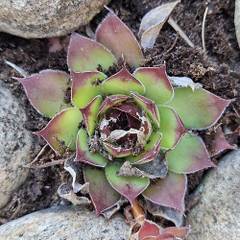
Sempervivum spp. is hens and chicks (houseleek), a low spreading evergreen succulent growing 1-12 inches (2.5-30 cm) tall (rosettes 1-4 inches / 2.5-10 cm; flower stems to 12 inches / 30 cm) and 12-24 inches (30-60 cm) wide. Star-shaped flowers 0.5-0.75 inch (1.3-2 cm) in pink, red, yellow, or white in flat-topped clusters on stout leafy stems in June-August (6 weeks). Thick fleshy pointed leaves in tight symmetrical rosettes — color varies by cultivar (green, silver, red, purple, bronze, near-black). In Crassulaceae. Sempervivum = always alive. About 40 species and over 4,000 cultivars from Europe and western Asia. The mother rosette (hen) is monocarpic — it dies after flowering, but the surrounding offset rosettes (chicks) survive and fill the gap. This monocarpic habit means individual rosettes are expendable, but the colony persists. Crown rot in wet winter soil or poor drainage — requires sharp drainage. Traditionally planted on European roof tiles. Deer-resistant. Drought-tolerant. Non-toxic. Zones 3-9. Full sun. Growth rate is slow to moderate.
Native Range
Native to Europe and western Asia — from the Alps and Pyrenees through the Balkans, Caucasus, and Turkey. Found on rocky outcrops, cliff faces, and alpine scree.Suggested Uses
Grown in rock gardens, green roofs, stone walls, alpine troughs, and in containers of at least 1 gallon (3.8 L), spaced 12-24 inches (30-60 cm). Sharp drainage. Drought-tolerant. Non-toxic. Zones 3-9.How to Identify
Appearance
Size & Dimensions
Height1" - 1'
Width/Spread1' - 2'
Bloom Information
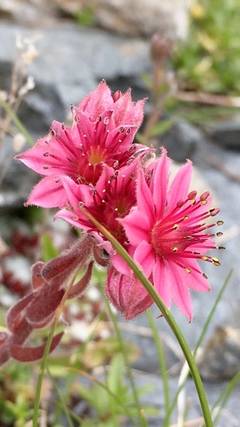
Midsummer (June-August). Star-shaped flowers in pink, red, yellow, or white in flat-topped clusters on stout leafy stems 4-12 inches (10-30 cm). 6 weeks. The flowering rosette is monocarpic (dies after bloom). Bee-visited.
Detailed Descriptions
Flower Description
Pink, red, yellow, or white; star-shaped with many narrow petals, 0.5-0.75 inch (1.3-2 cm), in flat-topped clusters on stout leafy hairy stems 4-12 inches (10-30 cm)Foliage Description
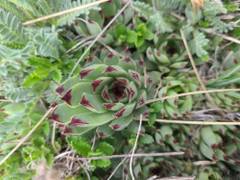
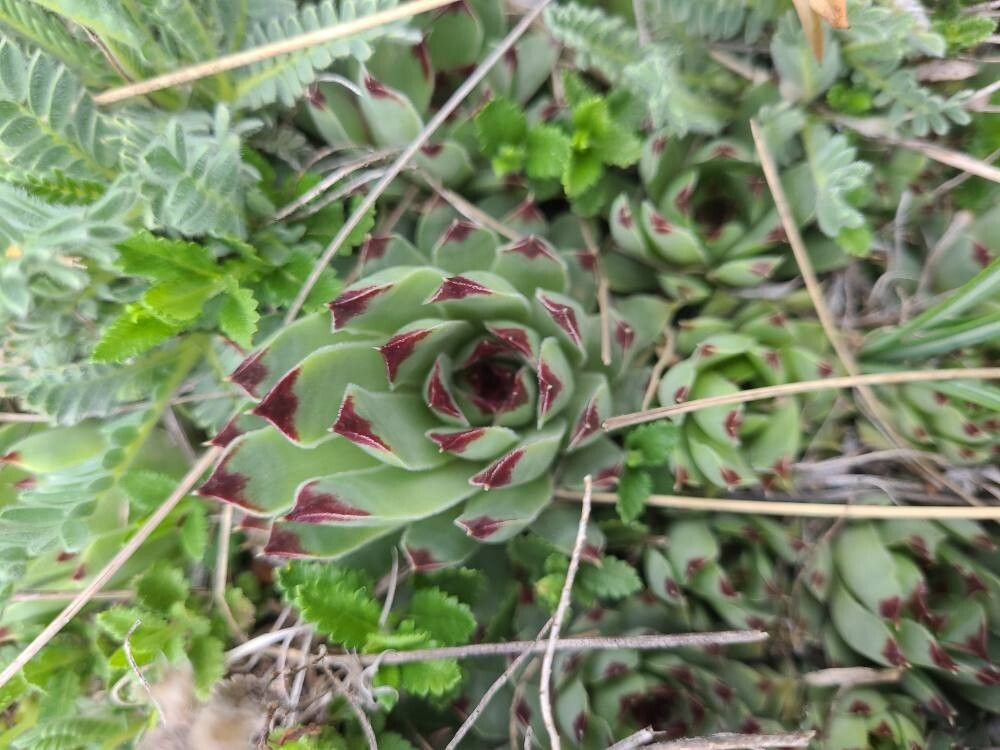
Thick, fleshy, pointed, in tight symmetrical rosettes 1-4 inches (2.5-10 cm); color varies by cultivar — green, silver, red, purple, bronze, near-black, often with contrasting tips; color intensity increases with sun exposure and cool temperatures; over 4,000 named cultivarsGrowing Conditions
Sun Requirements
Requires 4-12 hours of direct sunlight daily
• Full Sun: 6+ hours of direct sunlight
• Partial Shade: 3-6 hours of direct sunlight
• Full Shade: Less than 3 hours of direct sunlight
Care & Maintenance
Care Guide
Full sun to partial shade (4-12 hours). Extremely well-drained sandy, rocky, or gritty soil pH 6.0-7.5. Crown rot in wet conditions. Drought-tolerant. Remove dead monocarpic rosettes after bloom. Over 4,000 cultivars. Non-toxic. Deer-resistant. Zones 3-9.Pruning
Remove spent monocarpic flowering rosettes (August) after the stalk withers. Offset chicks fill the gap. No other pruning needed.Pruning Schedule
Prune: August
summer
Container Growing
Suitable for container growing
Minimum container size: 1 gallons