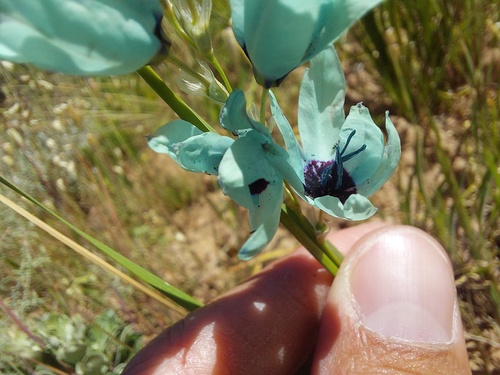
Ixia, Genus, spp., Multiple species,
- Genus
- Multiple species
corn lilies
South Africa, primarily the Cape Floristic Region
Overview
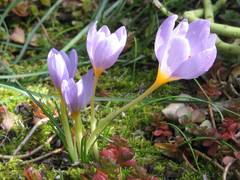
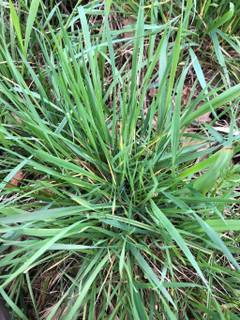
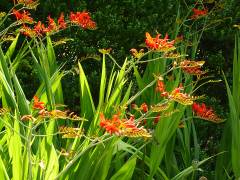
Ixia is a genus of about 50 to 80 cormous geophytes in the iris family, native to South Africa. Plants grow from small corms, producing fans of narrow, grass-like leaves 8 to 16 inches (20 to 40 cm) long and wiry flowering stems that reach 12 to 24 inches (30 to 60 cm). Each stem carries a spike of 6 to 20 star-shaped flowers, each 1 to 2 inches (2.5 to 5 cm) across, in white, pink, red, orange, yellow, and bicolored forms, many with a contrasting dark central eye. Flowers open in full sun and close in dull weather or in the evening. The genus is winter-growing and summer-dormant, dying back to the corm during the dry season, and the deciduous foliage reappears with autumn rains. Ixia tolerates only light frost; in climates colder than USDA zone 8 the corms are lifted or grown in containers. The narrow leaves and thin stems give little wind resistance, and tall-stemmed forms bend under heavy rain or in exposed sites. Soil must drain freely, as corms rot in cold, wet ground during dormancy.
Native Range
Ixia is native to South Africa, concentrated in the winter-rainfall Cape Floristic Region of the Western Cape, with a few species extending into the Eastern Cape. Most species grow on sandstone or clay slopes and seasonally moist flats that dry out in summer.Suggested Uses
Grown in spring borders, gravel gardens, and rock gardens in mild-winter climates, and in containers where winters are cold. Cut stems are used in fresh arrangements, where the spikes open in sequence over several days. Massed plantings space corms 2 to 3 inches (5 to 8 cm) apart.How to Identify
Appearance
Size & Dimensions
Height1' - 2'
Width/Spread4" - 6"
Bloom Information
Across the genus, flowering runs from early to late spring, mainly September to November in the native range and April to June in Northern Hemisphere cultivation. Each spike opens over 2 to 3 weeks, with individual flowers lasting several days. Blooms open in direct sun and close in shade or overcast conditions.
Detailed Descriptions
Flower Description
white, pink, red, orange, yellow, often with a dark central eyeFoliage Description
greenGrowing Conditions
Sun Requirements
Requires 6-10 hours of direct sunlight daily
• Full Sun: 6+ hours of direct sunlight
• Partial Shade: 3-6 hours of direct sunlight
• Full Shade: Less than 3 hours of direct sunlight
Care & Maintenance
Care Guide
Grow in full sun and sharp-draining sandy or loam soil. Corms are planted 2 to 3 inches (5 to 8 cm) deep in autumn for spring bloom. Water during the winter growing season and withhold water once foliage yellows in late spring, keeping corms dry through summer dormancy. In USDA zones 8 and warmer corms overwinter in the ground; in colder zones they are lifted after foliage dies down or grown in containers moved under cover. Corms left in cold, wet soil during dormancy are prone to rot. Clumps multiply by offsets and can be divided when dormant.Pruning
No structural pruning is needed. Spent flower spikes are removed after bloom, and yellowing foliage is left intact until fully dry so the corm can reabsorb nutrients. Cutting foliage while still green reduces corm size and the next season's flowering.Container Growing
Suitable for container growing
Minimum container size: 1 gallons