Hydrangea, Genus, serrata, Species, 'Preziosa', Cultivar,
- Genus & species
- Cultivar
Preziosa hydrangea
Japan/Korea; hybrid (H. serrata × H. macrophylla)
Overview
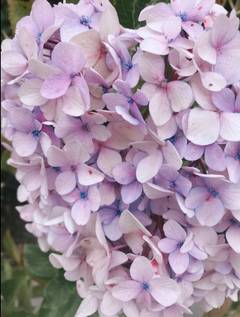
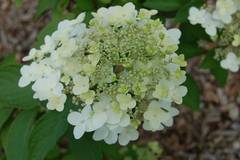
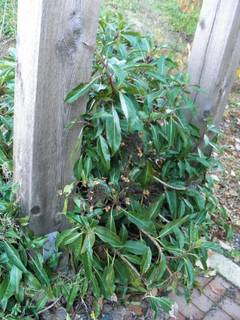
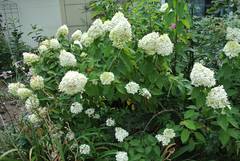
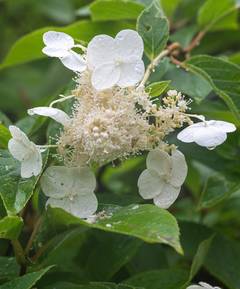
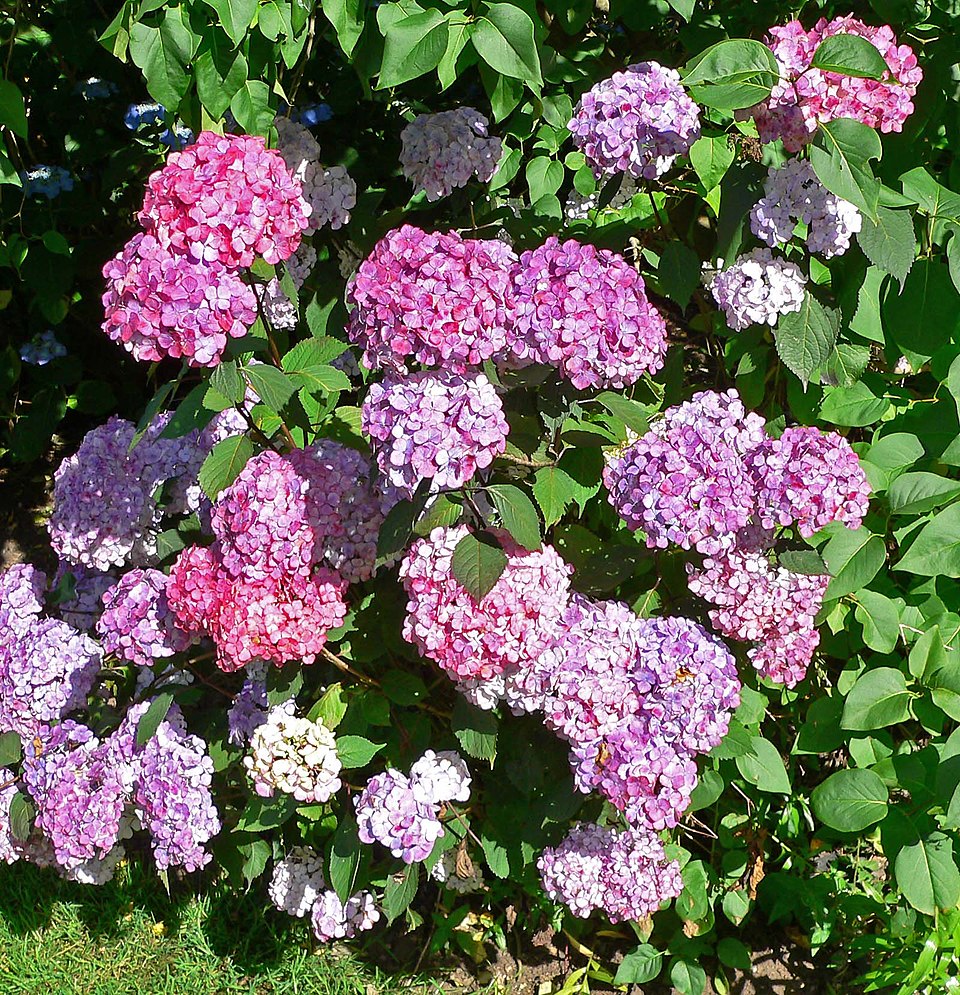
Hydrangea serrata 'Preziosa' is a compact rounded deciduous shrub reaching 3–5 feet (0.9–1.5 m) tall with a spread of 3–4 feet (0.9–1.2 m). The cultivar is distinguished by its color-changing mophead flowers and its purple-tinted foliage and stems—two independent ornamental features that run together across the growing season. Small rounded flower clusters 3–5 inches (8–13 cm) across open pale cream-green, transition through pale pink to deep rose-red, and age to burgundy-wine across the bloom window in a progressive four-stage color shift. The color progression runs independently of soil pH, unlike the pink-to-blue pH-driven shift typical of H. macrophylla cultivars—soil chemistry does not alter the 'Preziosa' color sequence, which simplifies soil management for gardens where the cultivar is grown for its color evolution. Young stems and leaf petioles emerge dark purple-red and retain the purple pigmentation through the growing season; new spring foliage emerges with a purple-bronze tint that matures to dark green with persistent purple-red venation. Broadly ovate leaves 3–5 inches (8–13 cm) long carry the purple-tinted character across the full season. Bloom occurs on old wood. Growth rate is moderate. Hardy to zone 6.
Native Range
Hydrangea serrata is native to Japan and Korea, growing in cool moist mountain woodlands at higher elevations than the sea-level H. macrophylla. 'Preziosa' is a hybrid cultivar, likely involving H. serrata and H. macrophylla in its parentage based on morphological characteristics that combine traits of both species; the cultivar was introduced through European horticultural trade in the mid-20th century and has since been propagated widely in specialist nursery commerce across Europe, the UK, and North America.Suggested Uses
Planted in borders and containers of at least 5 gallons (19 L) at 3–4 foot (0.9–1.2 m) spacing in zone-6-and-warmer gardens. The progressive color change (cream through pink through rose-red to burgundy-wine) supplies an evolving display across summer and early fall that carries more sustained ornamental interest than single-color hydrangeas which hold one color through bloom and fade. Purple-tinted stems and foliage continue the ornamental value when the shrub is out of flower. No pH management is required for the color progression. Late spring frost on old-wood flower buds eliminates bloom in some years. Full sun, dry soils, and zones below 6 are poor fits for the cultivar.How to Identify
Appearance
Size & Dimensions
Height3' - 5'
Width/Spread3' - 4'
Bloom Information
Small mophead clusters 3–5 inches (8–13 cm) across open cream-green in June, shift to pale pink in mid-to-late June, deepen to rose-red through July and early August, and age to burgundy-wine by late August through September. The full four-stage progression takes 8–12 weeks across the bloom window and runs independently of soil pH, unlike the aluminum-sensitive pink-to-blue shift typical of other hydrangeas. Bloom occurs on old wood.
Detailed Descriptions
Flower Description
Four-stage progression: cream-green to pale pink to rose-red to burgundy-wine; mophead 3-5 inches; color not pH-dependentFoliage Description
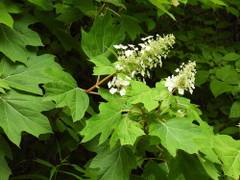
Dark green with purple-red veining; new growth purple-bronze tinted; dark purple stems and petioles; 3-5 inchesGrowing Conditions
Sun Requirements
Requires 3-5 hours of direct sunlight daily
• Full Sun: 6+ hours of direct sunlight
• Partial Shade: 3-6 hours of direct sunlight
• Full Shade: Less than 3 hours of direct sunlight
Care & Maintenance
Care Guide
Partial shade in moist humus-rich well-drained soil matches the cultivar's cultivation needs. Hardy to zone 6 (−10°F / −23°C). The four-stage color progression runs regardless of soil pH, so no pH management or aluminum sulfate application is needed to drive the color shift—the cream-to-burgundy sequence appears in acidic, neutral, or alkaline soils alike. Purple-tinted stems and foliage add ornamental interest beyond the flower display, and the purple pigmentation runs strongest in bright indirect light positions where sun exposure drives anthocyanin production in the young tissue. Bloom on old wood means late spring frost after bud break eliminates the year's flowers in marginal zone-6 climates.Pruning
Pruning immediately after flowering (September) or alternatively in early spring after new growth confirms which wood survived winter removes dead wood and spent flower heads without compromising the coming year's buds. The naturally compact habit requires minimal shaping beyond removal of dead wood and fading flower heads. Hard pruning at other seasons removes the following year's flower buds and eliminates bloom.Pruning Schedule
Prune: March & September
fallearly spring
Container Growing
Suitable for container growing
Minimum container size: 5 gallons