Hydrangea, Genus, serrata, Species, 'Grayswood', Cultivar,
- Genus & species
- Cultivar
grayswood hydrangea
Species native to Japan and Korea (moist mountain woodlands); cultivar selected at Grayswood Hill, Surrey, England
Overview
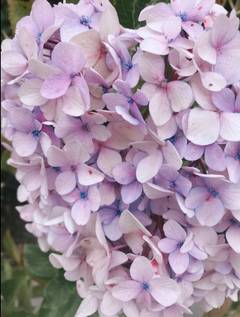
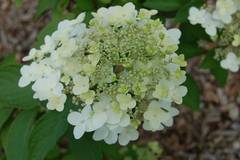
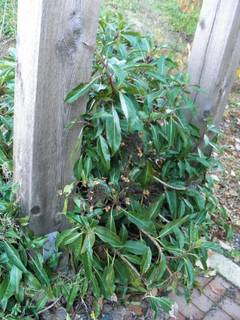
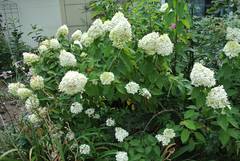
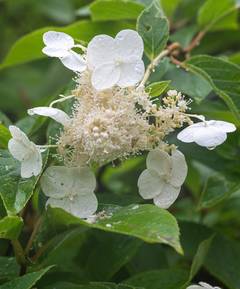
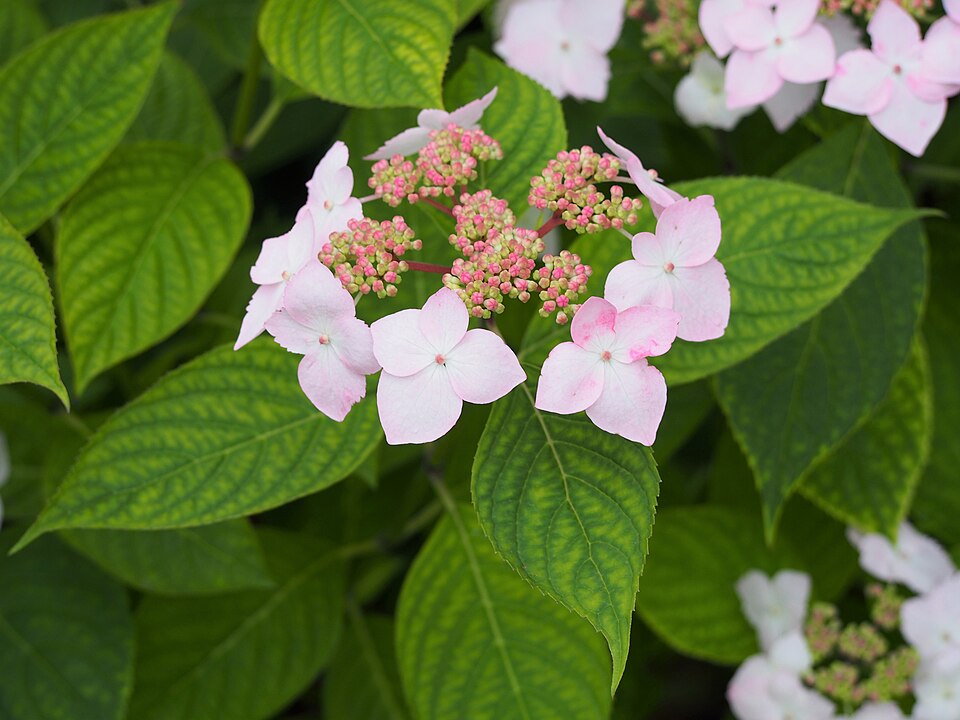
Hydrangea serrata 'Grayswood' is a compact, rounded, deciduous shrub reaching 3–5 feet (0.9–1.5 m) tall and 3–5 feet (0.9–1.5 m) wide. The cultivar shares the white-to-red ray aging pattern with H. serrata 'Beni-gaku' but carries the color cycle further, with rays reaching a deeper crimson-red in the final stage. The lacecap flower heads are 4–6 inches (10–15 cm) across; sterile ray florets open white, age through pale pink and rose, and finish deep crimson-red by the end of the bloom period in August. Fertile center florets are blue in acidic soil and pink in alkaline soil. The deepest red coloring develops in August, producing a late-summer display distinct in color from the white phase of June. Dark green, narrowly ovate, serrated leaves are 3–5 inches (8–13 cm) long and turn red-purple in fall. Named after Grayswood Hill, a garden in Surrey, England, where the cultivar was selected. Flower buds form on old wood. Growth rate is moderate. Hardy in USDA zones 6–9. The old-wood bloom habit is vulnerable to late spring frost damage, and the deepest final-stage red develops only in partial shade with consistent moisture.
Native Range
The species Hydrangea serrata is native to Japan and Korea, in moist mountain woodlands. 'Grayswood' was selected at Grayswood Hill, a garden in Surrey, England.Suggested Uses
Planted in partial-shade borders, woodland gardens, and containers of 5 gallons (19 L) or larger at 3–5 foot (0.9–1.5 m) spacing. The white-through-crimson ray color cycle supplies an evolving flower display through June–August, and the August crimson stage pairs with late-summer perennials such as Anemone × hybrida and Sedum in a shaded border. The cultivar was selected at a historic English garden and suits heritage or woodland plantings. Late spring frost can reduce or eliminate the flower display for a season, and the cultivar is not suited to full sun, dry soils, or USDA zones below 6.How to Identify
Appearance
Size & Dimensions
Height3' - 5'
Width/Spread3' - 5'
Bloom Information
Produces lacecap flower heads 4–6 inches (10–15 cm) across from June through August. Sterile ray florets progress from white through pale pink and rose to deep crimson-red over the bloom period, with the deepest red developing in August. Fertile center florets are blue in acidic soil and pink in alkaline soil, giving a two-color effect at peak. Flower buds form on old wood. Bloom duration is 6–8 weeks.
Detailed Descriptions
Flower Description
Lacecap: sterile rays progress white → pale pink → rose → deep crimson-red; fertile center blue (acid) or pink (alkaline); head 4–6 inches (10–15 cm) acrossFoliage Description
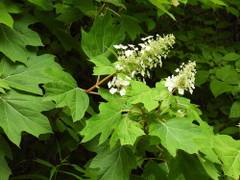
Dark green, narrowly ovate, serrated; 3–5 inches (8–13 cm) long; fall color red-purpleGrowing Conditions
Sun Requirements
Requires 3-5 hours of direct sunlight daily
• Full Sun: 6+ hours of direct sunlight
• Partial Shade: 3-6 hours of direct sunlight
• Full Shade: Less than 3 hours of direct sunlight
Care & Maintenance
Care Guide
Plant in partial shade in moist, humus-rich, well-drained loam at pH 5.0–7.0. Hardy in USDA zones 6–9. Soil pH controls the fertile-center color (blue in acidic soil, pink in alkaline) but does not affect the white-to-red ray aging progression. The deepest crimson-red in the final ray stage develops in partial shade with consistent moisture; direct hot afternoon sun and dry conditions can bleach the red stage toward pink. Flower buds form on old wood, so a sheltered position away from morning sun and exposed frost pockets protects overwintered stems.Pruning
Prune in late August or September after the crimson-red ray stage has peaked, cutting spent heads back to the next pair of healthy buds. Remove dead or winter-damaged wood in early spring. Hard cutbacks remove flower buds for the following year and are not used on old-wood bloomers.Pruning Schedule
Prune: September
fall
Container Growing
Suitable for container growing
Minimum container size: 5 gallons